
Home energy management systems explained is a topic gaining traction as more homeowners seek smarter, more efficient ways to monitor and control their household energy use. With rising energy costs and growing awareness of environmental impacts, the ability to centrally manage energy consumption is no longer just a luxury—it’s becoming a necessity for anyone aiming for a sustainable and cost-effective home.
Understanding how these systems work, what benefits they offer, and how to integrate them into your living space can make a significant difference in both your utility bills and your carbon footprint. Whether you’re building a new house, retrofitting an older property, or simply curious about the latest in smart home technology, this guide will break down the essentials of centralized energy management and why it matters.
For those interested in pushing energy efficiency even further, exploring energy monitoring net-zero homes can provide deeper insights into tracking and optimizing energy usage for a truly sustainable lifestyle.
What Is Centralized Home Energy Management?
Centralized home energy management refers to the use of integrated systems and technologies that allow homeowners to monitor, control, and optimize their energy consumption from a single platform. These solutions typically connect various devices—such as thermostats, lighting, appliances, and solar panels—into one interface, providing real-time data and automation capabilities.
Unlike traditional setups where each device operates independently, centralized control brings everything together. This unified approach not only enhances convenience but also enables smarter decisions about when and how energy is used throughout the home.
Key Components of a Modern Energy Management System
A comprehensive energy management solution consists of several core elements, each playing a vital role in delivering centralized oversight and control:
- Smart Meters: These devices track electricity usage in real time, providing detailed feedback on consumption patterns.
- Central Control Hub: The “brain” of the system, often accessible via a smartphone app or web dashboard, where users can view data and adjust settings.
- Connected Devices: Smart thermostats, lighting, appliances, and even EV chargers that can be scheduled or automated for optimal efficiency.
- Energy Monitoring Sensors: Additional sensors can monitor specific circuits or appliances, identifying energy hogs and inefficiencies.
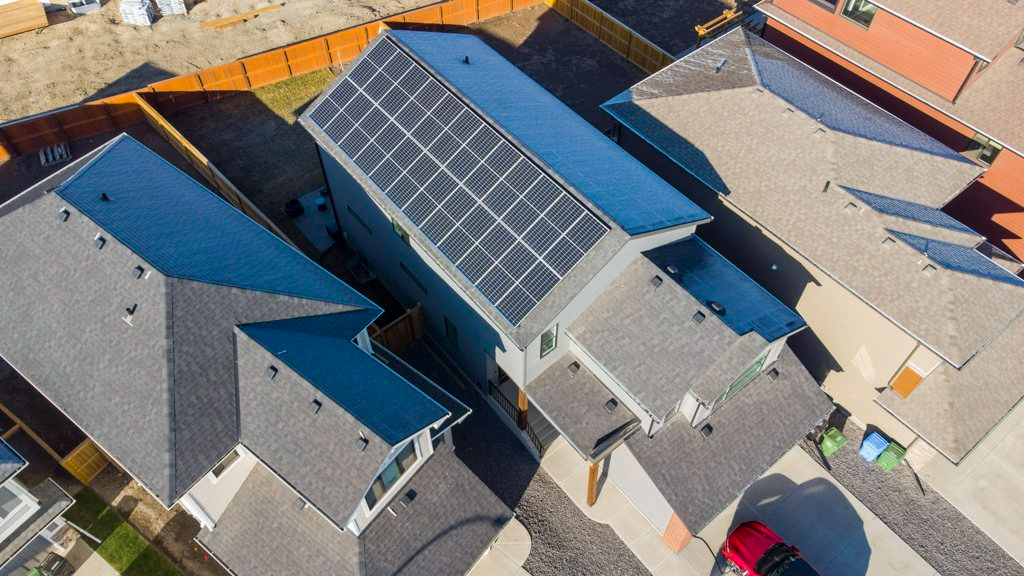
- Integration with Renewables: Many systems support solar panels or battery storage, allowing homeowners to maximize self-generated energy.
How Centralized Control Improves Efficiency
With all devices and systems communicating through a single platform, homeowners gain the ability to automate routines, set schedules, and receive alerts when unusual patterns are detected. For example, a centralized setup can automatically lower the thermostat and turn off unnecessary lights when no one is home, or shift high-energy tasks to off-peak hours to save on utility rates.
This level of control not only reduces waste but also extends the lifespan of appliances and systems by preventing overuse. In homes aiming for net-zero energy, integrating centralized management is a foundational step toward achieving ambitious sustainability goals.
Benefits of Integrated Energy Management
Adopting a unified approach to household energy offers a range of practical advantages:
- Lower Utility Bills: Real-time monitoring and automation help eliminate unnecessary consumption, leading to direct cost savings.
- Environmental Impact: Optimizing usage reduces carbon emissions and supports a more sustainable lifestyle.
- Convenience: Centralized control means less time spent manually adjusting devices and more time enjoying your home.
- Increased Home Value: Smart, energy-efficient homes are increasingly attractive to buyers and can command higher resale prices.
- Enhanced Comfort: Automated climate and lighting controls ensure your living environment is always just right.
For those interested in the intersection of technology and sustainability, exploring smart home technology net-zero homes can provide further insights into how integrated solutions are shaping the future of residential living.
Choosing the Right System for Your Home
Selecting the best centralized management solution depends on your home’s size, existing infrastructure, and your specific energy goals. Here are a few factors to consider:
- Compatibility: Ensure the system supports the devices and appliances you already own or plan to install.
- Scalability: Look for platforms that can grow with your needs, accommodating future upgrades or additional devices.
- User Interface: A clear, intuitive dashboard makes it easier to monitor and control your energy use.
- Integration with Renewables: If you have solar panels or battery storage, choose a system that can seamlessly manage these resources.
- Support and Updates: Reliable customer support and regular software updates are essential for long-term satisfaction.
Many homeowners find value in consulting with professionals who specialize in sustainable construction, such as those experienced in net-zero home building, to ensure the chosen system aligns with broader efficiency and sustainability goals.
Installation and Integration Tips
While some energy management platforms are designed for DIY installation, more advanced setups may require professional assistance. Here are some tips for a smooth integration:
- Start with an energy audit to identify major sources of consumption and potential savings.
- Prioritize devices and circuits that offer the greatest impact, such as HVAC, water heating, and major appliances.
- Ensure your Wi-Fi network is robust enough to support all connected devices without interruptions.
- Regularly review system data to fine-tune schedules and automation rules for maximum efficiency.
- Stay informed about new features and updates to keep your system running optimally.
For those embarking on new construction or major renovations, integrating centralized management from the outset can streamline the process and maximize long-term benefits. Resources like construction timeline net-zero homes offer valuable guidance on planning and implementation.
Common Challenges and How to Overcome Them
While the advantages of centralized energy management are clear, homeowners may encounter a few hurdles along the way:
- Upfront Costs: Initial investment in hardware and installation can be significant, but long-term savings often offset these expenses.
- Complexity: Integrating multiple devices and platforms can be daunting. Opt for systems with strong customer support and clear documentation.
- Data Privacy: As with any connected technology, ensure your system uses robust security protocols to protect your information.
- Device Compatibility: Not all smart devices play well together. Research compatibility before purchasing new hardware.
By planning ahead and working with reputable providers, most of these challenges can be effectively managed, ensuring a smooth transition to a smarter, more efficient home.
FAQ: Centralized Home Energy Management
What types of devices can be controlled with a centralized energy management system?
Most modern systems can manage smart thermostats, lighting, major appliances, water heaters, solar panels, battery storage, and even electric vehicle chargers. The key is ensuring all devices are compatible with your chosen platform.
Is it possible to retrofit an older home with centralized energy management?
Yes, many solutions are designed for easy integration into existing homes. Wireless sensors and smart plugs can often be added without major renovations, making it feasible to upgrade older properties.
How much can I expect to save on my energy bills?
Savings vary depending on your home’s size, local energy rates, and how actively you use the system. However, many homeowners report reductions of 10–30% on their utility bills after implementing centralized management and automation.
Are these systems compatible with renewable energy sources?
Absolutely. Many platforms are designed to work seamlessly with solar panels, battery storage, and other renewable technologies, helping you maximize the use of self-generated energy and further reduce reliance on the grid.
Conclusion
Centralized control is transforming the way homeowners approach energy efficiency and sustainability. By integrating smart devices, real-time monitoring, and automation, these systems empower you to take charge of your household energy use—saving money, reducing environmental impact, and enhancing comfort. As technology continues to advance, the possibilities for smarter, greener living will only expand.