
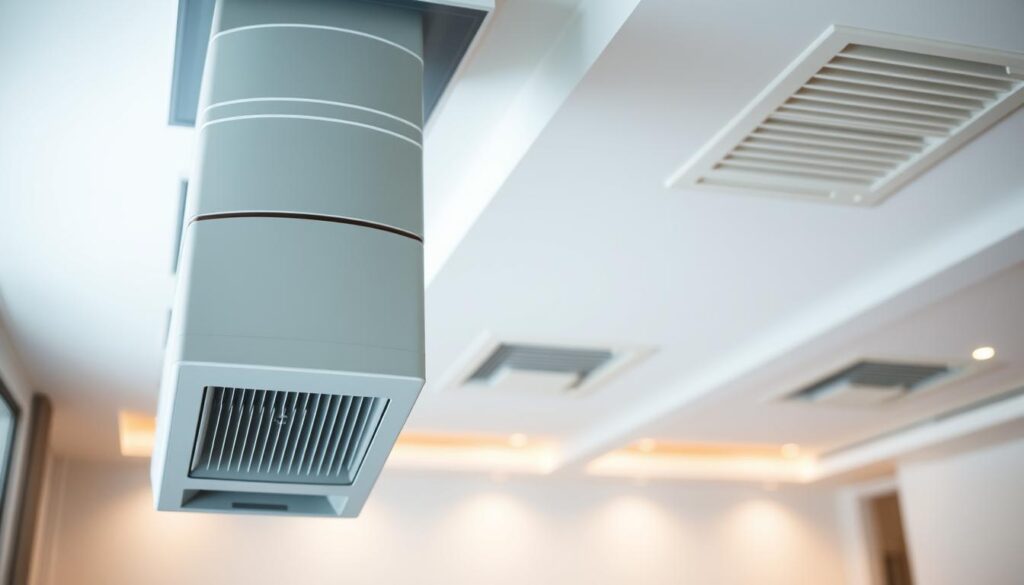

Experiencing rooms that are too hot in summer or too cold in winter? Uneven airflow is a common issue in homes and buildings, leading to discomfort and inefficient energy use. Addressing this problem not only improves comfort but can also help lower utility bills and extend the life of your HVAC system. In this guide, you’ll learn practical steps and proven methods to balance air distribution throughout your space.
Tackling inconsistent air movement can involve simple DIY checks or more involved solutions, depending on the root cause. Whether you’re dealing with blocked vents, leaky ducts, or improper system sizing, understanding the basics of air circulation is the first step toward a more comfortable home. For those interested in broader home improvement topics, you might also find value in exploring kitchen remodeling visual balance tips for harmonious design.
Common Causes of Inconsistent Air Distribution
Before you can resolve airflow issues, it’s important to identify what’s causing them. Here are some of the most frequent culprits:
- Blocked or closed vents – Furniture, curtains, or dust can obstruct vents, restricting air movement.
- Leaky or poorly insulated ducts – Gaps or holes in ductwork allow conditioned air to escape before reaching its destination.
- Improperly sized HVAC system – An oversized or undersized system can lead to uneven temperatures and poor circulation.
- Dirty air filters – Clogged filters reduce airflow throughout the entire system.
- Poor system balancing – If dampers are not adjusted correctly, some rooms may receive more air than others.
Step-by-Step Solutions for Balancing Airflow
Addressing uneven air movement starts with a systematic approach. Follow these steps to diagnose and fix the problem:
1. Inspect and Clear All Vents
Walk through your home and check every supply and return vent. Make sure each one is open and unobstructed by furniture, rugs, or drapes. Even partial blockages can significantly reduce the amount of air reaching a room.

2. Replace or Clean Air Filters
Dirty filters are a leading cause of restricted airflow. Check your HVAC filter at least every three months, or more often if you have pets or allergies. Replace disposable filters or clean reusable ones according to the manufacturer’s instructions.
3. Seal and Insulate Ductwork
Leaky ducts can waste up to 30% of conditioned air. Inspect accessible ductwork for visible holes, gaps, or disconnected sections. Use mastic sealant or metal tape to seal leaks, and add insulation to ducts running through unconditioned spaces like attics or crawl spaces.
4. Adjust Dampers and Registers
Many duct systems have manual dampers—metal levers or screws on the ducts—that control airflow to different zones. Adjust these to increase or decrease flow to specific rooms. Similarly, you can partially close supply registers in rooms that receive too much air, but avoid closing them completely, as this can cause pressure imbalances.
5. Consider System Upgrades or Add-Ons
If your HVAC system is old, improperly sized, or unable to keep up with demand, it may be time for an upgrade. Zoning systems, variable-speed blowers, or adding return vents can all help balance air distribution. For more information on how ventilation systems work, see this detailed guide to home ventilation systems.
Advanced Tips for Persistent Airflow Problems
If you’ve tried the basic steps above and still notice uneven temperatures or weak airflow, consider these advanced strategies:
- Install a whole-house fan to boost circulation and help equalize temperatures between floors.
- Add or upgrade return air vents in rooms that feel stuffy or have stagnant air.
- Use ceiling fans to help distribute conditioned air more evenly, especially in larger rooms or open floor plans.
- Consult an HVAC professional for a comprehensive system evaluation, especially if your home has unique architectural features or recent renovations.
Preventing Future Airflow Issues
Regular maintenance is key to keeping your HVAC system running efficiently and your home’s air distribution balanced. Here are some best practices:
- Schedule professional HVAC inspections and tune-ups at least once a year.
- Change or clean filters regularly to prevent blockages.
- Keep vents and registers clear of obstructions at all times.
- Monitor for signs of duct leaks, such as whistling noises or visible dust near seams.
- Consider periodic duct cleaning if you notice excessive dust or allergy symptoms.
FAQ: Addressing Uneven Airflow in Your Home
Why are some rooms in my house always hotter or colder than others?
This is often due to blocked vents, leaky ducts, or poor system balancing. Rooms farthest from the HVAC unit or with more windows may also experience temperature differences. Checking for obstructions and ensuring proper duct sealing can help.
Can I fix airflow problems myself, or do I need a professional?
Many issues, such as replacing filters or clearing vents, can be handled by homeowners. However, if you suspect duct leaks, improper system sizing, or need to adjust dampers, consulting a licensed HVAC technician is recommended for safety and effectiveness.
How often should I replace my HVAC air filter?
It’s best to check your filter every 1–3 months, depending on usage, pets, and allergies. A clean filter ensures optimal airflow and helps prevent uneven air distribution.
What role does insulation play in airflow?
Proper insulation helps maintain consistent temperatures and reduces the workload on your HVAC system. Poorly insulated ducts or rooms can contribute to uneven temperatures and airflow problems.
Conclusion
Achieving balanced air distribution is essential for comfort and energy efficiency. By following the steps outlined above—clearing vents, maintaining filters, sealing ducts, and considering upgrades—you can resolve most airflow issues. For more in-depth information on related home improvement topics, explore resources like kitchen remodeling hardware style guide to enhance your living space further.
Remember, regular maintenance and timely upgrades are the keys to a comfortable, efficient home environment. If persistent problems remain, don’t hesitate to reach out to a qualified HVAC professional for expert advice.
