Designing energy-efficient homes is not only beneficial for the environment but also for the homeowners. A well-designed energy-efficient home can significantly reduce energy consumption, leading to lower utility bills. In this guide, we’ll explore the key strategies and principles involved in creating such homes.
Before we delve into the specifics, it’s worth noting that the principles of energy-efficient design apply to all types of homes, regardless of their size or location. Whether you’re planning a new build or a retrofit, these principles can guide your decisions and help you achieve your energy efficiency goals. For more in-depth information on retrofitting existing homes for energy efficiency, you might want to check out our Passive House Retrofit Guide.
Key Principles for Energy-Efficient Home Design
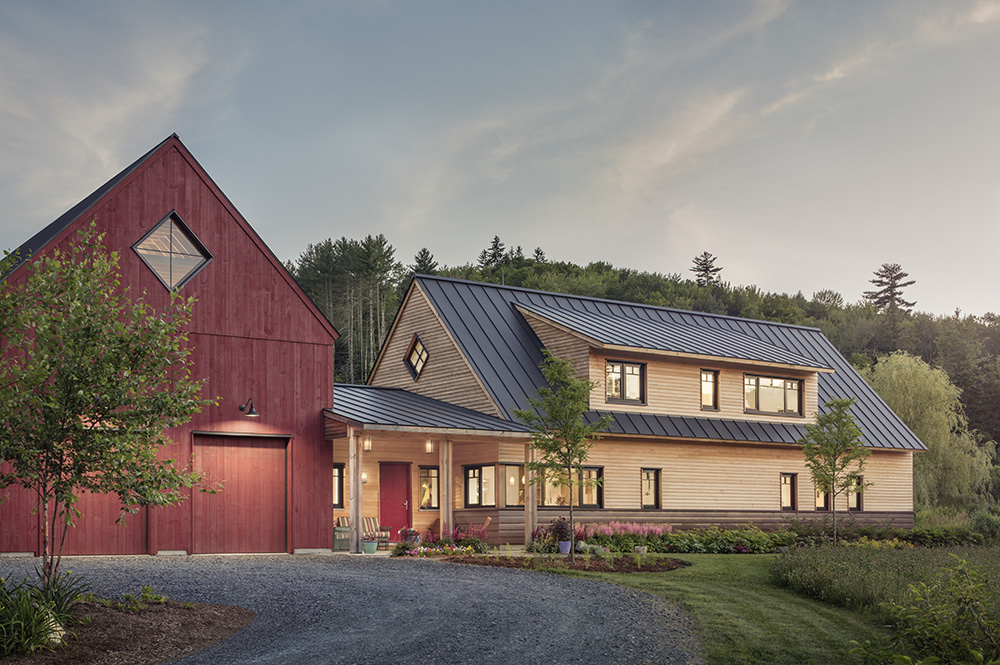
There are several key principles to consider when designing energy-efficient homes. These include optimizing the home’s orientation and layout for passive solar gain, selecting energy-efficient appliances and systems, and ensuring the home is well-insulated and air-tight. You can find a detailed discussion of these principles in this comprehensive guide to passive design strategies.
Implementing Energy-Efficient Features
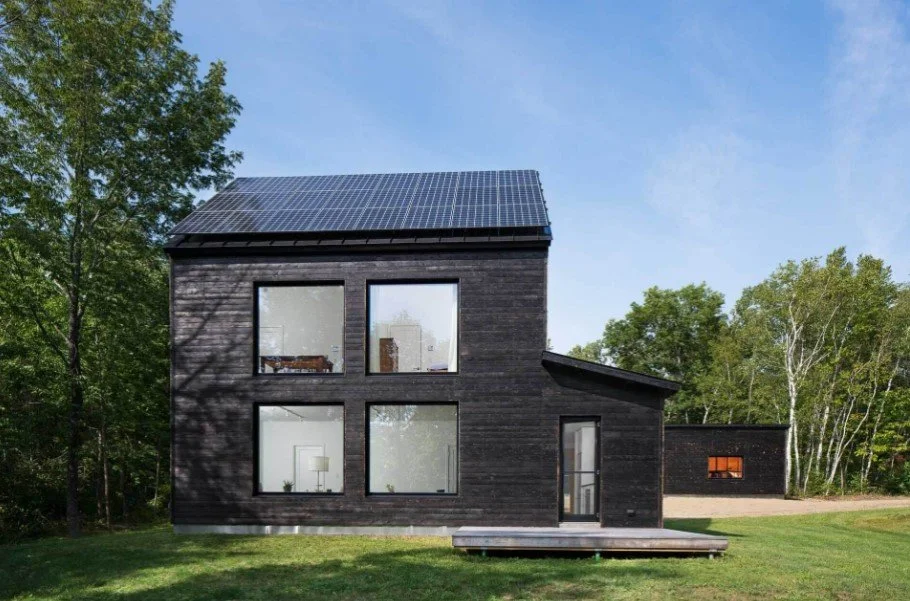
Once you have a solid understanding of the principles of energy-efficient design, the next step is to implement these principles in your home design. This might involve installing energy-efficient appliances, using high-quality insulation, and incorporating renewable energy systems such as solar panels.
As you plan your energy-efficient home, consider how you can install a solar Ring camera for added security and efficiency. Additionally, you might want to plan for off-grid power to further reduce your reliance on traditional energy sources.
Designing an energy-efficient home can be a complex process, but the benefits are well worth the effort. With careful planning and implementation, you can create a home that is comfortable, sustainable, and cost-effective.