

The drive toward sustainability is reshaping how we live, and nowhere is this more evident than in the evolution of connected home net-zero systems. These integrated solutions combine smart technology, renewable energy, and efficient design to create homes that produce as much energy as they consume. The result is a living environment that is not only environmentally responsible but also comfortable and convenient for residents.
Modern sustainable homes leverage advanced automation, real-time energy monitoring, and interconnected devices to minimize waste and maximize efficiency. By adopting these systems, homeowners can significantly reduce their carbon footprint, lower utility bills, and enjoy greater control over their living spaces. For those interested in the technical underpinnings and practical benefits, resources like IoT in net-zero homes explained provide a deeper look at how these technologies work together.

What Are Connected Home Net-Zero Systems?
At their core, these systems are a combination of smart home technologies and sustainable building practices designed to achieve net-zero energy consumption. This means the home produces as much renewable energy as it uses over the course of a year. Achieving this balance requires a holistic approach, integrating energy-efficient appliances, solar panels, battery storage, and intelligent automation.
Key components typically include:
- Smart energy management platforms that monitor and optimize electricity usage in real time.
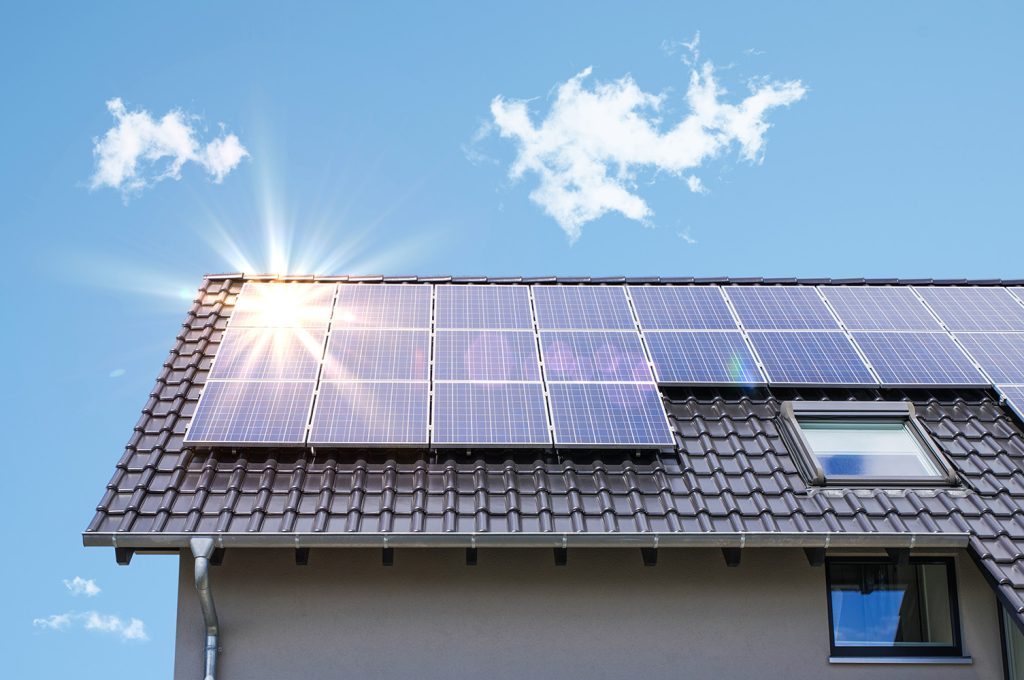
- Renewable energy generation, such as rooftop solar or wind turbines.
- Advanced insulation and building envelopes to reduce heating and cooling losses.
- Automated lighting, HVAC, and water systems that respond to occupancy and environmental conditions.
- Connected appliances and devices that communicate to minimize energy waste.
By bringing these elements together, homeowners can achieve a seamless, sustainable living experience that aligns with both environmental goals and modern lifestyle expectations.
Key Technologies Powering Sustainable Smart Homes
The backbone of a net-zero smart home is its interconnected technology. These systems rely on a network of sensors, controllers, and cloud-based analytics to ensure every watt of energy is used efficiently. Here are some of the most impactful technologies:
- Energy Monitoring and Analytics: Real-time tracking of electricity consumption allows for immediate feedback and actionable insights. For a deeper dive, see energy monitoring net-zero homes.
- Smart Thermostats and HVAC Controls: These devices learn user habits and adjust heating and cooling automatically, reducing unnecessary energy use.
- Automated Lighting: Motion sensors and daylight harvesting systems ensure lights are only on when needed.
- Renewable Integration: Solar inverters, battery storage, and grid-tied systems work together to balance energy supply and demand.
- Home Automation Platforms: Centralized hubs connect all devices, enabling coordinated responses to changes in occupancy, weather, or energy prices. Explore more about automation systems for net-zero houses.
These technologies not only reduce energy consumption but also provide valuable data that can be used to further optimize performance over time.
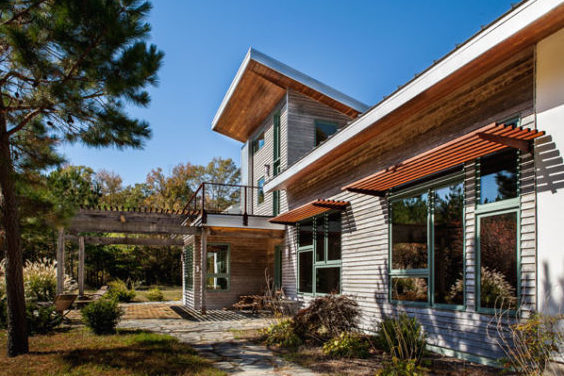
Benefits of Integrating Net-Zero Solutions at Home
Adopting a connected, net-zero approach brings a range of advantages for homeowners and the environment alike. Some of the most notable benefits include:
- Lower Utility Costs: By generating renewable energy and optimizing consumption, monthly bills can be dramatically reduced or even eliminated.
- Environmental Impact: Homes that achieve net-zero status contribute less to greenhouse gas emissions and help combat climate change.
- Enhanced Comfort and Health: Automated climate control, improved air quality, and consistent temperatures create a healthier indoor environment.
- Increased Property Value: Sustainable features and smart technology are increasingly attractive to buyers, boosting resale potential.
- Energy Independence: With on-site generation and storage, homeowners are less vulnerable to grid outages and price fluctuations.
For those considering a new build or renovation, exploring net-zero energy home designs can provide inspiration and practical guidance on implementing these strategies.
Design Strategies for Seamless Sustainable Living
Creating a truly efficient home requires more than just adding solar panels or smart devices. It’s about designing a system where every component works together for maximum impact. Here are some best practices:
- Passive Design: Orienting the building to maximize natural light and ventilation reduces reliance on mechanical systems.
- High-Performance Envelope: Superior insulation, airtight construction, and energy-efficient windows minimize heat loss and gain.
- Integrated Controls: Centralized management of lighting, HVAC, and appliances ensures all systems operate in harmony.
- Data-Driven Optimization: Continuous monitoring and analytics allow for ongoing improvements and adaptation to user habits.
For a closer look at how artificial intelligence is shaping these solutions, see AI energy optimization net-zero homes.
Challenges and Considerations for Homeowners
While the benefits are substantial, transitioning to a fully integrated, net-zero home does come with challenges. Upfront costs for technology and renewable systems can be significant, though incentives and long-term savings often offset these expenses. Compatibility between devices and platforms is another consideration, as not all smart home products work seamlessly together.
Ongoing maintenance and software updates are essential to keep systems running smoothly and securely. Homeowners should also be mindful of data privacy, as connected devices collect and transmit information about household activities. Partnering with experienced professionals and choosing reputable brands can help navigate these complexities.
For those interested in exploring the latest in smart home integration, smart home technology net-zero homes offers practical insights and solution comparisons.
Future Trends in Net-Zero Living
The landscape of sustainable home technology is rapidly evolving. Emerging trends include:
- AI-Driven Optimization: Artificial intelligence is increasingly used to predict energy needs and automate responses for even greater efficiency.
- Vehicle-to-Home Integration: Electric vehicles can now serve as backup power sources, further enhancing energy independence.
- Community Microgrids: Neighborhoods are beginning to share renewable resources, balancing supply and demand across multiple homes.
- Advanced Materials: Innovations in insulation, windows, and building materials continue to push the boundaries of what’s possible.
As these technologies mature, the vision of truly sustainable, connected living becomes more accessible to homeowners everywhere.
FAQ
What does it mean for a home to be net-zero?
A net-zero home is designed to produce as much renewable energy as it consumes over the course of a year. This is achieved through a combination of energy-efficient construction, smart technology, and on-site renewable energy generation, such as solar panels.
How do connected systems improve energy efficiency?
Connected home systems use sensors, automation, and analytics to monitor and control energy use in real time. By optimizing heating, cooling, lighting, and appliance operation, these systems minimize waste and ensure that energy is only used when necessary.
Are net-zero homes more expensive to build?
The initial investment for a net-zero home can be higher due to advanced materials and integrated technology. However, the long-term savings on energy bills, potential tax incentives, and increased property value often make it a financially sound choice over time.

