
Resilience off-grid living is more than just a lifestyle choice—it’s a commitment to self-sufficiency, adaptability, and thriving in any environment. Whether you’re seeking independence from public utilities, preparing for emergencies, or simply wanting a closer connection to nature, building resilience in remote or rural settings requires careful planning and a willingness to learn new skills. This article explores the core principles, practical strategies, and essential tools that empower individuals and families to not just survive, but truly flourish while living off the grid.
From energy independence and water security to food production and community connections, each aspect of resilient off-grid life presents unique challenges and rewards. If you’re considering a move toward greater self-reliance, or looking to optimize your current setup, you’ll find actionable advice and resources here. For those interested in related home improvement topics, you might also explore kitchen remodeling symmetry vs asymmetry design for design inspiration that complements resilient living spaces.
Understanding the Foundations of Resilient Off-Grid Living
At its core, resilience off-grid living is about creating systems that can withstand disruptions—be they environmental, economic, or social. This means developing the ability to generate your own power, secure clean water, produce food, and maintain comfort and safety without relying on centralized infrastructure. The journey begins with assessing your needs, resources, and the unique characteristics of your land or chosen location.
Key elements to consider include:
- Energy independence: Solar, wind, and micro-hydro systems are popular choices for generating electricity. Battery storage and backup generators add further security.
- Water sourcing and purification: Wells, rainwater catchment, and filtration systems ensure a reliable supply of potable water.
- Food production: Gardening, raising livestock, and preserving food are essential skills for long-term sustainability.
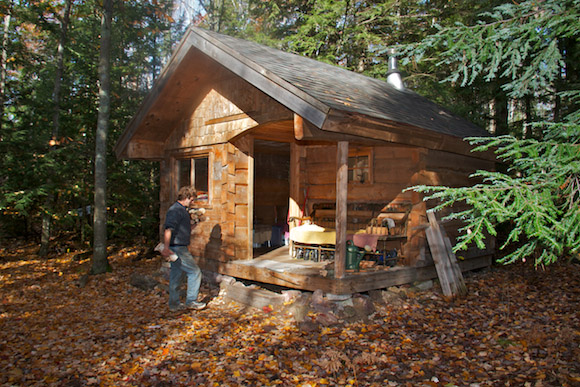
- Shelter and comfort: Efficient insulation, passive solar design, and appropriate appliances make daily life more comfortable and reduce energy needs.
Energy Solutions for Off-Grid Resilience
Reliable energy is a cornerstone of any resilient homestead. Most off-grid setups rely on a combination of renewable sources and smart energy management. Solar panels are the most common, but wind turbines and micro-hydro systems can supplement solar in areas with suitable conditions. Investing in high-quality batteries allows you to store excess power for cloudy days or nighttime use.
When selecting appliances, prioritize those designed for low energy consumption. For example, propane or wood-burning stoves, LED lighting, and efficient refrigerators can dramatically reduce your daily power requirements. For a closer look at appliance options and energy-efficient living, check out this comprehensive guide to off-grid energy solutions.

Water Security: Sourcing, Storage, and Conservation
Water is essential for survival and comfort. Off-grid properties often depend on wells, springs, or rainwater catchment systems. It’s important to test water quality regularly and have multiple purification methods available, such as ceramic filters, UV purifiers, or boiling. Storing water in food-grade containers or cisterns provides a buffer during dry spells or system maintenance.
Conserving water is equally important. Low-flow fixtures, composting toilets, and greywater recycling systems can reduce usage and extend your supply. Planning your garden and landscaping with drought-resistant plants also helps minimize water needs.
Food Production and Self-Sufficiency
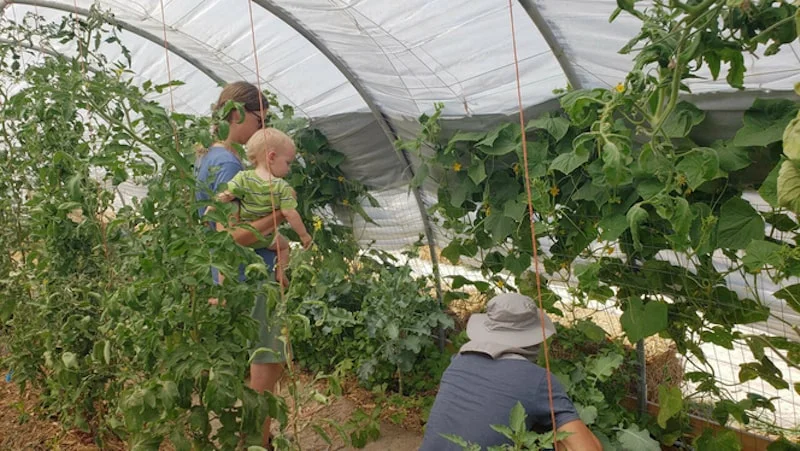
Growing your own food is a rewarding and practical way to boost resilience. Raised beds, permaculture gardens, and greenhouses extend the growing season and protect crops from pests and harsh weather. Chickens, goats, or rabbits can provide eggs, milk, and meat, while also contributing to soil fertility through manure.
Preserving the harvest—by canning, drying, or fermenting—ensures a year-round supply of nutritious food. Investing in quality tools and learning traditional skills like seed saving and composting further strengthens your ability to adapt to changing conditions.

Building Community and Sharing Knowledge
While self-reliance is a key goal, no one truly thrives in isolation. Building relationships with neighbors, local farmers, and like-minded individuals can provide support, resources, and a sense of belonging. Bartering, sharing tools, and exchanging knowledge make rural living more enjoyable and sustainable.
Online forums, local workshops, and community events are excellent places to learn new skills and troubleshoot challenges. Sharing your own experiences can inspire others and help build a resilient network that benefits everyone.
Designing for Comfort and Efficiency
Creating a comfortable, efficient living space is essential for long-term satisfaction. Passive solar design, high-quality insulation, and strategic window placement can keep your home warm in winter and cool in summer, reducing the need for mechanical heating or cooling. Choosing durable, low-maintenance materials and furnishings ensures your home stands up to the demands of off-grid life.
For those interested in optimizing small spaces, consider exploring kitchen remodeling space optimization tips to make the most of every square foot in your off-grid home.
Overcoming Challenges and Staying Adaptable
Living off the grid comes with unique challenges, from unpredictable weather to equipment failures. The key to overcoming these obstacles is adaptability—being willing to learn, experiment, and adjust your systems as needed. Keeping a well-stocked toolkit, maintaining backup supplies, and regularly inspecting your infrastructure can prevent small issues from becoming major problems.
Documenting your successes and setbacks helps you refine your approach over time. Remember, resilience is not about perfection, but about continual improvement and resourcefulness.
Frequently Asked Questions
What are the most important skills for resilient off-grid living?
Essential skills include basic carpentry, gardening, animal husbandry, food preservation, and troubleshooting electrical and plumbing systems. The ability to adapt and learn new skills as challenges arise is equally important.
How much land do I need to live off the grid sustainably?
The amount of land required depends on your goals, family size, and chosen lifestyle. Many people find that 1–5 acres is sufficient for a productive garden, small livestock, and comfortable living, but some thrive on less with intensive planning and efficient use of space.
Can I transition to off-grid living gradually?
Yes, many people start by adding solar panels, rainwater catchment, or a garden to their existing home before making a full transition. Gradual changes allow you to build skills, test systems, and spread out costs over time.
Conclusion
Embracing resilience off-grid living means more than just disconnecting from public utilities—it’s about building a life that can adapt, endure, and flourish no matter what comes your way. By focusing on energy independence, water security, food production, and community, you lay the groundwork for a rewarding and sustainable lifestyle. Whether you’re just starting out or looking to enhance your current setup, the journey toward greater resilience is one of continual learning and growth.