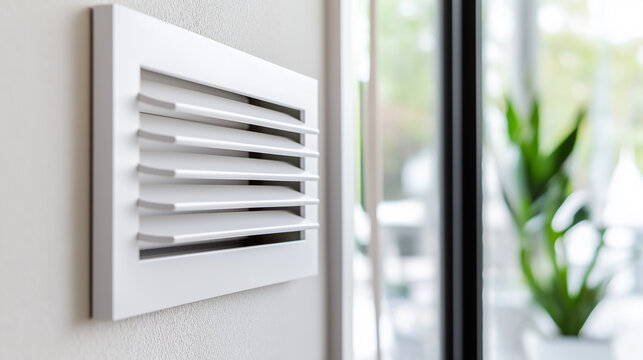
Maintaining a comfortable indoor temperature while ensuring good air quality is a challenge for many homeowners, especially during colder months. Heat recovery ventilation (HRV) systems are increasingly recognized for their ability to balance fresh air intake with energy efficiency. Understanding how HRV improves heat retention can help you make informed decisions about your home’s ventilation and heating strategy.
HRV technology is designed to recover heat from outgoing stale air and transfer it to incoming fresh air, reducing the amount of energy needed to keep your living space warm. This process not only saves on heating costs but also supports a healthier indoor environment by continuously exchanging air without significant heat loss. If you’re considering ways to optimize your home’s comfort and efficiency, exploring the benefits of HRV could be a smart step.
For those interested in broader home improvement strategies, you might also find inspiration in kitchen remodeling texture design ideas to add visual interest and value to your space.
The Basics of Heat Recovery Ventilation
At its core, a heat recovery ventilator is a mechanical system that exchanges stale indoor air with fresh outdoor air while minimizing heat loss. The main component is a heat exchanger, which allows the outgoing warm air to transfer its heat to the incoming cold air without the two air streams mixing directly. This process is key to retaining warmth inside the building envelope, especially in energy-efficient homes that are tightly sealed against drafts.
By ensuring that the majority of heat from exhaust air is recaptured, HRV systems help maintain a stable indoor temperature. This is particularly valuable in climates where heating costs are a significant concern. The result is a more consistent and comfortable environment, with less reliance on your primary heating system.
How HRV Improves Heat Retention in Modern Homes
One of the primary advantages of HRV technology is its ability to reduce heat loss during ventilation. Traditional ventilation methods, such as opening windows or using exhaust fans, allow warm indoor air to escape and cold outdoor air to enter, leading to increased heating demands. HRV systems, on the other hand, use a counterflow heat exchanger to capture up to 70-90% of the heat from outgoing air and transfer it to incoming air.
This process ensures that your home remains warm and energy-efficient, even as you maintain healthy air quality. The system works continuously, so you don’t have to choose between fresh air and heat retention. In addition, HRVs can help control humidity levels, reducing condensation and the risk of mold growth.

Key Components That Support Energy Efficiency
To understand why HRV systems are effective at preserving indoor heat, it’s helpful to look at their main components:
- Heat Exchanger Core: This is where the actual heat transfer takes place. The core is designed to maximize surface area so that as much heat as possible is transferred from outgoing to incoming air.
- Fans: Two fans operate simultaneously—one drawing in fresh air and the other expelling stale air. Their balanced operation is crucial for maintaining pressure and airflow.
- Filters: These remove dust, pollen, and other particulates from the incoming air, improving indoor air quality without sacrificing heat retention.
- Controls and Sensors: Modern HRVs often include humidity and temperature sensors, allowing the system to adjust its operation for optimal comfort and efficiency.
By integrating these components, HRV units can deliver a steady supply of fresh air while keeping energy loss to a minimum. This is especially important in homes built to modern energy codes, where airtightness is prioritized.
Comparing HRV to Other Ventilation Methods
Traditional ventilation methods often compromise heat retention for the sake of fresh air. For example, exhaust fans remove indoor air but do not recover any of its heat, leading to higher heating bills. Opening windows is another common approach, but it can quickly cool down a room and make your heating system work harder.
In contrast, HRV systems offer a balanced approach. By recovering heat from outgoing air, they allow for continuous ventilation without the penalty of energy loss. This makes them a preferred choice for energy-conscious homeowners and those looking to reduce their environmental footprint.
For a deeper dive into the technical aspects of ventilation and air exchange, consider reviewing Daikin’s overview of ventilation technology, which explains the science behind efficient air movement and heat recovery.
Installation Considerations and Best Practices
Proper installation is essential for maximizing the benefits of an HRV system. Placement of the intake and exhaust vents, ductwork design, and system sizing all play a role in how effectively the unit can recover heat. It’s important to work with a qualified professional who understands both the mechanical and building science aspects of HRV technology.
Regular maintenance, including filter changes and cleaning the heat exchanger, will ensure that your system continues to operate efficiently. Many modern units include maintenance reminders and easy-access panels to simplify upkeep.

Additional Benefits Beyond Heat Retention
While the primary focus of HRV systems is to improve heat retention, they also offer several other advantages:
- Improved Air Quality: By continuously exchanging indoor and outdoor air, HRVs help remove pollutants, allergens, and excess moisture.
- Humidity Control: Proper ventilation helps maintain balanced humidity levels, reducing the risk of condensation on windows and walls.
- Reduced Heating Costs: By recovering heat that would otherwise be lost, HRV systems can lower your energy bills over time.
- Comfort: Consistent indoor temperatures and fresh air contribute to a more pleasant living environment.
These benefits make HRV systems a valuable addition to both new builds and retrofit projects, especially in regions with cold winters or where indoor air quality is a concern.
Integrating HRV with Other Home Improvements
Combining HRV technology with other energy-saving measures can further enhance your home’s comfort and efficiency. For example, upgrading insulation, sealing air leaks, and installing energy-efficient windows all complement the work of an HRV system. If you’re planning a renovation, consider integrating HRV installation with other upgrades for maximum impact.
For those interested in optimizing space and design, resources like kitchen remodeling space optimization tips can provide additional ideas for creating a more functional and comfortable home environment.
Frequently Asked Questions
How does an HRV system differ from a standard exhaust fan?
Unlike standard exhaust fans, which simply expel indoor air and bring in unconditioned outdoor air, HRV systems recover heat from outgoing air and transfer it to incoming air. This process helps maintain indoor temperatures and reduces heating costs.
Can HRV systems be used in all types of homes?
HRV units are suitable for most residential buildings, especially those that are well-insulated and airtight. They are commonly used in new construction but can also be retrofitted into existing homes with proper planning and installation.
What maintenance is required for an HRV system?
Regular maintenance includes cleaning or replacing filters, inspecting the heat exchanger, and ensuring that vents are clear of obstructions. Most manufacturers recommend servicing the system every three to six months for optimal performance.