Starting a self-sufficient lifestyle away from municipal utilities is a dream for many, but the journey from idea to a fully functioning off-grid homestead can feel overwhelming. Understanding the typical off-grid homestead startup timeline helps beginners set realistic expectations, avoid common pitfalls, and plan each phase for success. This article breaks down the major milestones, from land selection to your first harvest, so you can confidently map out your path to independence.
Along the way, you’ll find practical tips, key considerations, and helpful resources to guide your decisions. If you’re also interested in optimizing your living spaces, you might find value in our kitchen remodeling space optimization tips for making the most of small interiors—an important skill for compact homestead cabins.
Initial Planning: Laying the Foundation for Your Homestead
Every successful off-grid journey starts with thorough research and clear goal-setting. Before purchasing land or materials, consider your long-term vision. Are you aiming for total self-sufficiency, or do you want a hybrid approach with some modern comforts? Your answers will shape your timeline and priorities.
- Budgeting: Factor in land costs, building materials, tools, and ongoing expenses for food, water, and energy systems.
- Skills Assessment: Identify gaps in your knowledge—such as carpentry, gardening, or solar installation—and plan for learning or outsourcing.
- Legal Considerations: Research local zoning laws, building codes, and water rights. Some regions restrict off-grid living or require specific permits.
Many new homesteaders benefit from reading guides like what to know before starting homesteading to avoid costly mistakes early on.
Land Selection and Site Preparation
Choosing the right property is a pivotal step in your off-grid homestead startup timeline. Look for land with reliable water sources, good sun exposure for solar power, and fertile soil for gardening. Accessibility, local climate, and proximity to supplies also play a role.
- Timeline: 1–6 months, depending on market conditions and your criteria.
- Tasks: Visit potential sites, test soil and water, check for flood risks, and confirm legal requirements.
- Site Prep: Clear access roads, mark building locations, and establish basic infrastructure like driveways or temporary shelters.

Building Shelter and Core Infrastructure
Once your land is ready, the next stage is constructing your primary shelter and essential systems. The type of dwelling—cabin, tiny house, yurt, or converted shed—affects both cost and build time. Prioritize weatherproofing and insulation to ensure year-round comfort.
- Timeline: 2–12 months, depending on complexity and DIY vs. contractor build.
- Key Systems: Off-grid power (solar, wind, or generator), water collection and filtration, septic or composting toilets, and basic heating/cooling.
- Temporary Solutions: Many start with RVs or tents while building permanent structures.
Remember to plan for storage, tool sheds, and animal shelters if you intend to keep livestock from the outset.
Establishing Food Production: Gardens and Livestock
Food self-reliance is a major milestone in the off-grid homestead startup timeline. Start small with raised beds or container gardens, then expand as you gain experience. Choose crops suited to your climate and soil, and consider season extension methods like hoop houses or cold frames.
- First Season: Focus on easy, high-yield crops—lettuce, beans, potatoes, and squash.
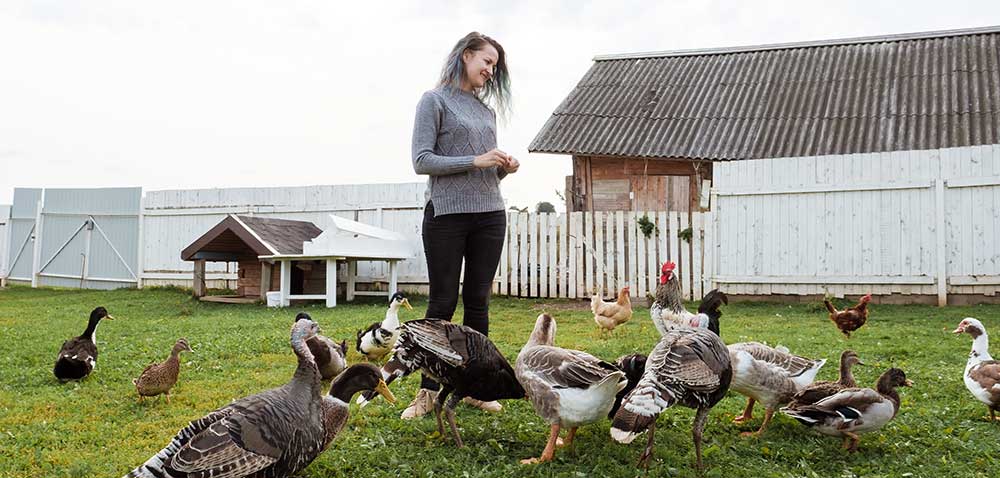
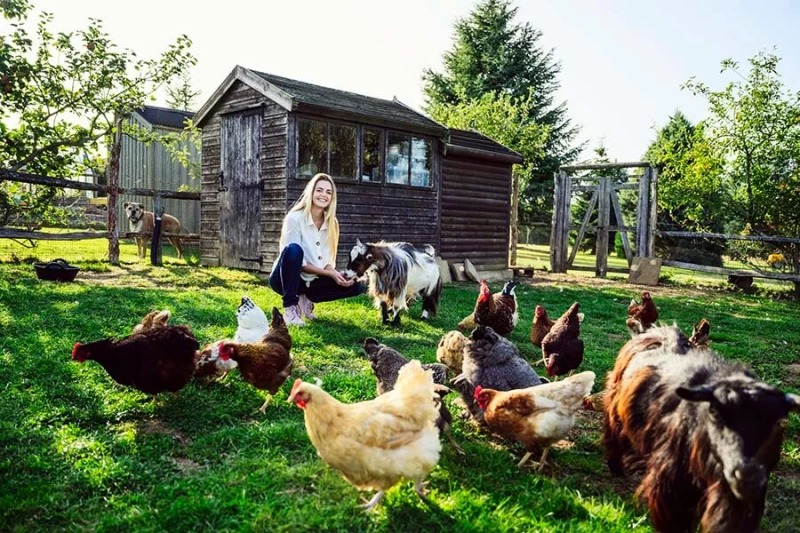
- Livestock: Chickens are a popular first choice for eggs and pest control. Goats or rabbits can follow as you build confidence.
- Infrastructure: Fencing, coops, and water systems are essential for animal health and garden protection.

Expanding and Refining Your Homestead
After the first year, most off-grid homesteaders focus on refining systems and expanding capabilities. This phase is about improving efficiency, increasing yields, and adding comfort features.
- Energy Upgrades: Add more solar panels, battery storage, or diversify with wind/hydro if your site allows.
- Water Security: Install larger cisterns, rainwater catchment, or develop a well.
- Food Preservation: Learn canning, dehydrating, and root cellaring to store surplus harvests.
- Community: Connect with local growers, barter networks, or online forums for support and knowledge sharing.
As your homestead matures, you may want to revisit your interior spaces for better organization and comfort. Our kitchen remodeling cabinet color ideas can inspire upgrades that blend function with style, even in off-grid settings.
Sample Timeline: Year-by-Year Breakdown
| Year | Milestones |
|---|---|
| 0–1 | Research, budgeting, land purchase, site prep, temporary shelter |
| 1–2 | Build main dwelling, install basic utilities, start small garden, keep chickens |
| 2–3 | Expand food production, add livestock, upgrade energy/water systems |
| 3+ | Refine systems, increase self-sufficiency, add comfort and storage features |
Common Challenges and How to Overcome Them
Transitioning to an off-grid lifestyle brings unique hurdles. Weather delays, supply shortages, and learning curves are common. Here are a few ways to stay on track:
- Start Small: Tackle one major project at a time to avoid burnout.
- Build Community: Seek advice from experienced homesteaders and local experts.
- Stay Flexible: Adjust your plans as you learn what works best for your land and climate.
- Document Progress: Keep a journal or photo log to track improvements and lessons learned.
Frequently Asked Questions
How long does it take to become fully off-grid?
Most beginners spend 2–5 years reaching a high level of self-sufficiency, depending on resources, climate, and how much work is done personally versus hired out. Initial setup—land, shelter, basic utilities—can often be completed in the first 12–24 months.
What is the biggest expense in the early stages?
Land purchase and building materials typically account for the largest upfront costs. Solar systems, water infrastructure, and tools are also significant investments. Careful budgeting and phased purchases help spread out expenses.
Do I need experience in construction or farming?
While prior experience helps, many successful homesteaders start as beginners. Take time to learn essential skills, seek mentorship, and don’t hesitate to hire professionals for complex tasks like electrical or plumbing work.
Conclusion
Mapping out your off-grid homestead startup timeline is essential for turning your dream into a sustainable reality. By breaking the process into clear phases—planning, land selection, building, food production, and refinement—you can avoid overwhelm and celebrate each milestone. Remember, every homestead is unique, and flexibility is key to long-term success. For more inspiration on optimizing your living spaces, explore our kitchen remodeling visual balance tips to create harmonious, efficient interiors even in off-grid homes.