When planning a kitchen renovation, one of the most impactful design decisions involves choosing between symmetrical and asymmetrical layouts. The balance between these two approaches can dramatically influence the overall feel, functionality, and visual appeal of your space. Understanding the principles behind each style helps homeowners create kitchens that are not only beautiful but also practical and inviting.
This article explores the differences between symmetrical and asymmetrical kitchen design, their benefits, and how to decide which approach best suits your needs. Along the way, you’ll find practical tips, inspiring examples, and expert advice to help you make informed choices for your remodel.
For those working with compact spaces, you may also want to explore kitchen remodeling space optimization tips to maximize both style and efficiency.
Understanding Symmetrical Kitchen Design
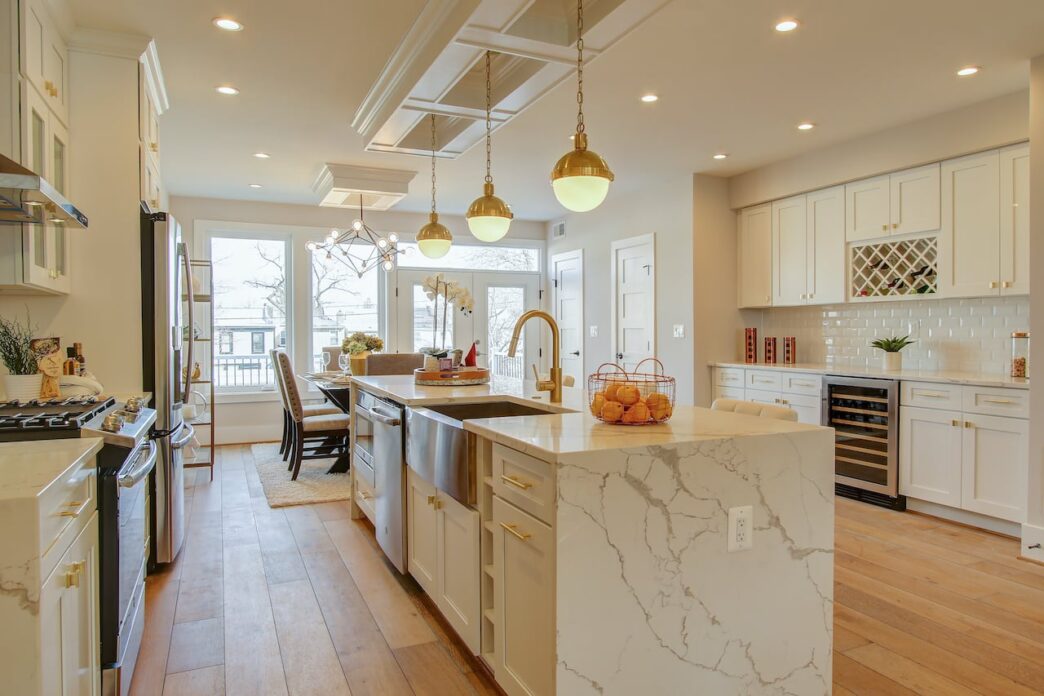
Symmetry in kitchen design refers to creating a sense of balance by mirroring elements on either side of a central axis. This approach is rooted in classical design principles and is often associated with order, calm, and timeless elegance. In a symmetrical kitchen, cabinetry, appliances, and fixtures are arranged so that each side reflects the other, either exactly or with subtle variations.
Common examples of symmetrical layouts include:
- Placing identical cabinets or open shelves on both sides of a range hood
- Centering a kitchen island between two parallel runs of cabinetry
- Using matching pendant lights over an island or peninsula
Symmetrical designs are especially popular in traditional, transitional, and modern-classic kitchens. They create a sense of harmony and can make a space feel more organized and visually restful. This approach is also practical for kitchen remodeling symmetry vs asymmetry design projects where homeowners want a cohesive, unified look.
The Appeal of Asymmetrical Kitchen Layouts
While symmetry offers order, asymmetry introduces energy and visual interest. Asymmetrical kitchens break away from strict mirroring, instead using varied shapes, sizes, and placements to create a dynamic, contemporary feel. This style is often found in modern, eclectic, and industrial-inspired spaces.
Key characteristics of asymmetrical kitchen layouts include:
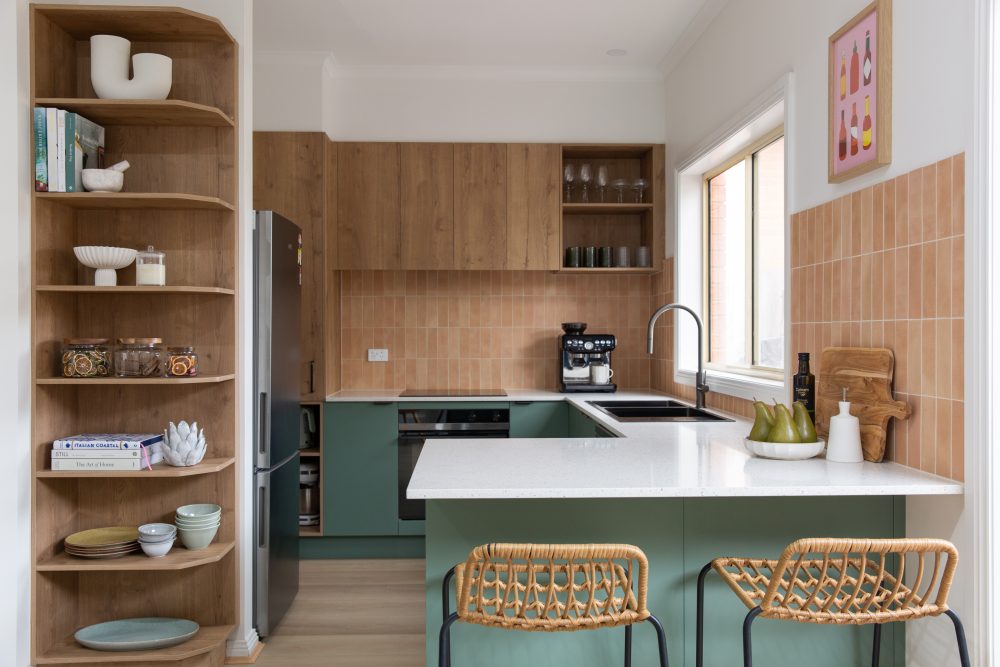
- Open shelving on one side of a range and closed cabinetry on the other
- Offset islands or peninsulas that don’t align perfectly with other elements
- Mixing different cabinet heights, colors, or finishes
- Staggered lighting fixtures or unique focal points
Asymmetry allows for more creativity and personalization. It can help highlight architectural features, accommodate awkward layouts, or simply add a bold, artistic touch to your kitchen. For those seeking a unique and memorable space, this approach can be especially rewarding.
Comparing Symmetry and Asymmetry in Kitchen Remodeling
Choosing between symmetrical and asymmetrical design is not just about aesthetics—it also affects how your kitchen functions and feels. Here’s a closer look at the pros and cons of each approach:
| Aspect | Symmetrical Design | Asymmetrical Design |
|---|---|---|
| Visual Impact | Calm, orderly, classic | Dynamic, creative, modern |
| Functionality | Predictable workflow, easy navigation | Flexible, adapts to unique needs |
| Best For | Traditional and transitional homes | Contemporary and eclectic spaces |
| Potential Drawbacks | Can feel rigid or formal | May appear chaotic if not balanced |
It’s important to note that many successful kitchen remodels blend both approaches. For example, you might use symmetry for the main cabinetry but introduce asymmetry with open shelving or lighting. This hybrid method can provide both harmony and interest.
How to Decide Which Approach Is Right for Your Kitchen
Several factors influence whether a symmetrical or asymmetrical layout will work best in your home. Consider the following when planning your remodel:
- Architectural Features: Existing windows, doors, and structural elements may naturally lend themselves to one style over the other.
- Personal Taste: Do you prefer order and tradition, or do you gravitate toward bold, unconventional designs?
- Functionality: Think about how you use your kitchen. Symmetry can make workflows more predictable, while asymmetry often allows for more customization.
- Space Constraints: In small or irregularly shaped kitchens, asymmetrical layouts may offer better solutions for maximizing storage and movement.
- Visual Balance: Even in asymmetrical designs, maintaining a sense of balance is key. Use color, texture, or focal points to anchor the space.
For more inspiration on creating a visually harmonious kitchen, check out these kitchen remodeling visual balance tips.
Tips for Achieving Balance in Your Kitchen Remodel
Whether you lean toward symmetry or asymmetry, achieving a sense of balance is crucial for a successful kitchen design. Here are some practical strategies:
- Anchor with a Focal Point: Use a range hood, island, or statement backsplash as a central feature.
- Repeat Elements: Incorporate repeating colors, materials, or shapes to tie the space together.
- Vary Heights and Depths: Mix upper and lower cabinets, open shelves, or different countertop levels for interest.
- Layer Lighting: Combine recessed lights, pendants, and under-cabinet fixtures for both function and ambiance. For product recommendations, see the Best Kitchen Recessed Lights above.
- Mix Textures: Blend matte and glossy finishes, wood and metal, or smooth and textured surfaces for depth. Explore more with these kitchen remodeling texture design ideas.
Remember, the goal is to create a kitchen that feels cohesive and welcoming, regardless of whether it’s strictly symmetrical, boldly asymmetrical, or a blend of both.
Expert Advice and Additional Resources
Professional designers often recommend starting with your home’s architecture and your lifestyle needs before settling on a layout. If you’re unsure where to begin, consider consulting a kitchen design specialist or using a step-by-step planning resource, such as this comprehensive kitchen renovation guide.
For those interested in adding unique touches, accent walls can be a great way to introduce either symmetry or asymmetry. See these kitchen remodeling accent wall ideas for inspiration. Updating cabinet colors is another effective strategy—browse cabinet color ideas for your kitchen to refresh your space while maintaining balance.
FAQ
What is the main difference between symmetrical and asymmetrical kitchen layouts?
Symmetrical layouts mirror elements on either side of a central axis, creating a balanced and orderly appearance. Asymmetrical layouts, on the other hand, use varied placements and sizes to create a more dynamic and creative look. Both approaches can be functional and stylish, depending on your preferences and space.
Can I combine symmetry and asymmetry in my kitchen remodel?
Absolutely. Many successful kitchen designs blend both principles. For example, you might use a symmetrical arrangement for your main cabinetry but introduce asymmetry with open shelving, lighting, or accent features. The key is to maintain overall visual balance.
Which design style is better for small kitchens?
Both styles can work in compact spaces. Symmetry can make a small kitchen feel more organized, while asymmetry can help maximize storage and adapt to irregular layouts. For more ideas, review kitchen remodeling space optimization tips to make the most of your available area.