
Choosing the right countertop is a pivotal part of any kitchen renovation. With so many materials available, it can be challenging to determine which option best fits your needs, style, and budget. This kitchen remodeling countertop material comparison guide will help you understand the pros, cons, and unique features of popular countertop surfaces, so you can make an informed decision for your next project.
Before diving into the details, remember that your choice of countertop not only impacts aesthetics but also affects durability, maintenance, and overall kitchen functionality. If you’re also considering design harmony, check out these kitchen remodeling visual balance tips for a cohesive look.
Understanding Countertop Material Options
Countertops come in a variety of materials, each with its own strengths and weaknesses. The most common choices include granite, quartz, marble, laminate, butcher block, solid surface, and concrete. Let’s explore what sets each apart and how they compare in terms of cost, durability, and style.
Natural Stone Surfaces: Granite and Marble
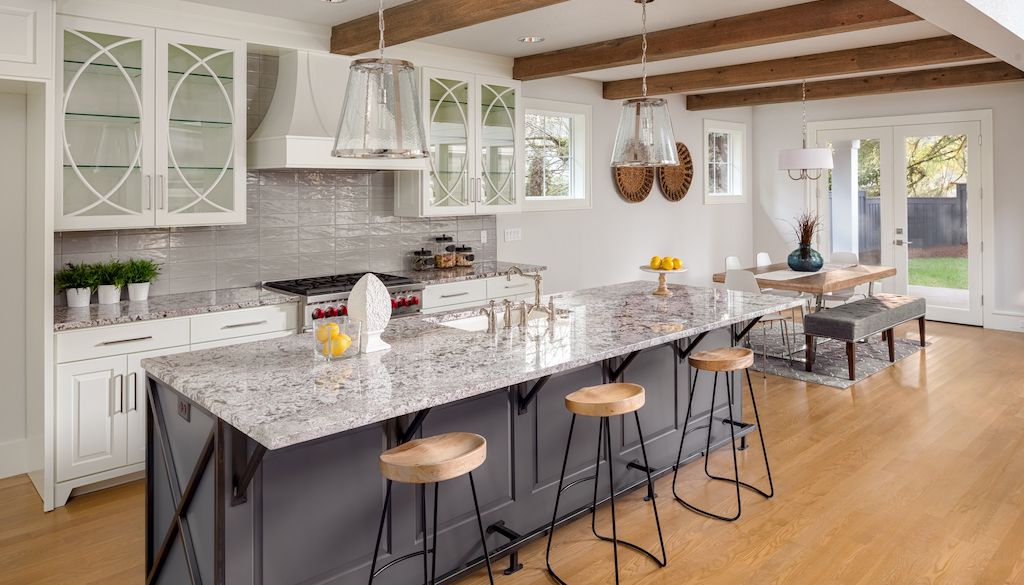
Granite countertops have long been a favorite for their natural beauty and resilience. Each slab is unique, offering a one-of-a-kind appearance. Granite is heat-resistant and stands up well to scratches, but it does require periodic sealing to prevent staining. Marble, on the other hand, is prized for its elegant veining and timeless appeal. However, marble is softer and more porous than granite, making it susceptible to stains and etching from acidic foods.
- Granite: Durable, heat-resistant, requires sealing, wide range of colors.
- Marble: Luxurious look, softer surface, higher maintenance, best for low-traffic kitchens.
Engineered Stone: Quartz Countertops
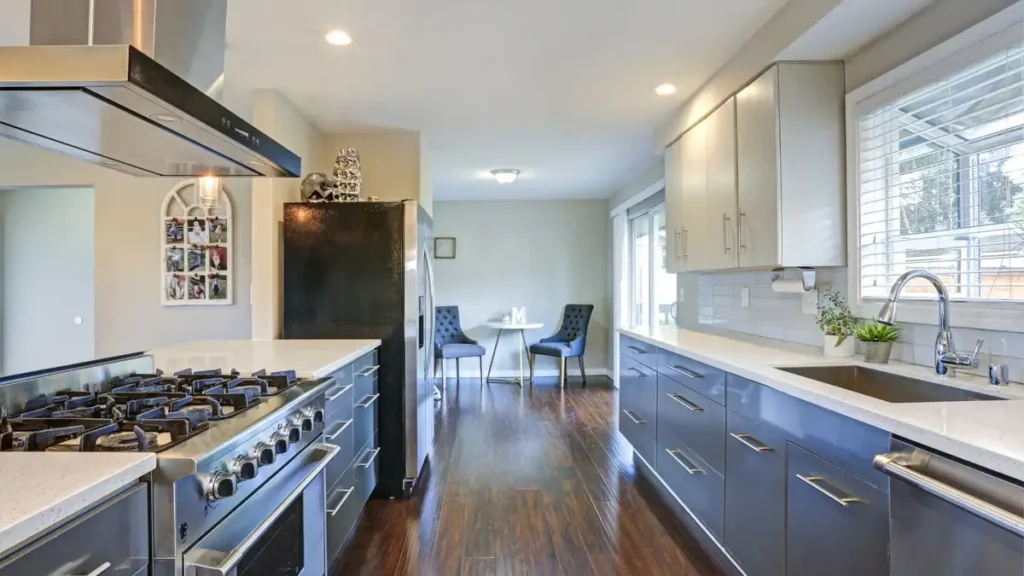
Quartz has gained popularity in kitchen remodeling countertop material comparison discussions due to its blend of beauty and practicality. Made from crushed quartz mixed with resin, these surfaces are non-porous, stain-resistant, and available in a wide range of colors and patterns. Unlike natural stone, quartz does not need sealing and is less prone to chipping or cracking. However, it can be sensitive to high heat, so using trivets is recommended.
- Quartz: Non-porous, low maintenance, consistent patterns, not as heat-resistant as granite.
Budget-Friendly Choices: Laminate and Butcher Block
For those looking for affordable and stylish options, laminate and butcher block are worth considering. Laminate countertops are made from layers of plastic bonded to particleboard. They come in a vast array of colors and patterns, including designs that mimic stone or wood. Laminate is easy to clean and budget-friendly, but it can be prone to scratching and is not heat-resistant.
Butcher block, crafted from strips of wood, brings warmth and a natural feel to the kitchen. It’s ideal for food prep and can be sanded down to remove scratches. However, wood countertops require regular oiling and can be damaged by water or heat if not properly maintained.
- Laminate: Economical, many styles, easy to install, less durable than stone.
- Butcher Block: Warm appearance, great for prep, needs maintenance, susceptible to moisture.
Modern Alternatives: Solid Surface and Concrete
Solid surface countertops, such as Corian, are made from acrylic or polyester resins. These surfaces are seamless, non-porous, and easy to repair if scratched. They come in a wide range of colors and can be custom-shaped for integrated sinks or backsplashes. However, they are less heat-resistant than stone and can be scratched by sharp knives.
Concrete countertops offer a contemporary, industrial look and can be customized with pigments, textures, and inlays. While concrete is extremely durable, it requires sealing to prevent stains and can develop hairline cracks over time. The installation process is more involved and often requires a professional.
- Solid Surface: Seamless, repairable, many colors, moderate durability.
- Concrete: Customizable, modern look, needs sealing, heavy and may crack.
Comparing Cost, Durability, and Maintenance
When evaluating countertop materials, it’s important to balance your budget with your expectations for durability and upkeep. Here’s a quick overview:
| Material | Average Cost (per sq. ft.) | Durability | Maintenance |
|---|---|---|---|
| Granite | $40–$100 | High | Seal annually |
| Marble | $50–$150 | Medium | Seal regularly |
| Quartz | $55–$120 | High | Low |
| Laminate | $10–$40 | Low–Medium | Low |
| Butcher Block | $35–$100 | Medium | Oil regularly |
| Solid Surface | $50–$120 | Medium | Low |
| Concrete | $70–$140 | High | Seal regularly |
Additional Factors in Countertop Selection
Beyond cost and durability, consider how your countertop choice fits with your kitchen’s overall design and your lifestyle. For example, if you love to bake, marble’s cool surface is ideal for rolling dough. If you have a busy household, quartz or granite may be better suited for their resilience. For a more in-depth look at planning your kitchen’s style, explore the kitchen remodeling style planning guide.
Maintenance is another key factor. Some surfaces, like laminate and quartz, are virtually maintenance-free, while others, such as wood and marble, require more attention. Think about how much time you’re willing to spend on upkeep when making your decision.
Trends and Innovations in Countertop Materials
Recent trends in kitchen design include mixing materials for visual interest, such as pairing a stone island with wood perimeter counters. Eco-friendly options, like recycled glass or composite materials, are also gaining traction. For more inspiration and practical ideas, you can refer to this comprehensive kitchen remodeling guide that covers a range of surfaces and design strategies.
Don’t overlook the impact of countertop color and finish on your kitchen’s ambiance. Matte, honed, and leathered finishes are popular alternatives to traditional polished surfaces, offering unique textures and a softer look.
FAQ
What is the most durable countertop material for kitchens?
Granite and quartz are widely regarded as the most durable options for kitchen countertops. Both resist scratches and stains well, with quartz being non-porous and requiring less maintenance. Granite is heat-resistant but needs periodic sealing.
Are there low-maintenance countertop materials?
Yes, quartz and laminate are among the easiest to maintain. Quartz does not require sealing and is resistant to stains and bacteria. Laminate is also simple to clean, though it is less durable than stone surfaces.
How do I choose the right countertop for my kitchen style?
Consider your kitchen’s overall design, color palette, and how you use the space. For a modern look, quartz or concrete may be ideal. For a traditional or farmhouse kitchen, butcher block or marble can add warmth and character. Reviewing hardware style guides and layout ideas can also help you coordinate your countertop with other design elements.
Ultimately, the best countertop for your kitchen will balance aesthetics, function, and maintenance to suit your lifestyle. Take the time to compare your options and consult with professionals if needed to ensure your investment stands the test of time.