Creating a productive and comfortable workplace starts with thoughtful office buildout space planning. Whether you’re moving into a new location or reconfiguring an existing office, the way you organize your space directly influences workflow, collaboration, and employee satisfaction. Smart planning ensures every square foot is used effectively, supports your business goals, and adapts to future growth.
Before diving into the details, it’s helpful to understand the broader context of commercial buildouts. For those new to the process, our guide on what is an office buildout covers the basics and terminology you’ll encounter.
Understanding the Fundamentals of Workspace Design
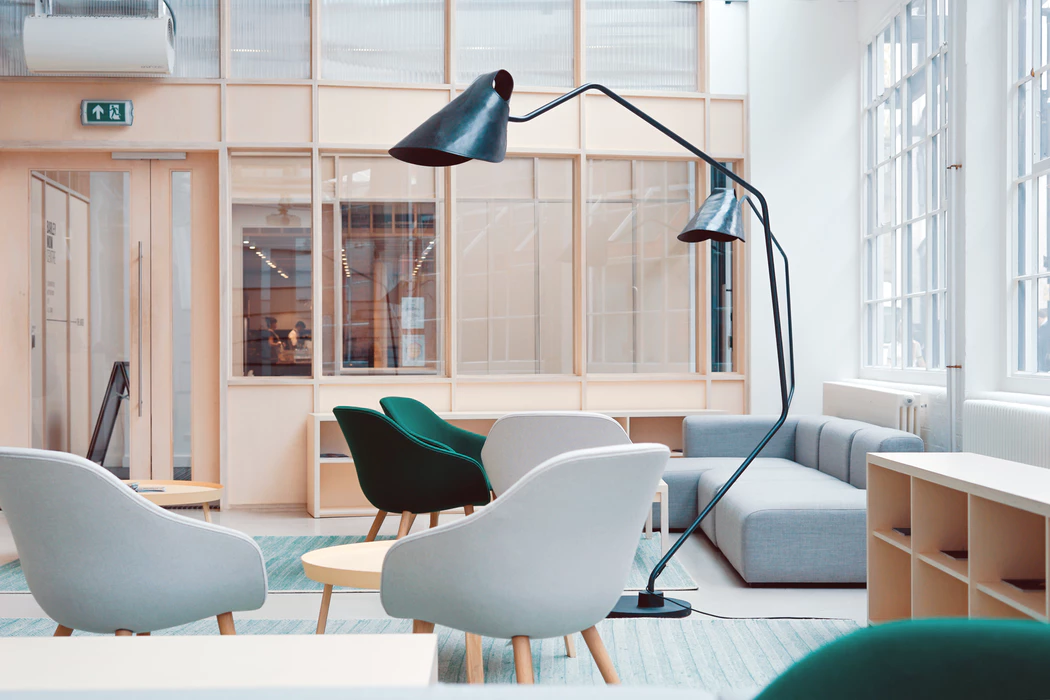
At its core, office buildout space planning is about aligning your physical environment with your organization’s needs. This involves analyzing how teams interact, what resources they require, and how to balance private and collaborative areas. The process typically starts with a needs assessment, followed by drafting layout options and refining them based on feedback and budget.
A well-planned office layout can help reduce distractions, improve communication, and even boost morale. It’s not just about fitting desks into a room—it’s about creating zones for focused work, meetings, and informal interactions, all while ensuring compliance with safety and accessibility standards.
Key Steps in Planning Your Office Buildout
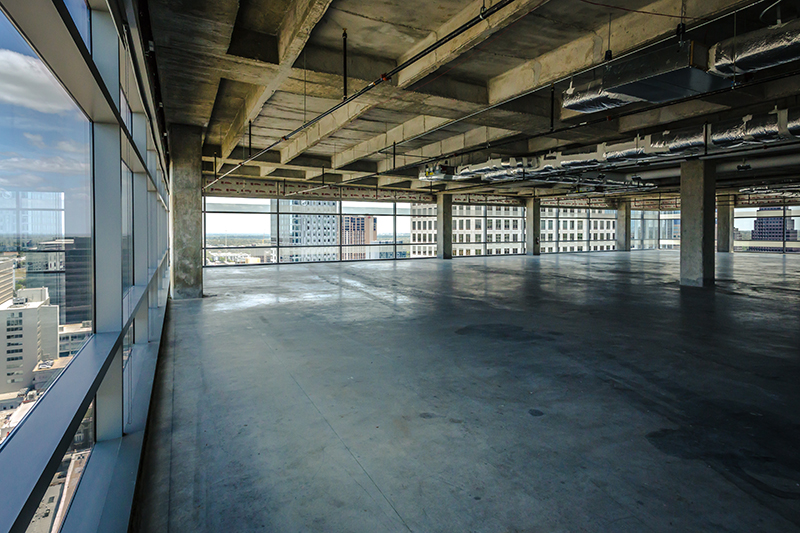
To achieve an efficient workspace, follow these essential steps:
- Assess Your Current and Future Needs: Consider how many employees you have now and anticipate future growth. Think about departmental proximity, storage, and specialized spaces such as break rooms or wellness areas.
- Engage Stakeholders Early: Involve leadership, department heads, and even employees in the planning process. Their input helps identify pain points and opportunities for improvement.
- Define Zones and Traffic Flow: Map out quiet zones, collaborative spaces, and high-traffic areas. Ensure pathways are clear and accessible.
- Incorporate Flexibility: Modular furniture and movable partitions allow your layout to adapt as your business evolves.
- Plan for Technology and Infrastructure: Position power outlets, data ports, and AV equipment where they’re needed most. Consider future tech upgrades.
- Prioritize Natural Light and Comfort: Arrange workstations to maximize daylight and provide ergonomic seating.
Optimizing Layouts for Productivity and Collaboration
The right configuration can make a significant difference in how teams function. Open-plan offices encourage communication, but they may require acoustic solutions to prevent noise distractions. Private offices or phone booths offer quiet for focused tasks. Meeting rooms of various sizes support both formal presentations and informal brainstorming.
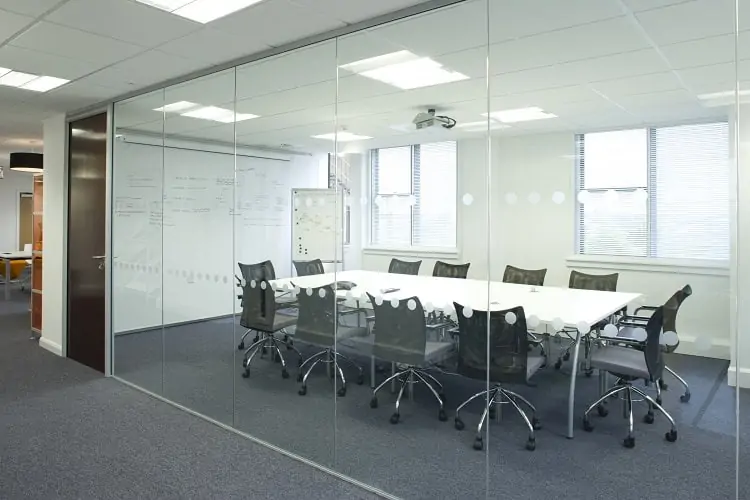
When considering space planning for office buildouts, it’s important to balance openness with privacy. Use glass partitions, plants, or shelving to define areas without making the space feel closed off. Breakout zones and lounge areas foster spontaneous collaboration and give employees a place to recharge.
Common Pitfalls and How to Avoid Them
Even with careful planning, some challenges can arise:
- Underestimating Space Requirements: Don’t squeeze too many workstations into a small area. Allow for circulation and future expansion.
- Ignoring Acoustics: Noise can quickly become a problem in open layouts. Use sound-absorbing materials and strategic placement of meeting rooms.
- Overlooking Storage: Adequate storage keeps workspaces tidy and functional. Plan for both shared and personal storage solutions.
- Neglecting Employee Wellbeing: Access to natural light, comfortable furniture, and amenities like kitchens or relaxation areas contribute to a positive work environment.
For a deeper dive into timelines and what to expect during a buildout, see our overview of office buildout timelines.
Incorporating Sustainability and Compliance
Modern office design increasingly emphasizes sustainability and regulatory compliance. Choosing energy-efficient lighting, recycled materials, and low-VOC finishes can help your business meet green building standards for office buildouts. Additionally, ensure that your layout complies with ADA requirements and local building codes to provide a safe, accessible environment for all.
Best Practices for Effective Office Buildout Space Planning
To get the most out of your investment, keep these best practices in mind:
- Work with Experienced Professionals: Architects, designers, and contractors bring expertise that can help you avoid costly mistakes.
- Use Technology for Visualization: 3D modeling and space planning software allow you to test different configurations before committing.
- Gather Feedback and Iterate: Solicit input from employees and adjust the plan as needed. Flexibility leads to better outcomes.
- Stay Informed: Trends in workplace design evolve. Resources like this comprehensive office space planning guide can help you stay up to date.
For more detailed advice on orchestrating a successful project, our office buildout planning guide covers everything from budgeting to contractor selection.
Frequently Asked Questions
What are the main goals of office buildout space planning?
The primary objectives are to maximize usable space, support business operations, enhance employee productivity, and create a comfortable, adaptable environment. Effective planning also considers safety, accessibility, and future growth.
How much space should be allocated per employee?
While needs vary by industry and role, a common guideline is 150–250 square feet per person, including shared spaces. However, remote work trends and flexible layouts may influence this number. It’s important to assess your team’s specific requirements.
How can I make my office layout more sustainable?
Incorporate energy-efficient lighting, recycled or low-impact materials, and designs that maximize natural light. Prioritize flexible layouts that can adapt to changing needs, reducing the need for future renovations and waste.
Do I need professional help for space planning?
While small changes can be managed internally, larger projects benefit from the expertise of architects, designers, and contractors. Professionals can help you avoid costly mistakes, ensure compliance, and deliver a workspace that meets your goals.