

Designing a modern kitchen goes far beyond choosing beautiful cabinets and countertops. Today’s smart kitchens demand a thoughtful approach to storage, balancing aesthetics, technology, and daily function. This kitchen remodeling storage planning guide is designed to help homeowners, renovators, and designers create spaces that are efficient, organized, and ready for the future.
Whether you’re starting from scratch or updating an existing space, effective storage solutions can transform how you cook, clean, and entertain. By considering workflow, accessibility, and the latest innovations, you can ensure your kitchen not only looks great but also works smarter for your lifestyle.

For a harmonious kitchen layout, consider exploring kitchen remodeling visual balance tips to complement your storage strategy and achieve a cohesive design.
Why Smart Storage Matters in Modern Kitchens
Today’s kitchens are more than just places to prepare meals—they’re multifunctional hubs for family, work, and entertaining. As appliances become more advanced and lifestyles shift, smart storage planning ensures your kitchen adapts to your needs. Well-designed storage can:
- Reduce clutter and make cleaning easier
- Improve workflow and cooking efficiency
- Maximize available space, even in small kitchens
- Accommodate new technology and appliances
- Enhance the overall look and feel of your home
By integrating storage solutions early in your remodel, you’ll avoid common pitfalls like overcrowded countertops or inaccessible cabinets.
Assessing Your Storage Needs Before Remodeling
Before diving into cabinetry and shelving options, take time to analyze your household’s unique requirements. Consider these questions:
- What are your most-used kitchen items, and where do you want them stored?
- Do you need specialized storage for appliances, utensils, or pantry goods?
- Are there accessibility needs for children, seniors, or individuals with mobility challenges?
- How much space do you need for recycling, cleaning supplies, or pet food?
Creating an inventory of your kitchen items and mapping out your daily routines will help you prioritize storage features that genuinely improve your life.
Innovative Storage Solutions for Smart Kitchens
Modern kitchen design offers a range of creative options to keep everything organized and within reach. Here are some of the most effective storage ideas for a smart kitchen:

- Pull-Out Cabinets and Drawers: Deep drawers for pots and pans, pull-out spice racks, and sliding shelves make it easy to access items without digging through cluttered cabinets.
- Corner Solutions: Lazy Susans, swing-out shelves, and corner drawers maximize hard-to-reach spaces.
- Vertical Storage: Tall pantry cabinets, wall-mounted racks, and open shelving utilize vertical space for dishes, dry goods, or decorative items.
- Hidden Appliance Garages: Keep small appliances out of sight but easily accessible with dedicated storage nooks or lift-up doors. For more on this, see kitchen remodeling hidden appliance ideas.
- Integrated Charging Stations: Built-in outlets and USB ports within drawers or cabinets keep devices charged and counters clear.
- Custom Drawer Organizers: Inserts for utensils, knives, and gadgets maintain order and prevent clutter.
For a deeper dive into cabinetry hardware and finishes, explore the kitchen remodeling hardware style guide for inspiration and practical advice.
Planning for Smart Appliances and Technology
As kitchens become more connected, storage planning must account for new technology. Consider the following when designing your space:
- Allocate space for smart ovens, refrigerators, or dishwashers with extra clearance for ventilation and access panels.
- Include dedicated spots for tablets, recipe screens, or voice assistants.
- Plan for cable management and hidden power sources to keep surfaces tidy.
Integrating technology from the start ensures your kitchen remains adaptable as new innovations emerge.
Optimizing Kitchen Zones for Workflow and Storage
Dividing your kitchen into functional zones—such as prep, cooking, cleaning, and storage—can streamline daily tasks. Each zone should have storage tailored to its purpose:
- Prep Zone: Store knives, cutting boards, mixing bowls, and utensils nearby.
- Cooking Zone: Keep pots, pans, spices, and oils within arm’s reach of the stove.
- Cleaning Zone: Place dish soap, scrubbers, and towels under the sink or in adjacent drawers.
- Pantry Zone: Organize dry goods, snacks, and canned items in pull-out shelves or tall cabinets.
For more on optimizing your layout, the kitchen remodeling kitchen zones explained guide provides detailed strategies for efficient design.
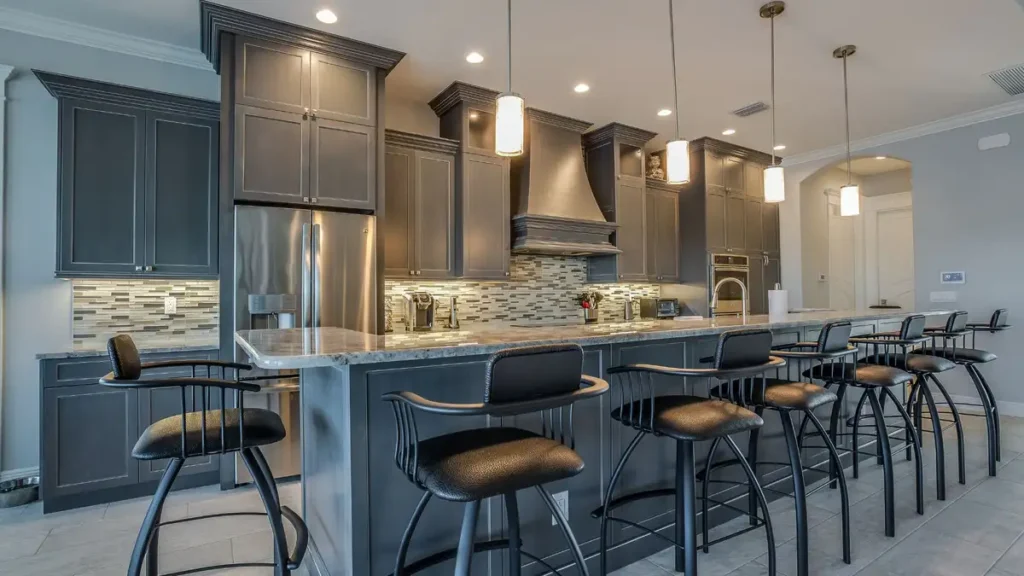
Tips for Maximizing Small Kitchen Storage
Even compact kitchens can be highly functional with the right approach. Here are some ideas for making the most of limited space:
- Use cabinet doors for hanging racks or organizers
- Choose multi-functional furniture like islands with built-in shelves
- Opt for open shelving to visually expand the room
- Install toe-kick drawers for rarely used items
- Consider stackable containers and modular storage systems
Every inch counts, so focus on solutions that combine accessibility with efficient use of space.
Incorporating Sustainability and Organization
Modern storage planning isn’t just about convenience—it’s also about sustainability and long-term organization. Consider these strategies:
- Designate bins for recycling and composting
- Choose durable, eco-friendly materials for cabinetry and shelving
- Use clear containers and labels to minimize food waste
- Plan for easy cleaning and maintenance
By making sustainable choices, you’ll create a kitchen that’s both functional and environmentally responsible.
Expert Resources and Inspiration
For more ideas and visual inspiration, check out these kitchen remodel design ideas from KitchenAid. Their gallery showcases real-world examples of smart storage, integrated appliances, and innovative layouts.
If you’re focused on everyday usability, the kitchen remodeling functional design tips article offers practical advice for making your space work for you.
Frequently Asked Questions
How do I determine the right amount of storage for my kitchen remodel?
Start by taking inventory of your current kitchen items and identifying what you use most often. Factor in future needs, such as new appliances or growing family size. It’s helpful to allocate extra space for seasonal or specialty items and to prioritize accessibility for daily essentials.
What are the best storage solutions for small kitchens?
Maximize vertical space with tall cabinets and open shelving, use pull-out drawers and organizers, and consider multi-purpose furniture like islands with built-in storage. Toe-kick drawers and wall-mounted racks can also help utilize every available inch.
How can I make my kitchen storage more sustainable?
Choose cabinetry made from eco-friendly materials, incorporate recycling and composting stations, and use clear containers to reduce food waste. Planning for durability and easy maintenance also contributes to a more sustainable kitchen environment.
Conclusion
Effective storage planning is the foundation of any successful kitchen renovation. By assessing your needs, embracing innovative solutions, and considering both technology and sustainability, you can create a kitchen that is beautiful, organized, and ready for the future. Use this kitchen remodeling storage planning guide as a starting point to design a space that truly works for your lifestyle.


