
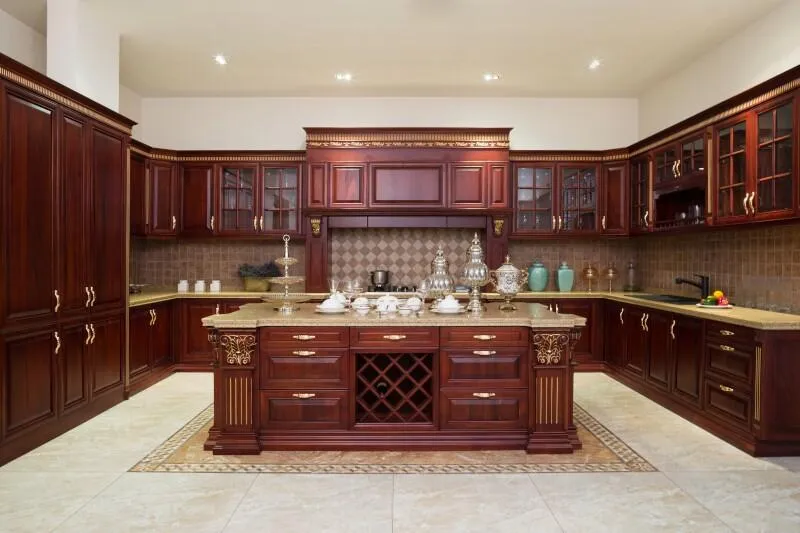

Designing a kitchen that is both beautiful and highly functional starts with understanding how to organize the space for efficiency. The concept of kitchen remodeling kitchen zones explained is central to creating a layout that supports your cooking, cleaning, and entertaining needs. By dividing the kitchen into specific activity areas, you can streamline workflow, reduce clutter, and make daily tasks more enjoyable. Whether you’re planning a full renovation or a simple refresh, learning about these zones will help you achieve a more organized and harmonious kitchen.
Before diving into the details of each zone, it’s important to recognize how layout choices impact the overall feel and usability of your kitchen. For those seeking additional guidance on achieving a balanced look, consider reading about kitchen remodeling visual balance tips to complement your zone planning.
Understanding the Five Essential Kitchen Zones
Modern kitchen design often revolves around five main zones: preparation, cooking, cleaning, storage, and serving. Each area is tailored to a specific set of tasks, and arranging them thoughtfully can transform how you use your space. Let’s break down the purpose and best practices for each zone.
Preparation Zone: The Heart of Efficient Cooking
The prep area is where most of the action happens. This zone should be equipped with ample counter space, easy access to knives, mixing bowls, cutting boards, and small appliances like food processors. Positioning the prep zone between the fridge and the sink allows for a smooth workflow, minimizing unnecessary steps.
- Keep utensils and prep tools within arm’s reach.
- Install under-cabinet lighting for better visibility.
- Consider a pull-out trash bin nearby for quick cleanup.
For those interested in optimizing workflow even further, explore the kitchen remodeling workflow layout guide for more in-depth strategies.
Cooking Zone: Where Heat Meets Creativity
The cooking zone centers around the stove, oven, and microwave. This area should have direct access to pots, pans, spices, and cooking utensils. Safety is also a priority—ensure there’s enough space on either side of the cooktop for hot pans and that ventilation is adequate.
- Store oils and seasonings in pull-out racks or drawers near the stove.
- Install heat-resistant countertops adjacent to the cooking surface.
- Keep fire extinguishers and pot holders close by but out of the immediate cooking path.
Cleaning Zone: Streamlining Post-Meal Tasks
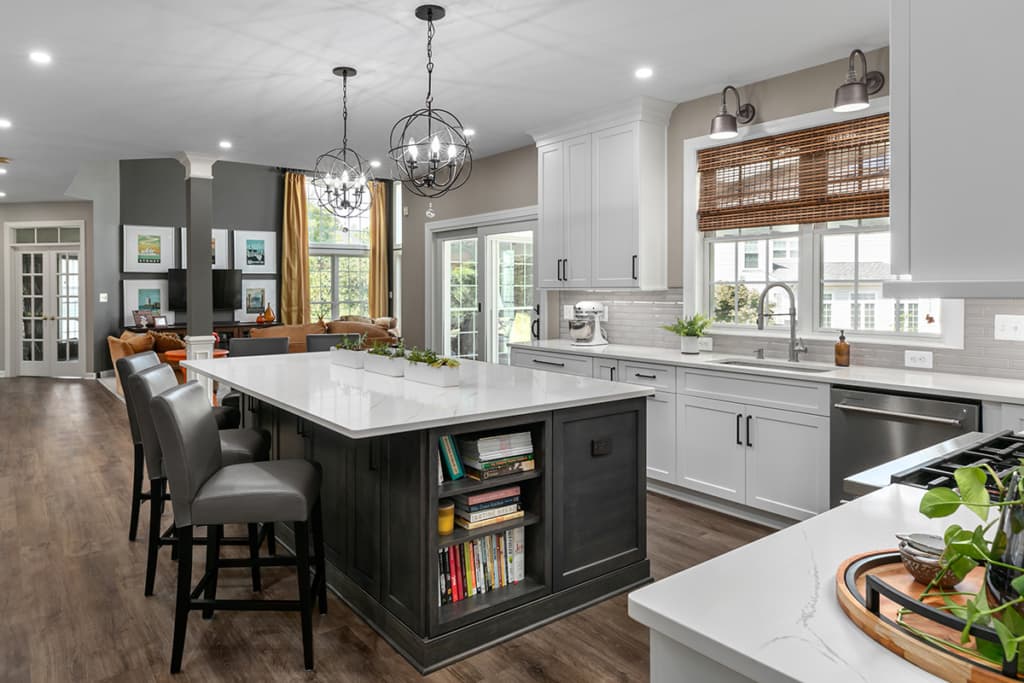
The cleaning area is anchored by the sink and dishwasher. This zone should have easy access to cleaning supplies, dish soap, sponges, and drying racks. Placing the cleaning zone between the prep and cooking areas can make washing up more efficient, especially when multiple people are working in the kitchen.
- Install pull-out organizers for cleaning products under the sink.
- Consider a double-bowl sink for multitasking.
- Keep dish towels and drying mats close at hand.
For more inspiration on organizing this space, check out kitchen remodeling cleaning zone layout ideas for practical tips.
Storage Zone: Maximizing Organization and Access
Storage is more than just cabinets and drawers—it’s about making sure everything has a logical place. This zone includes the pantry, upper and lower cabinets, and even specialty storage like pull-out shelves or lazy Susans. Group items by frequency of use and keep everyday essentials within easy reach.
- Use deep drawers for pots, pans, and mixing bowls.
- Install vertical dividers for baking sheets and cutting boards.
- Label pantry containers for quick identification.
Hidden storage solutions can further enhance the look and feel of your kitchen. Discover creative ideas in the kitchen remodeling hidden appliance ideas guide.
Serving and Entertaining Zone: Bringing People Together
This area is designed for plating, serving, and sometimes casual dining. It often includes a peninsula, island, or breakfast bar. Position this zone near the prep and cooking areas for easy transfer of food, and consider adding outlets for small appliances like coffee makers or toasters.
- Include open shelving for dishes and glassware.
- Ensure there’s enough seating for family and guests.
- Use pendant lighting to create a welcoming atmosphere.

Tips for Integrating Kitchen Zones in Any Layout
Whether your kitchen is U-shaped, L-shaped, galley, or open-concept, the principles of zoning can be adapted to fit your space. Here are some practical strategies for making the most of your layout:
- Plan traffic flow to minimize cross-traffic between zones, especially in busy households.
- Use islands or peninsulas to separate prep and serving areas without closing off the space.
- Opt for flexible storage solutions like pull-out shelves and adjustable racks to accommodate changing needs.
- Incorporate lighting tailored to each zone, such as task lighting for prep and ambient lighting for dining.
For more inspiration on current trends and innovative ideas, browse the top kitchen remodel ideas from industry experts.
Common Mistakes to Avoid When Planning Kitchen Zones
While organizing your kitchen by zones can greatly improve functionality, there are some pitfalls to watch for:
- Overcrowding one zone while neglecting others, leading to bottlenecks.
- Placing the fridge too far from the prep or cooking areas.
- Forgetting about adequate counter space between zones.
- Ignoring the importance of lighting and electrical outlets in each area.
Taking the time to map out your kitchen zones and adjust your layout accordingly can prevent these issues and result in a space that’s both practical and enjoyable to use.
Enhancing Your Kitchen with the Right Hardware and Accessories
The right hardware can make a significant difference in both the appearance and usability of your kitchen zones. From cabinet pulls to drawer organizers, choosing functional and stylish accessories helps maintain order and supports the flow between zones. For a comprehensive overview of options, visit the kitchen remodeling hardware style guide.
FAQ
What are the main benefits of organizing a kitchen by zones?
Dividing your kitchen into zones helps streamline workflow, reduces clutter, and makes it easier to keep the space organized. It also allows multiple people to work simultaneously without getting in each other’s way.
Can kitchen zones be implemented in small kitchens?
Yes, even compact kitchens can benefit from zoning. It’s about allocating specific areas for tasks, not necessarily having large dedicated spaces. Clever storage solutions and multi-functional furniture can help maximize efficiency in small layouts.
How do I choose the best layout for my kitchen zones?
Consider your cooking habits, family needs, and the shape of your kitchen. Map out the workflow from storage to prep, cooking, cleaning, and serving, and arrange each zone to minimize unnecessary movement. Consulting with a designer or using online planning tools can also be helpful.


