Achieving acoustic privacy is a top priority in modern office design. Whether you’re planning a new workspace or renovating an existing one, effective soundproofing can make a significant difference in productivity, comfort, and confidentiality. With open-plan layouts and glass partitions becoming more common, unwanted noise and lack of privacy are frequent concerns. This guide offers practical advice and proven office buildout soundproofing tips to help you create a quieter, more focused work environment.
If you’re new to the process, understanding the what is an office buildout concept can help you plan your project more effectively. Addressing sound control early in your buildout can save time, money, and frustration down the road.
Why Soundproofing Matters in Office Buildouts
Excessive noise is more than just a nuisance—it can disrupt concentration, reduce productivity, and even compromise sensitive conversations. In collaborative spaces, noise can travel easily through walls, ceilings, and floors, making it challenging to maintain confidentiality. By implementing soundproofing strategies during your office buildout, you lay the foundation for a workspace that supports both teamwork and privacy.
According to industry experts in office construction, integrating acoustic solutions at the planning stage is more cost-effective than retrofitting later. Early attention to sound control can also help you meet building codes and enhance employee satisfaction.
Key Office Buildout Soundproofing Tips for Effective Results
There are several proven methods to reduce noise transfer and improve privacy in your workspace. The following sections cover essential techniques and materials that can be incorporated into your buildout project.

1. Choose the Right Wall Construction
Walls are the first line of defense against noise. For optimal sound isolation, use staggered stud walls or double-stud partitions, which minimize direct sound transmission. Adding insulation, such as mineral wool or fiberglass batts, between wall cavities further dampens noise. Consider using thicker drywall or specialty acoustic panels for enhanced performance.
2. Address Doors and Windows
Standard interior doors often allow sound to pass through easily. Upgrading to solid-core doors and installing acoustic seals around the frame can significantly reduce noise leakage. For glass partitions, opt for laminated or double-glazed glass, which provides better sound insulation than single-pane options.
3. Ceiling and Floor Soundproofing Solutions
Sound can travel through ceilings and floors, especially in multi-story buildings. Installing acoustic ceiling tiles, suspended ceilings with sound-absorbing panels, or adding mass-loaded vinyl barriers can help control noise overhead. For floors, use carpet tiles, underlayment, or acoustic mats to absorb impact noise and reduce sound transmission between levels.
4. Seal Gaps and Penetrations
Even small gaps around electrical outlets, HVAC ducts, or light fixtures can compromise your soundproofing efforts. Use acoustic caulk or sealant to close these openings. Pay special attention to areas where walls meet floors and ceilings, as these junctions are common sources of sound leaks.
5. Integrate Acoustic Treatments and Furnishings
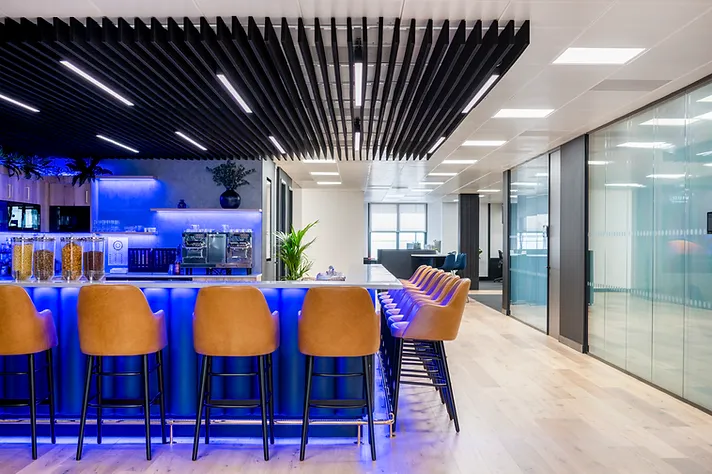
Beyond construction methods, incorporating acoustic panels, baffles, or sound-absorbing artwork can further reduce noise levels. Soft furnishings like upholstered chairs, curtains, and area rugs also help absorb sound and minimize echo, especially in open-plan areas.
Planning and Coordination for Sound Control
Effective soundproofing requires coordination between architects, contractors, and facility managers. Early discussions about acoustic goals and budget constraints ensure that the right materials and techniques are specified from the start. For a comprehensive approach, review the office buildout planning guide to align your soundproofing strategy with other project requirements.
Common Mistakes to Avoid in Office Soundproofing
- Overlooking small gaps: Even minor cracks or unsealed penetrations can undermine your efforts.
- Relying solely on furniture: While soft furnishings help, they can’t replace proper wall, floor, and ceiling treatments.
- Ignoring HVAC and ductwork: Sound can travel through shared ducts, so consider acoustic lining or separate runs for private offices.
- Delaying soundproofing decisions: Retrofitting is more expensive and less effective than planning for acoustics from the outset.
Balancing Privacy and Collaboration
Achieving the right balance between private spaces and collaborative zones is essential in any office layout. Use soundproofed meeting rooms, phone booths, or quiet zones for confidential discussions, while open areas can be treated with acoustic baffles and panels to manage ambient noise. This approach supports both teamwork and individual focus, enhancing overall workplace satisfaction.
FAQ: Office Soundproofing and Privacy
How can I soundproof an existing office without major renovations?
For existing spaces, consider adding acoustic panels to walls and ceilings, using area rugs and soft furnishings, and sealing any visible gaps or cracks. Portable partitions and sound-masking systems can also help reduce noise without extensive construction.
What materials are best for office soundproofing?
Effective materials include mineral wool or fiberglass insulation, solid-core doors, acoustic ceiling tiles, laminated glass, and mass-loaded vinyl barriers. Each material addresses different types of noise and should be selected based on your specific needs and budget.
Does soundproofing affect office aesthetics?
Modern acoustic solutions are designed to blend seamlessly with office decor. Many panels and baffles are available in a variety of colors and styles, allowing you to enhance privacy without sacrificing visual appeal.
Conclusion: Creating a Quieter, More Productive Workspace
Prioritizing sound control during your office renovation or buildout can have a lasting impact on productivity, privacy, and employee well-being. By following these office buildout soundproofing tips—from wall construction and door upgrades to acoustic treatments and careful planning—you can create a workspace that supports both focus and collaboration. For more insights on sustainable and efficient office projects, explore topics like office buildout green building standards and office buildout meaning to ensure your workspace meets both acoustic and environmental goals.