
As we face the challenges of climate change, the concept of passive building has gained significant traction, especially in cold climates. This guide aims to provide a comprehensive overview of how passive building can help maintain comfortable indoor temperatures in cold weather conditions, while minimizing energy consumption.
Before delving into the specifics, it’s important to understand the basics of sustainable passive building design. This approach revolves around the idea of harnessing natural resources like sunlight and wind to maintain a comfortable indoor environment.
Key Elements of Passive Homes in Cold Regions
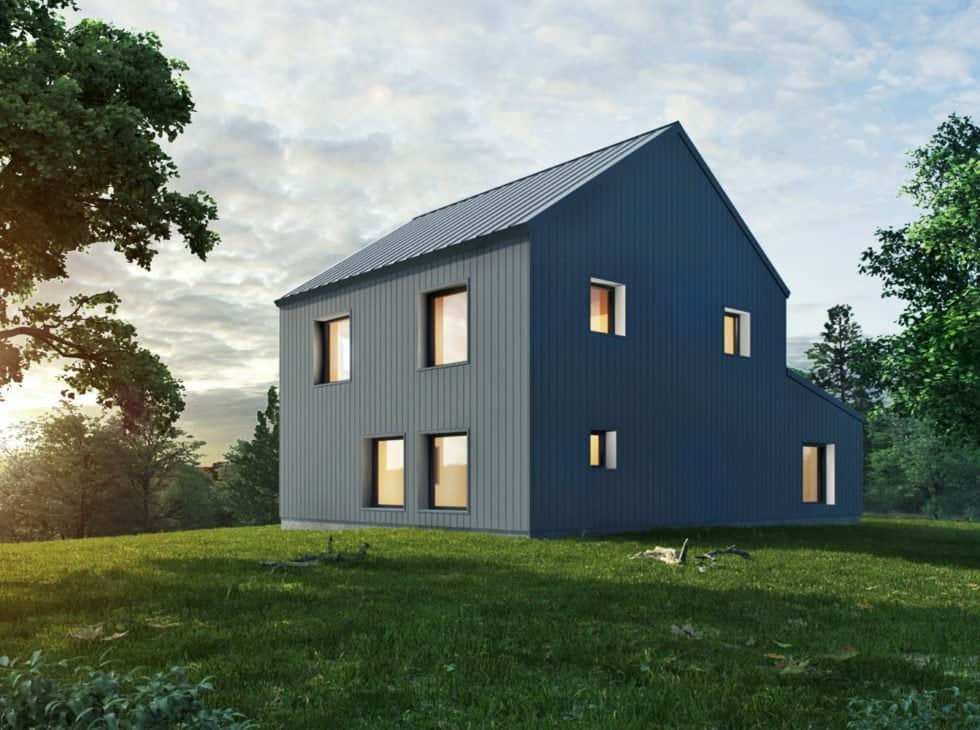
There are three main components to consider when designing a passive building for colder climates: insulation, airtightness, and heat recovery ventilation. These elements work together to reduce heat loss and maintain a comfortable indoor temperature.
Insulation and Airtightness
Effective insulation is crucial in passive buildings, especially in colder regions. The right insulation materials for passive homes can significantly reduce heat loss and improve energy efficiency. Along with insulation, ensuring airtightness is equally important to prevent drafts and cold air infiltration.
Heat Recovery Ventilation
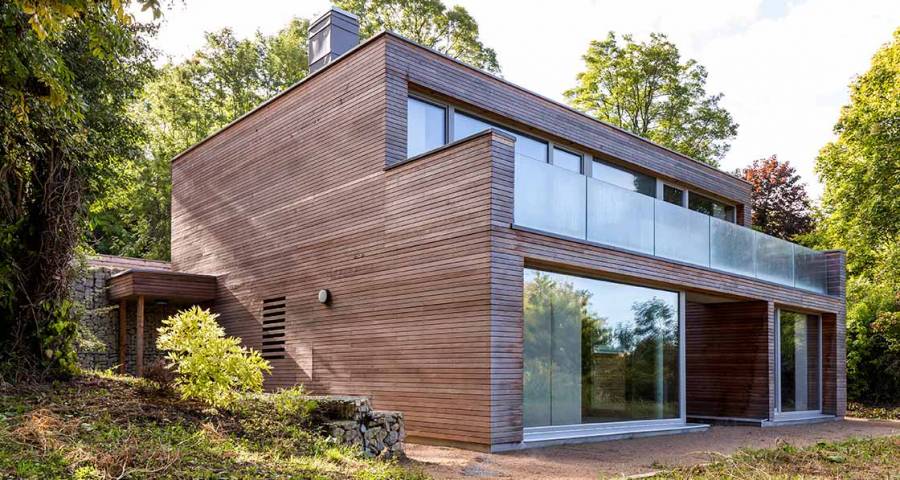
Heat recovery ventilation is another key feature of passive homes in cold climates. This system recovers heat from exhaust air and uses it to pre-heat incoming fresh air, thus maintaining a warm and comfortable indoor environment.
Benefits of Passive Building in Cold Climates
Passive buildings offer numerous benefits, particularly in cold climates. They provide superior comfort, reduce energy consumption, and contribute to sustainability. For a deeper understanding of these benefits, you can explore this comprehensive guide on what passive houses are.
As we conclude, it’s important to note that while passive building in cold climates requires careful planning and design, the benefits are well worth the effort. To enhance your passive building experience, consider products like a dustproof solar charger and tools to stay warm off-grid easily.