
Designing a kitchen that supports smooth movement and logical task flow is essential for both everyday use and larger gatherings. A well-planned layout can save time, reduce frustration, and make the most of your available space. This kitchen remodeling workflow layout guide offers practical strategies to help you create a kitchen that’s not only beautiful but also highly functional.
Whether you’re starting from scratch or updating an existing space, understanding how workflow impacts kitchen design is key. By focusing on zones, traffic patterns, and the placement of major elements, you can achieve a layout that feels intuitive and efficient. For those interested in achieving a visually harmonious space as well, consider exploring kitchen remodeling visual balance tips for additional design guidance.
Understanding Workflow in Kitchen Design
The concept of workflow in kitchen design refers to the way people move through and interact with the space while preparing food, cooking, cleaning, and storing items. An efficient workflow minimizes unnecessary steps and keeps everything within easy reach. This approach is often called the “work triangle,” but modern kitchens may use multiple zones for even better results.
Key workflow considerations include:
- Logical placement of appliances, sink, and prep areas
- Clear, unobstructed pathways between zones
- Easy access to storage and frequently used tools
- Minimizing cross-traffic to avoid congestion
Essential Zones for Efficient Kitchen Layouts
Organizing your kitchen into functional zones is a proven way to enhance workflow. Each zone should support a specific activity and be equipped with the necessary tools and storage. Here are the primary zones to consider in any kitchen remodeling workflow layout guide:
- Prep Zone: Counter space near the sink and refrigerator for chopping, mixing, and assembling ingredients.
- Cooking Zone: The area around the stove or cooktop, ideally with easy access to pots, pans, utensils, and spices.
- Cleaning Zone: Centered on the sink and dishwasher, with nearby storage for cleaning supplies and waste bins. For more ideas on optimizing this area, see kitchen remodeling cleaning zone layout ideas.
- Storage Zone: Cabinets and pantry spaces for dry goods, cookware, and small appliances.
- Serving/Eating Zone: Breakfast bars, islands, or dining nooks for plating and enjoying meals.
Popular Layouts That Support Workflow
Choosing the right layout is fundamental to achieving an efficient kitchen. Here are some common configurations and how they support workflow:
- Galley Kitchen: Two parallel counters create a compact, efficient work triangle. Ideal for smaller spaces and single-cook households.
- L-Shaped Kitchen: Counters on two adjoining walls offer flexibility and open up the space for multiple users.
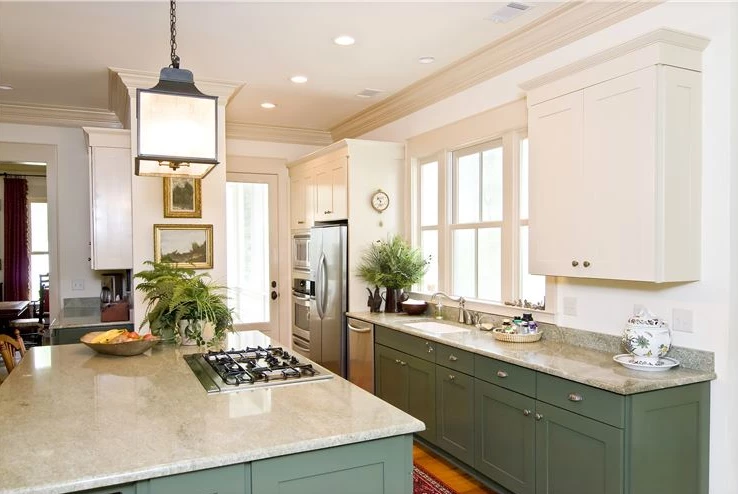
- U-Shaped Kitchen: Three walls of cabinets and appliances maximize storage and create clear zones for prep, cooking, and cleaning.
- Island Kitchen: An island adds extra workspace and can serve as a prep, cooking, or serving zone. It also helps direct traffic flow.
When planning your remodel, consider which layout best fits your space and lifestyle. For more insight into cohesive design planning, you may find the kitchen remodeling style planning guide helpful.
Optimizing Appliance and Fixture Placement
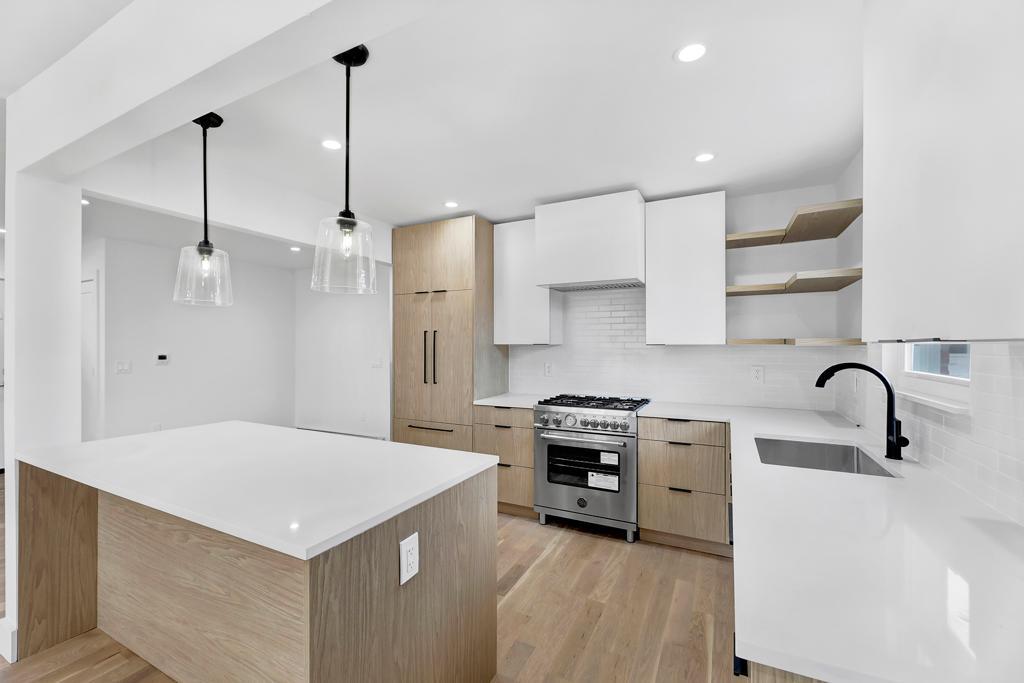
Strategic placement of appliances and fixtures is at the heart of any effective workflow. Here are some guidelines to follow:
- Sink: Position between the stove and refrigerator for easy prep and cleanup.
- Refrigerator: Place near the entrance or prep area for quick access to ingredients.
- Stove: Keep close to the prep zone but away from high-traffic paths to reduce accidents.
- Dishwasher: Install next to the sink for efficient dish handling.
- Microwave: Consider under-counter or island placement to save counter space and improve accessibility.
Don’t forget about lighting and hardware. Quality fixtures and well-chosen cabinet pulls can make a big difference in both usability and aesthetics. For more on hardware selection, check out this kitchen remodeling hardware style guide.
Traffic Flow and Safety Considerations
Efficient workflow isn’t just about where things are placed—it’s also about how people move through the kitchen. Here are some tips to ensure smooth traffic flow:
- Maintain at least 42 inches of clearance in walkways for single-cook kitchens, and 48 inches for multi-cook spaces.
- Keep the main work triangle free from through-traffic to prevent interruptions.
- Use islands or peninsulas to direct movement and separate work zones from gathering areas.
- Ensure that appliance doors and drawers can open fully without blocking paths.
Safety is also a priority. Place cooktops away from entry points, and avoid sharp corners on counters and islands.
Integrating Hidden Appliances and Storage Solutions
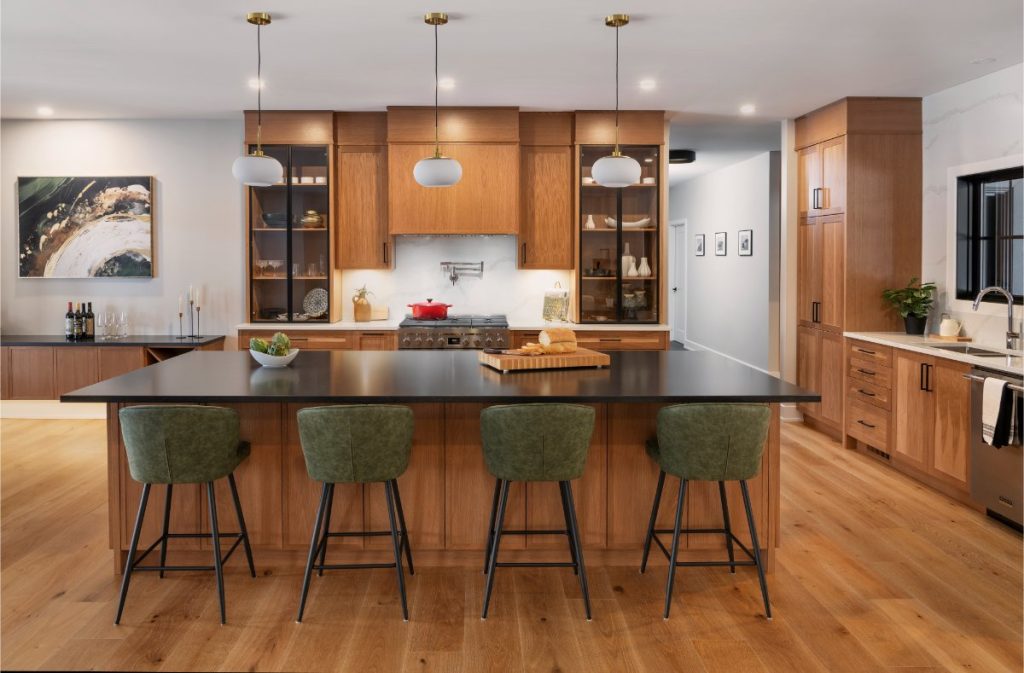
Modern kitchens often incorporate hidden appliances and clever storage to maintain a streamlined look and support efficient workflow. Consider:
- Pull-out pantries and deep drawers for easy access to ingredients and cookware
- Appliance garages to keep small appliances out of sight but within reach
- Built-in trash and recycling bins near prep and cleaning zones
- Panel-ready dishwashers and refrigerators to blend with cabinetry
For more inspiration on integrating hidden features, see these kitchen remodeling hidden appliance ideas.
Planning for Lighting and Electrical Needs
Good lighting is essential for both safety and efficiency. Layer your lighting to cover all zones:
- Ambient lighting: Overhead fixtures or recessed lights for general illumination
- Task lighting: Under-cabinet lights for prep and cooking areas
- Accent lighting: Pendant lights over islands or dining spaces for visual interest
Don’t forget to plan for ample outlets in convenient locations, especially near prep and cooking zones. This will keep your workflow smooth and your counters clutter-free.
Step-by-Step Workflow Planning Process
To put these ideas into action, follow this step-by-step process:
- Assess your current kitchen’s strengths and pain points.
- Identify your most frequent tasks and the tools you use for each.
- Sketch your space and experiment with different layouts, focusing on workflow zones.
- Plan appliance and fixture placement to minimize unnecessary movement.
- Incorporate storage and lighting solutions that support each zone.
- Consult with a professional designer or contractor for expert input and code compliance.
For a detailed breakdown of the remodeling process, check out this step-by-step kitchen remodel guide from The Spruce.
Frequently Asked Questions
What is the most efficient kitchen layout for workflow?
The most efficient layout depends on your space and needs, but U-shaped and L-shaped kitchens with well-defined zones often provide excellent workflow. Galley kitchens are also highly efficient for smaller spaces.
How do I avoid traffic jams in my kitchen?
Keep main work areas out of high-traffic paths, allow for at least 42 inches of clearance in walkways, and use islands or peninsulas to direct movement. Proper planning of zones and appliance placement helps prevent congestion.
What are some tips for maximizing storage in a workflow-focused kitchen?
Use deep drawers, pull-out shelves, and vertical storage to keep essentials within reach. Integrate hidden appliances and consider appliance garages to reduce countertop clutter while maintaining easy access.