Creating a productive and attractive workspace is a significant investment for any business. Whether you’re expanding, relocating, or renovating, following office buildout best practices can help ensure your project is completed on time, within budget, and with minimal disruption. A well-executed buildout not only enhances employee satisfaction but also supports your company’s growth and operational needs.
Before diving into construction, it’s essential to understand the key steps and strategies that drive successful outcomes. This guide will walk you through crucial phases, from planning and budgeting to design choices and project management. Along the way, you’ll find actionable tips and expert insights to help you avoid common pitfalls and achieve your vision.
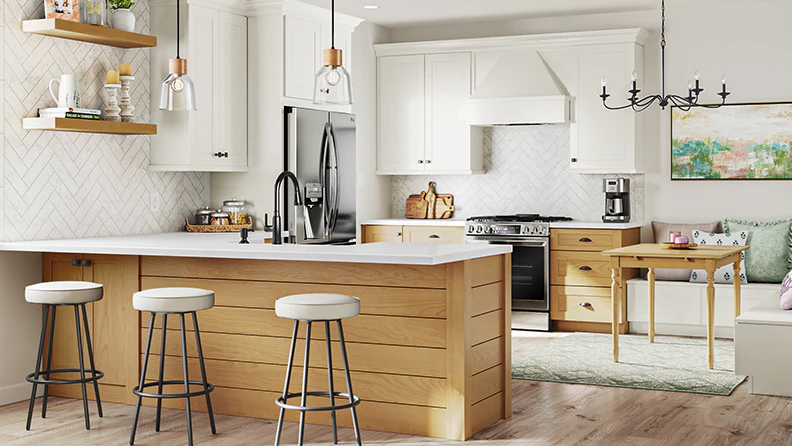
For those interested in optimizing other areas of their business environment, you might also find value in exploring kitchen remodeling space optimization tips for inspiration on maximizing efficiency in compact spaces.
Strategic Planning: The Foundation of a Successful Project
Every effective office transformation starts with thorough planning. Begin by defining your goals: Are you aiming to accommodate more staff, improve collaboration, or update your brand image? Setting clear objectives helps guide every decision, from layout to finishes.
- Assess your current and future needs: Consider anticipated growth, technology requirements, and workflow changes.
- Engage stakeholders early: Involve leadership, department heads, and end-users to gather input and build consensus.
- Establish a realistic timeline: Factor in design, permitting, construction, and move-in phases. Allow extra time for unexpected delays.
Documenting these details in a comprehensive project brief will keep everyone aligned and minimize costly changes down the line.
Budgeting and Cost Control for Office Buildouts
Managing expenses is a critical part of any commercial renovation. Start by developing a detailed budget that covers all aspects of the project, including design fees, construction, permits, furniture, and technology upgrades.
- Request multiple bids: Comparing proposals from several contractors can reveal cost-saving opportunities and ensure competitive pricing.
- Plan for contingencies: Set aside 10–15% of your budget for unforeseen issues, such as hidden structural problems or material price increases.
- Track spending regularly: Use project management tools to monitor costs and flag overruns early.
Transparent communication with your contractor and design team is vital for keeping the project on track financially. For more insights on navigating commercial buildouts, see this comprehensive guide to mastering the office build-out process.
Design Considerations: Balancing Functionality and Aesthetics
Thoughtful design is at the heart of a productive office environment. The best approaches to office buildout best practices combine practical layouts with elements that reflect your company culture and support employee well-being.
- Prioritize flexibility: Modular furniture and adaptable spaces accommodate changing needs and team structures.
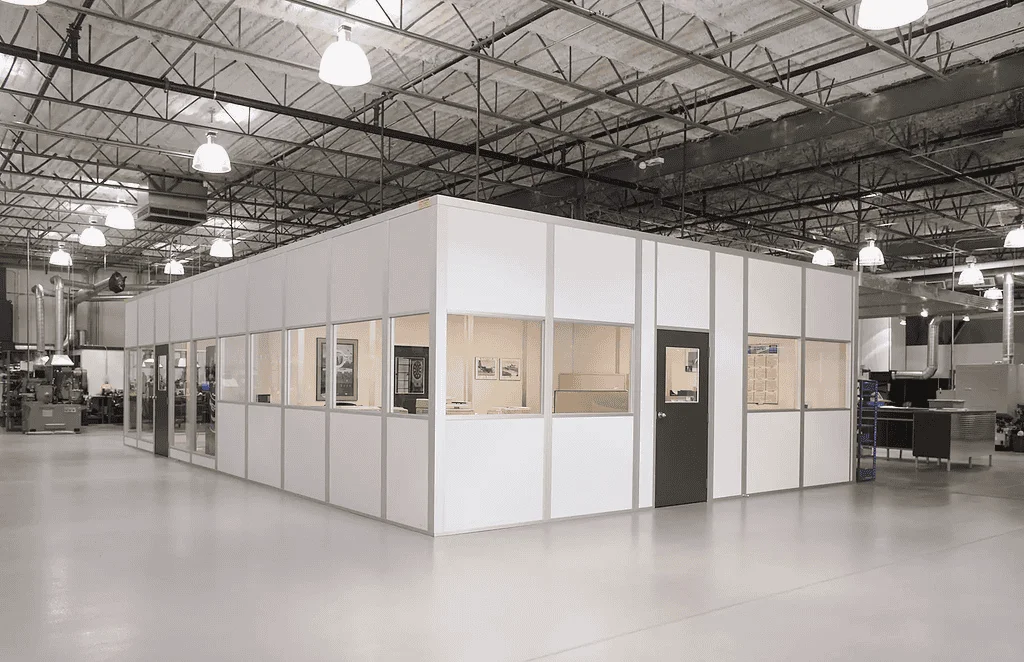
- Maximize natural light: Position workstations near windows and use glass partitions to enhance brightness and openness.
- Incorporate collaborative areas: Designate zones for meetings, brainstorming, and informal interactions to foster teamwork.
- Address acoustics: Use sound-absorbing materials and strategic layouts to minimize distractions and improve focus.
- Consider sustainability: Choose energy-efficient lighting, recycled materials, and eco-friendly finishes to reduce your environmental impact.
Involving employees in the design process can lead to creative solutions and boost morale. For additional inspiration on design elements, you might also explore kitchen remodeling texture design ideas to add visual interest and depth to your workspace.
Project Management: Ensuring Smooth Execution
Effective project management is essential for delivering your office buildout on schedule and within budget. Assign a dedicated project manager or team to oversee coordination, communication, and problem-solving throughout each phase.
- Set clear milestones: Break the project into manageable stages with defined deliverables and deadlines.
- Maintain open communication: Hold regular meetings with contractors, designers, and stakeholders to review progress and address concerns.
- Monitor quality control: Conduct site inspections and verify that work meets specifications and safety standards.
- Document changes: Keep detailed records of any modifications to the original plan to avoid confusion and disputes.
By proactively managing risks and maintaining transparency, you can minimize disruptions and ensure a successful outcome.
Technology Integration and Future-Proofing
Modern offices depend on robust technology infrastructure. Planning for current and future needs is a key part of office buildout best practices. Consider the following:
- Structured cabling: Ensure your space can support high-speed internet, secure networks, and wireless connectivity.
- Smart systems: Integrate automated lighting, climate control, and access management for efficiency and security.
- Scalability: Design with expansion in mind, allowing for easy upgrades as your business grows.
- Remote work readiness: Provide technology and spaces that support hybrid and flexible work arrangements.
Consulting with IT professionals early in the process can help you avoid costly retrofits and ensure seamless operations from day one.
Compliance, Safety, and Accessibility
Adhering to local building codes, safety regulations, and accessibility standards is non-negotiable. Work closely with your contractor and architect to ensure:
- Permits and inspections: Obtain all necessary approvals before construction begins and schedule required inspections throughout the project.
- ADA compliance: Design entrances, restrooms, and workspaces to be accessible to all employees and visitors.
- Fire safety: Install appropriate alarms, sprinklers, and emergency exits as required by law.
- Health considerations: Use low-VOC materials and provide adequate ventilation to promote indoor air quality.
Staying proactive on compliance helps avoid delays, fines, and potential legal issues.
Move-In and Post-Project Evaluation
As construction wraps up, plan a smooth transition for your team. Schedule a phased move-in if possible, and provide clear communication about timelines and expectations. After settling in, gather feedback from employees to identify areas for improvement and ensure the space meets your operational needs.
Conducting a post-occupancy evaluation allows you to measure the success of your buildout and apply lessons learned to future projects. This continuous improvement mindset is a hallmark of organizations that consistently deliver high-performing work environments.
Frequently Asked Questions
What is the typical timeline for an office buildout?
The duration varies based on project size and complexity, but most office renovations take between three and six months from planning to move-in. Factors such as permitting, design changes, and supply chain delays can impact the schedule.
How can I control costs during my office renovation?
Develop a detailed budget, request multiple contractor bids, and set aside a contingency fund. Regularly track expenses and communicate openly with your project team to address issues before they escalate.
What are the most important factors for a productive office layout?
Prioritize natural light, flexible workspaces, collaborative zones, and good acoustics. Involving employees in the design process can help ensure the space supports their needs and enhances overall productivity.