
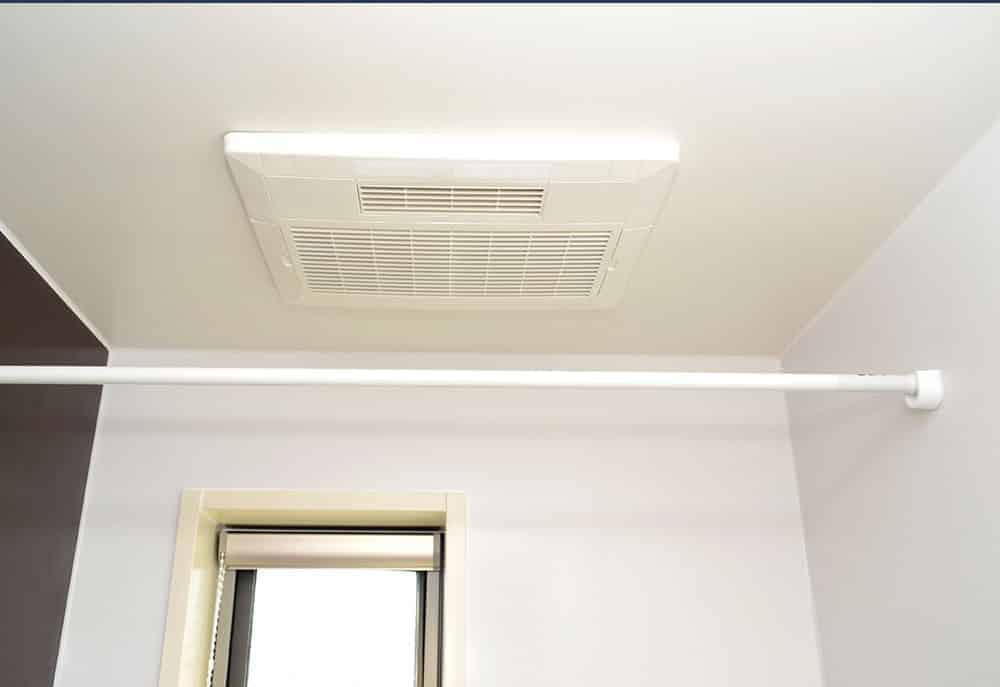

Modern homes are becoming increasingly airtight, making indoor air quality and effective ventilation more important than ever. Smart home ventilation technologies offer solutions that balance energy efficiency, comfort, and health. These systems use intelligent controls, sensors, and automation to manage airflow, remove pollutants, and maintain optimal humidity levels. Whether you’re building a new home or upgrading an existing one, understanding the latest advancements in ventilation can help you create a healthier living environment.
Integrating advanced ventilation solutions is especially valuable in spaces like kitchens, where cooking can introduce moisture and odors. For inspiration on optimizing kitchen spaces, explore kitchen remodeling compact kitchen ideas to see how design and technology can work together for better air quality and functionality.
Why Intelligent Ventilation Matters
Traditional ventilation systems often run on simple timers or manual switches, which can lead to wasted energy or insufficient air exchange. In contrast, smart ventilation solutions use sensors to monitor air quality, humidity, and occupancy, adjusting airflow as needed. This approach offers several benefits:
- Improved indoor air quality by removing pollutants, allergens, and excess moisture.
- Energy savings through demand-based operation and integration with HVAC systems.
- Enhanced comfort by maintaining consistent temperature and humidity levels.
- Remote control and automation via smartphone apps or voice assistants.
These advantages make intelligent ventilation a key component of any modern, energy-efficient home.
Types of Advanced Ventilation Systems
There are several categories of smart home ventilation technologies available today. Each type is designed to address specific needs and can be integrated with other smart home devices for seamless operation.
Whole-House Ventilation Systems
Whole-house systems provide balanced airflow throughout the home. They often use heat recovery ventilators (HRVs) or energy recovery ventilators (ERVs) to exchange stale indoor air with fresh outdoor air while minimizing energy loss. Many models now feature smart controls that optimize performance based on real-time data.

Some smart whole-house fans can be scheduled or triggered by air quality sensors, ensuring optimal ventilation only when needed. This not only keeps the air fresh but also reduces unnecessary energy use.
Room-Specific Ventilation Solutions
In areas like bathrooms and kitchens, targeted ventilation is crucial for removing moisture and odors. Modern exhaust fans now come with smart features such as humidity sensors, timers, and app-based controls. These fans can automatically activate when humidity rises, preventing mold and maintaining comfort.
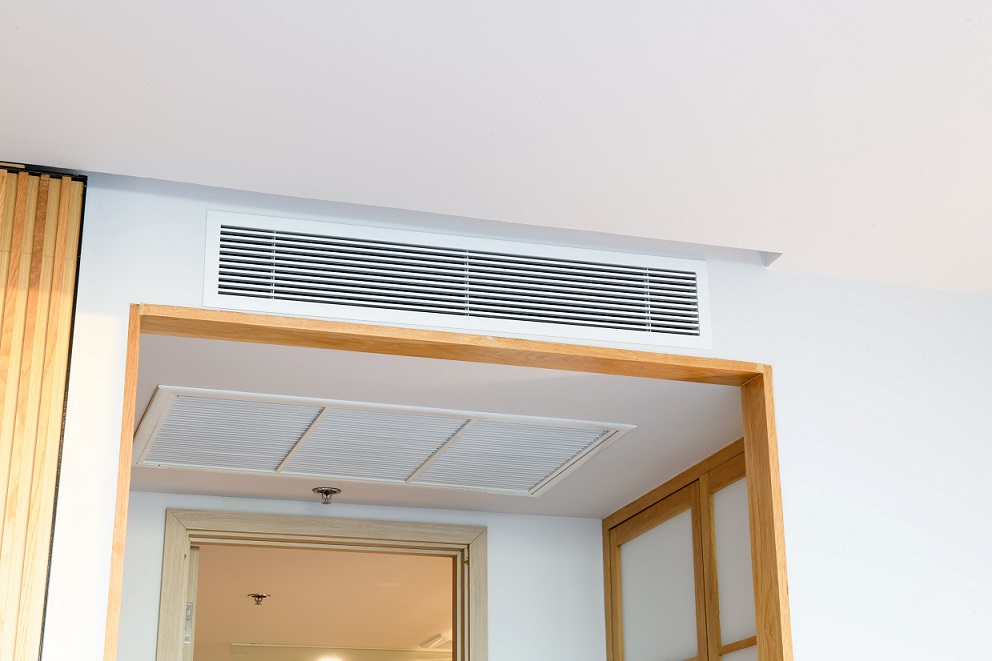
Some advanced models even integrate with smart home platforms, allowing you to set routines or receive alerts when maintenance is required. This level of automation ensures that critical areas always have proper ventilation without manual intervention.
Air Filtration and Purification Add-Ons
Beyond ventilation, air filtration is a growing trend in smart homes. Standalone or integrated filtration units can remove dust, pollen, and other airborne particles. Many smart air purifiers connect to home networks, providing real-time air quality readings and automatic adjustments. This is especially beneficial for allergy sufferers and families with pets.
Combining filtration with ventilation ensures that not only is stale air removed, but the incoming air is also clean and healthy. Some systems even offer HEPA or activated carbon filters for enhanced purification.
Key Features to Look For
When evaluating smart home ventilation technologies, consider these important features:
- Sensor integration: Look for systems with CO2, VOC, humidity, or occupancy sensors for responsive operation.
- App and voice control: Many modern systems can be managed via smartphone apps or voice assistants for convenience.
- Energy efficiency: Features like variable speed motors and heat recovery can significantly reduce energy consumption.
- Scheduling and automation: The ability to set routines or automate based on sensor input maximizes both comfort and efficiency.
- Compatibility: Ensure your ventilation system works with your existing smart home ecosystem for seamless integration.
Installation and Maintenance Tips
Proper installation is crucial for getting the most out of your smart ventilation system. Here are some practical tips:
- Work with a qualified HVAC professional to ensure correct sizing and placement of vents and fans.
- Regularly clean or replace filters to maintain air quality and system efficiency.
- Test sensors periodically to confirm accurate readings and reliable automation.
- Update firmware and apps as needed to benefit from new features and security improvements.
Routine maintenance not only extends the life of your system but also ensures that your indoor environment remains healthy and comfortable.
Integrating Ventilation with Other Smart Home Systems
One of the strengths of modern ventilation solutions is their ability to work alongside other smart devices. For example, you can link ventilation to your heating and cooling system, so fans operate only when needed. Some platforms allow you to create routines—such as increasing airflow when cooking or after a shower.
Integrating with smart thermostats or air quality monitors can further optimize performance. For more details on how to create a comprehensive ventilation plan, see this comprehensive guide to home ventilation that covers best practices and system types.
Choosing the Right Solution for Your Home
The best smart ventilation setup depends on your home’s size, layout, and specific needs. Consider the following when making your choice:
- For larger homes, a whole-house system with smart controls offers balanced and energy-efficient airflow.
- In apartments or smaller spaces, room-specific fans with smart features may be sufficient.
- Homes in areas with high outdoor pollution may benefit from advanced filtration integrated with ventilation.
- Look for solutions that can grow with your home, allowing you to add sensors or connect to new platforms over time.
Consulting with an HVAC expert can help you design a system that meets both your current and future needs.
Frequently Asked Questions
How do smart ventilation systems improve indoor air quality?
Smart ventilation systems use sensors to monitor air quality, humidity, and occupancy. They automatically adjust airflow to remove pollutants and excess moisture, ensuring a healthier indoor environment without wasting energy.
Can I retrofit my existing home with smart ventilation technology?
Yes, many smart ventilation products are designed for retrofit applications. Options include smart exhaust fans, air quality monitors, and standalone air purifiers that can be integrated with existing HVAC systems or used independently.
Are these systems compatible with voice assistants and smart home platforms?
Most modern smart ventilation solutions offer compatibility with popular smart home ecosystems, including Alexa, Google Assistant, and Apple HomeKit. This allows for voice control, automation, and integration with other devices such as thermostats and sensors.


