
Office buildout value engineering is a practical approach used to maximize the efficiency and effectiveness of commercial office construction projects. By focusing on cost-saving strategies without sacrificing quality or functionality, this process helps businesses create workspaces that meet their needs and budget. Whether you’re planning a new office, renovating an existing space, or managing a tenant improvement project, understanding value engineering can lead to smarter decisions and better outcomes.
If you’re interested in optimizing other areas of your property, you might also find these kitchen remodeling space optimization tips helpful for maximizing small spaces.
This article breaks down the essentials of value engineering for office buildouts, outlines the benefits, and provides actionable steps for business owners, facility managers, and project teams.
What Is Value Engineering in Office Buildouts?
Value engineering is a systematic method used in construction and design to improve the value of a project by analyzing its functions and finding ways to reduce costs while maintaining or enhancing performance and quality. In the context of office buildouts, this means evaluating every aspect of the design, materials, and construction methods to identify opportunities for savings and efficiency.
The process typically begins early in the planning phase and continues throughout the project. Teams work collaboratively to assess options, compare alternatives, and make informed decisions that align with both the project’s goals and budget.
Why Value Engineering Matters for Office Construction
Applying value engineering to office construction projects offers several advantages:
- Cost Savings: By identifying less expensive materials or alternative construction methods, you can reduce overall project expenses.
- Improved Functionality: The process ensures that the space meets your operational needs, sometimes even enhancing workflow or comfort.
- Quality Assurance: Rather than simply cutting costs, value engineering focuses on maintaining or improving quality and performance.
- Sustainability: Selecting energy-efficient systems and sustainable materials can lower long-term operating costs and environmental impact.
- Risk Reduction: Early identification of potential issues helps avoid costly changes or delays later in the project.
For more insights on how contractors approach these projects, you can read this detailed overview of office build-out contractors.
Key Steps in the Value Engineering Process
A successful value engineering process for office fit-outs involves several structured steps:
-
Define Project Goals and Requirements:
Start by clarifying the objectives for the office space. What are the must-have features? What are the budget constraints? Understanding these factors sets the foundation for all decisions.
-
Analyze Functions and Costs:
Break down the project into its core components—walls, flooring, lighting, HVAC, furnishings, and more. Evaluate the purpose and cost of each element.
-
Brainstorm Alternatives:
Gather input from architects, contractors, engineers, and stakeholders to generate alternative solutions. For example, could modular walls replace traditional drywall? Are there more affordable finishes that still look professional?
-
Evaluate and Select Options:
Compare the alternatives based on cost, durability, aesthetics, and impact on workflow. Select the options that provide the best balance of value and quality.
-
Implement and Monitor:
Incorporate the chosen solutions into the project plan. Monitor progress and costs throughout construction to ensure the intended benefits are realized.
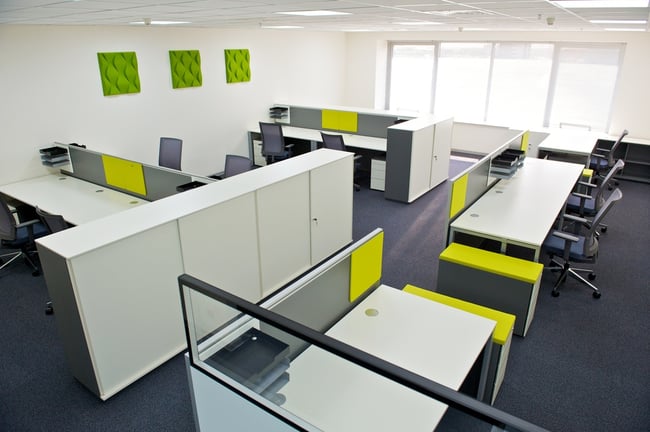
Common Areas for Value Engineering in Office Spaces
There are several areas in office construction where value engineering can make a significant impact:
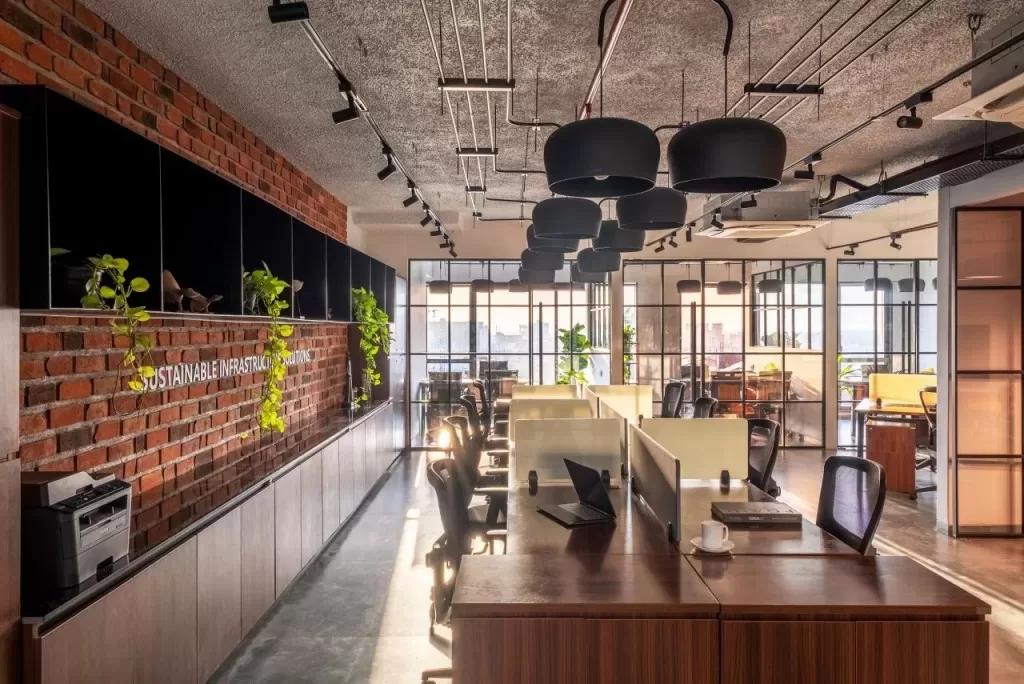
- Interior Walls and Partitions: Consider using demountable or modular wall systems, which can be more cost-effective and flexible for future changes.
- Lighting: Switching to LED lighting and optimizing natural light can reduce energy costs and improve employee comfort.
- Flooring: Evaluate durable, easy-to-maintain flooring options that offer a good balance between price and longevity.
- HVAC Systems: Upgrading to energy-efficient heating and cooling systems can lower long-term utility bills.
- Finishes and Fixtures: Select finishes that are attractive but not unnecessarily expensive; sometimes mid-range options provide the best value.
The key is to focus on solutions that support your business needs while keeping costs under control.
Best Practices for Successful Office Buildout Value Engineering
To get the most out of value engineering, consider these best practices:
- Engage Stakeholders Early: Involve decision-makers, end-users, and your project team from the start to ensure all needs are considered.
- Work with Experienced Professionals: Choose contractors and designers familiar with value engineering in office environments.
- Prioritize Flexibility: Design spaces that can adapt to future changes in staffing, technology, or workflow.
- Document Decisions: Keep a clear record of alternatives considered and the reasons for final choices.
- Monitor Progress: Regularly review costs and construction progress to ensure the project stays on track and delivers the expected value.
Potential Challenges and How to Overcome Them
While value engineering offers many benefits, it’s important to be aware of potential pitfalls:
- Overemphasis on Cost: Focusing solely on the lowest price can lead to poor quality or missed opportunities for better solutions.
- Delays in Decision-Making: Extensive analysis can slow down the project if not managed efficiently.
- Stakeholder Disagreements: Differing priorities among team members can complicate the process.
To avoid these issues, maintain open communication, set clear priorities, and ensure all decisions are aligned with the overall project goals.
Frequently Asked Questions
What is the main goal of value engineering in office construction?
The primary objective is to optimize the balance between cost, quality, and functionality. This involves analyzing every aspect of the project to identify ways to reduce expenses without compromising the workspace’s effectiveness or durability.
When should value engineering be introduced in an office buildout?
It’s most effective when started early in the planning and design phases. Early involvement allows for more flexibility in making changes and ensures that cost-saving opportunities are not missed.
Can value engineering affect the long-term performance of an office space?
When done correctly, value engineering should maintain or even enhance the long-term performance of the office. The focus is on smart choices, not just cheaper alternatives, so the workspace remains functional, comfortable, and adaptable over time.
Conclusion
Office buildout value engineering is a powerful tool for businesses seeking to create efficient, cost-effective, and high-quality work environments. By following a structured process, engaging the right professionals, and focusing on both immediate and long-term needs, organizations can achieve spaces that support their goals and budgets. Whether you’re planning a new office or updating an existing one, applying these principles can help you get the most value from your investment.