
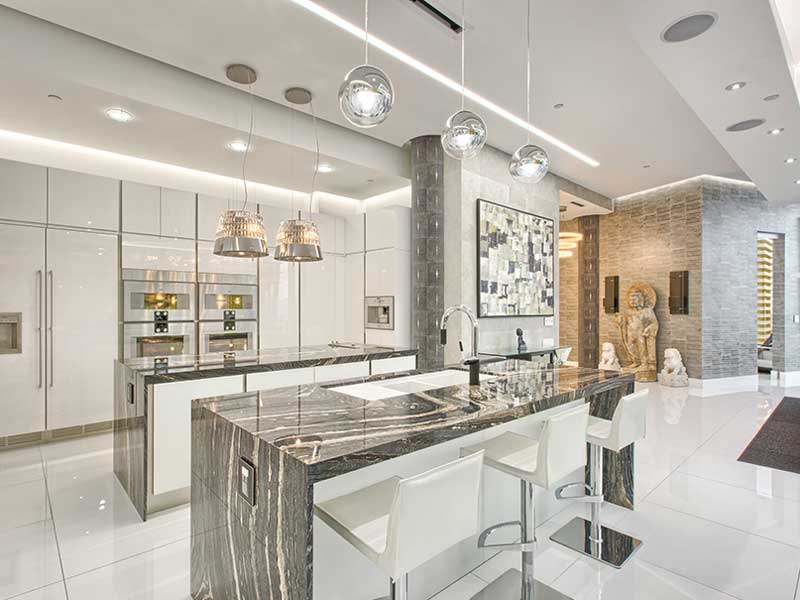

Choosing the right materials is the cornerstone of any successful kitchen renovation. The surfaces, finishes, and fixtures you select will determine not only the look and feel of your space, but also its longevity and ease of maintenance. This kitchen remodeling material selection guide is designed to help homeowners, designers, and contractors make informed decisions that balance style, durability, and budget.
From countertops and cabinetry to flooring and backsplashes, every element in your kitchen faces daily wear and tear. By understanding the strengths and weaknesses of popular materials, you can create a kitchen that stands up to years of cooking, cleaning, and gathering. For those working with limited square footage, consider exploring kitchen remodeling space optimization tips to maximize both function and style.
Understanding the Importance of Material Choices
Every kitchen remodel involves a series of decisions, but few are as impactful as the selection of materials. The right choices can ensure your kitchen remains beautiful and functional for years, while poor selections may lead to premature wear, higher maintenance costs, or even safety concerns. This guide will walk you through the most critical surfaces and fixtures, highlighting what to look for when prioritizing durability and style.
Countertops: Balancing Beauty and Resilience
Countertops are the workhorses of any kitchen. They must withstand heat, moisture, sharp utensils, and frequent cleaning. Here are some top options to consider:
- Quartz: Engineered quartz is non-porous, highly resistant to stains and scratches, and available in a wide range of colors and patterns. It’s a low-maintenance favorite for busy households.
- Granite: Natural granite offers unique veining and excellent durability. It does require periodic sealing to maintain its resistance to stains and bacteria.
- Solid Surface: Materials like Corian are seamless and repairable, but may scratch or scorch more easily than stone.
- Laminate: Budget-friendly and available in many designs, modern laminates are more durable than ever but can be susceptible to heat and knife damage.
For more inspiration on integrating countertops with other design elements, you might find these top kitchen remodel ideas helpful.
Cabinetry: Selecting Long-Lasting Construction and Finishes
Cabinets define the storage and style of your kitchen. When reviewing options, focus on both the construction method and the finish:
- Solid Wood: Offers classic appeal and strength, but can be sensitive to humidity changes.
- Plywood: A high-quality alternative to solid wood, plywood boxes are stable and durable.
- MDF (Medium Density Fiberboard): Smooth and affordable, MDF is often used for painted finishes but is less resilient to moisture.
- Thermofoil: A vinyl wrap over MDF, thermofoil cabinets are easy to clean but can peel if exposed to heat or steam.
Consider the finish as well—painted cabinets offer color flexibility, while stained wood highlights natural grain. For a fresh look, explore cabinet color ideas that can transform your kitchen’s atmosphere.
Flooring Options for a Durable Kitchen
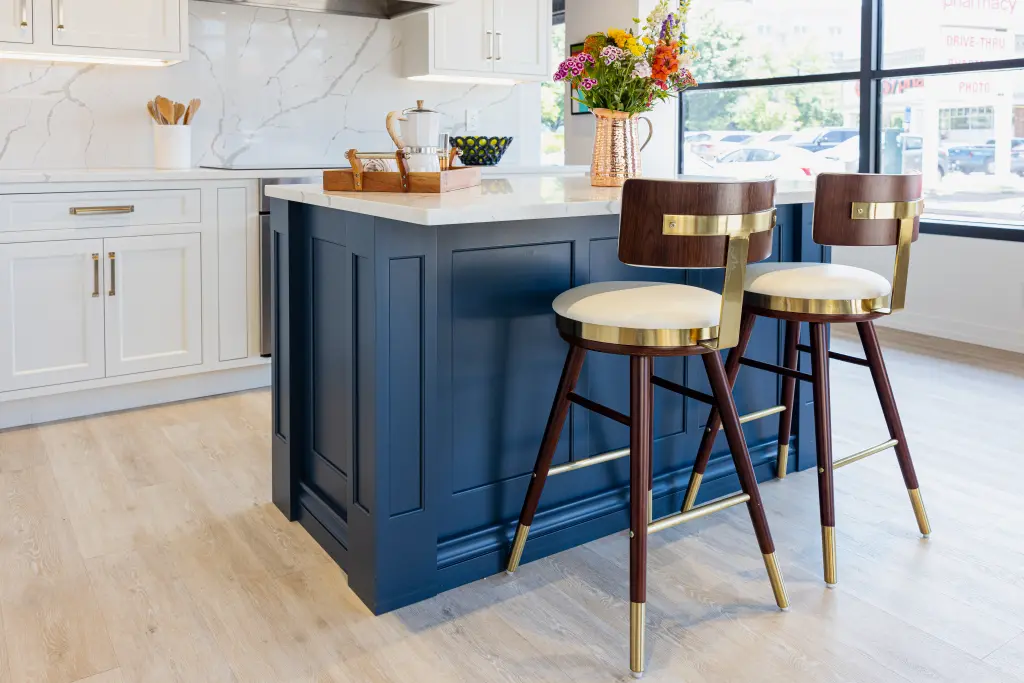
Kitchen floors must handle spills, dropped utensils, and heavy foot traffic. When evaluating flooring, prioritize water resistance, slip resistance, and ease of cleaning:
- Porcelain Tile: Extremely durable, water-resistant, and available in countless styles. Grout lines may require periodic cleaning.
- Luxury Vinyl Plank (LVP): Mimics the look of wood or stone, is softer underfoot, and resists moisture and scratches.
- Engineered Hardwood: Offers the beauty of wood with improved moisture resistance compared to solid hardwood, but still requires care to avoid water damage.
- Natural Stone: Timeless and unique, but may require sealing and can be slippery when wet.
For those interested in adding tactile interest, check out texture design ideas that pair well with durable flooring choices.
Backsplashes and Wall Treatments
Backsplashes protect your walls from splashes and stains while offering an opportunity to introduce color, pattern, or texture. Popular options include:
- Ceramic or Porcelain Tile: Easy to clean and available in endless styles, from classic subway tiles to bold mosaics.
- Glass Tile: Reflects light and adds a modern touch, but may show smudges more easily.
- Stone Slab: Using the same material as your countertop creates a seamless, high-end look.
- Metal Panels: Stainless steel or copper can add an industrial or contemporary vibe and are easy to wipe down.
For a striking focal point, consider accent wall ideas that complement your backsplash and cabinetry.
Fixtures and Hardware: Small Details, Big Impact
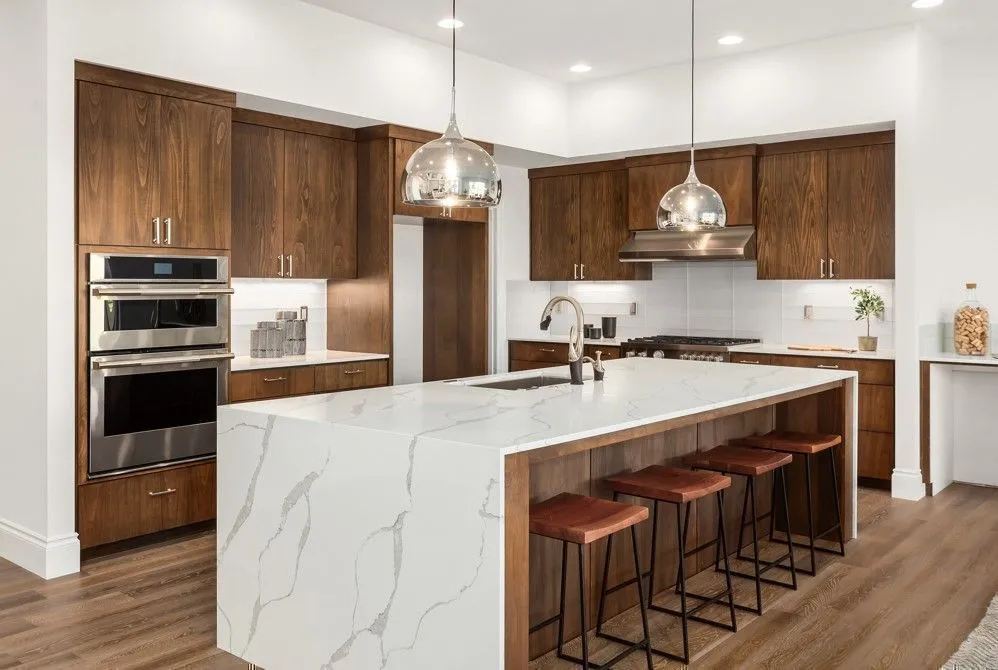
Even the most durable surfaces can be undermined by poor-quality fixtures. When selecting faucets, lighting, and hardware, look for finishes that resist tarnishing and corrosion. Brushed nickel, matte black, and stainless steel are popular for their resilience and timeless appeal. For lighting, opt for LED fixtures that provide bright, energy-efficient illumination and can withstand the heat and humidity of a kitchen environment.
For more guidance on creating a harmonious look, see these visual balance tips for kitchen design.
Tips for a Cohesive and Enduring Kitchen Design
- Mix and Match Thoughtfully: Combine materials with different textures and tones for visual interest, but keep the palette cohesive.
- Prioritize High-Traffic Zones: Invest in the most durable materials for countertops, flooring, and cabinet doors.
- Consider Maintenance: Choose surfaces that are easy to clean and maintain, especially if you have a busy household.
- Think Long-Term: Trends come and go, but classic materials in neutral tones tend to age gracefully.
FAQ: Kitchen Material Selection and Remodeling
What is the most durable countertop material for kitchens?
Quartz and granite are both highly durable choices. Quartz is non-porous and resists stains and scratches, while granite offers natural beauty and strength but requires periodic sealing.
How do I choose the best flooring for a high-traffic kitchen?
Look for materials like porcelain tile or luxury vinyl plank, which are water-resistant, easy to clean, and can handle heavy use. Engineered hardwood is another option, but it requires more care to avoid water damage.
Are there budget-friendly materials that are still durable?
Yes, modern laminates for countertops and luxury vinyl plank for flooring offer excellent durability at a lower price point. Plywood cabinetry is also a cost-effective and sturdy choice.
How can I add visual interest without sacrificing durability?
Incorporate a mix of textures and finishes, such as pairing stone countertops with a tile backsplash or using accent walls. For more ideas, explore texture design ideas for kitchens.
By following the advice in this kitchen remodeling material selection guide, you can create a kitchen that not only looks stunning but also stands up to the demands of daily life. Thoughtful material choices will help your renovation investment last for years, providing a space that’s both beautiful and practical.


