


Managing humidity is essential for maintaining a healthy and comfortable indoor environment, especially in areas prone to excess moisture such as bathrooms, kitchens, laundry rooms, and basements. Without proper airflow, these spaces can quickly become breeding grounds for mold, mildew, and structural damage. Effective ventilation for moisture-heavy rooms not only protects your property but also supports better indoor air quality and overall well-being.
Whether you’re planning a renovation or looking to resolve persistent dampness, understanding the right strategies and solutions for air exchange is key. This article will guide you through the best practices, systems, and products for controlling humidity and ensuring fresh air circulation in the most challenging areas of your home.
For those tackling kitchen upgrades, you may also find value in kitchen remodeling space optimization tips to maximize airflow and efficiency in compact spaces.
Why Moisture Control Matters in High-Humidity Spaces
Rooms with frequent water use or poor airflow are at risk for a range of issues. Excess humidity can lead to:
- Mold and mildew growth, which can trigger allergies and respiratory problems
- Warping, peeling, or rotting of building materials
- Unpleasant odors and persistent dampness
- Reduced effectiveness of insulation and increased energy costs
Addressing these problems starts with understanding the sources of moisture and implementing reliable air exchange solutions tailored to each room’s needs.
Types of Ventilation Systems for Damp Environments
There are several approaches to improving airflow and reducing humidity in moisture-prone areas. The right choice depends on the room’s size, usage, and existing infrastructure. Here are the most effective options:
Natural Ventilation Techniques
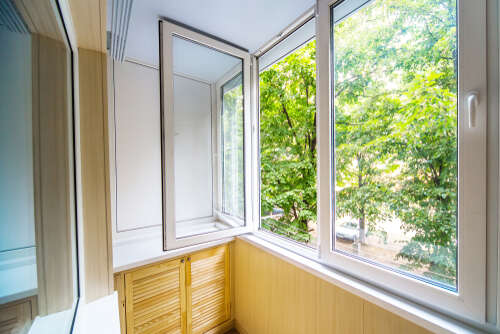
Opening windows and doors is the simplest way to promote air movement. Cross-ventilation, where air enters from one side and exits from another, is especially effective in removing moist air. However, this method depends on outdoor conditions and may not be practical year-round.
Mechanical Ventilation Solutions
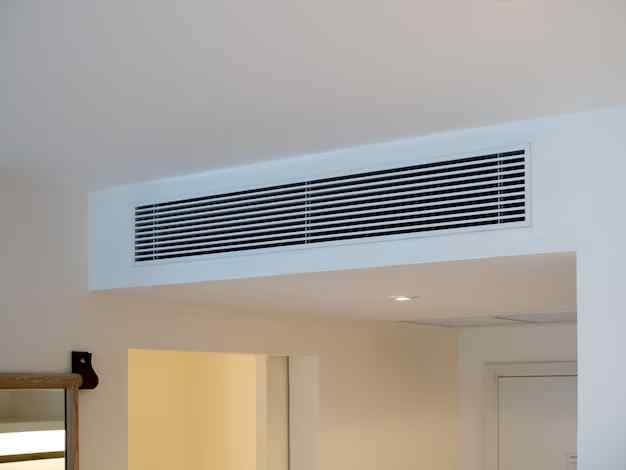
For consistent and controlled ventilation in moisture-heavy rooms, mechanical systems are often necessary. Common options include:
- Exhaust fans in bathrooms and kitchens, which remove humid air directly to the outdoors
- Whole-house fans that draw fresh air through the entire home
- Heat recovery ventilators (HRVs) and energy recovery ventilators (ERVs), which exchange stale indoor air with filtered outdoor air while minimizing energy loss
Mechanical systems are particularly important in modern, airtight homes where natural airflow is limited.
Air Filtration and Dehumidification
In addition to moving air, filtering and drying it can further reduce problems associated with excess moisture. Air filtration kits can trap dust, allergens, and mold spores, while dehumidifiers actively remove water vapor from the air. These tools are especially useful in basements or laundry rooms where humidity can linger even with good airflow.
Best Practices for Airflow in Humid Areas
To maximize the effectiveness of your ventilation strategy, consider these practical tips:
- Install exhaust fans with timers or humidity sensors to ensure they run long enough after showers or cooking
- Keep vents and grilles clean and unobstructed
- Use weather-appropriate window ventilation when possible
- Seal leaks and insulate pipes to prevent condensation
- Regularly check for signs of mold or water damage and address issues promptly
Combining these habits with the right equipment can significantly reduce the risk of moisture-related problems.
Room-by-Room Ventilation Recommendations
Each area with high humidity requires a tailored approach. Here’s how to address the most common problem spots:
| Room | Common Sources of Moisture | Recommended Solutions |
|---|---|---|
| Bathroom | Showers, baths, sinks | Ceiling exhaust fan, window ventilation, moisture-resistant paint |
| Kitchen | Cooking, dishwashing | Range hood, window, whole-house fan, regular cleaning |
| Laundry Room | Washing machine, drying clothes | Exhaust fan, dehumidifier, vented dryer |
| Basement | Ground moisture, poor airflow | Dehumidifier, air filtration, window or mechanical ventilation |
Choosing and Maintaining Ventilation Equipment
When selecting fans, filters, or dehumidifiers, consider the following:
- Choose equipment rated for the room size and moisture level
- Look for energy-efficient models with automatic controls
- Maintain and clean equipment regularly to ensure optimal performance
- Replace filters as recommended by the manufacturer
For more technical information on air movement and system options, explore Daikin’s guide to ventilation technologies.
Additional Tips for Preventing Moisture Problems
- Use bath mats and kitchen rugs to absorb excess water
- Hang wet towels and clothes to dry in well-ventilated areas
- Monitor humidity levels with a hygrometer and aim for 30–50% relative humidity
- Address plumbing leaks and water intrusion immediately
Combining these practices with robust ventilation systems for damp rooms will help maintain a healthier, more comfortable home.
Frequently Asked Questions
What is the ideal humidity level for indoor spaces?
For most homes, a relative humidity between 30% and 50% is recommended. This range helps prevent mold growth, dust mites, and discomfort caused by excessive dampness or dryness.
How often should I run exhaust fans in bathrooms and kitchens?
Exhaust fans should be used during and for at least 15–20 minutes after activities that produce moisture, such as showering or cooking. Some fans have built-in humidity sensors or timers for automatic operation.
Can I use a dehumidifier instead of installing ventilation?
While dehumidifiers help reduce moisture, they do not replace the need for fresh air exchange. Combining both methods provides the best results for controlling humidity and maintaining good air quality.

