
Launching a new business often means creating a workspace that supports growth, collaboration, and productivity. For emerging companies, a well-executed office buildout for startups can set the stage for future success. However, the process involves more than just picking out furniture and paint colors. It requires careful planning, budgeting, and a clear understanding of evolving needs. This article explores practical strategies for designing and executing an efficient office fit-out, with a focus on cost control and adaptability.
As you consider your workspace transformation, it’s helpful to draw inspiration from other areas of design. For example, approaches used in kitchen remodeling space optimization tips can offer valuable lessons in maximizing limited square footage—an essential consideration for many startups.
Why Thoughtful Workspace Planning Matters
For new businesses, every dollar and square foot counts. A well-planned startup office buildout can foster innovation, attract talent, and support company culture. Conversely, poor planning may lead to wasted resources, inefficient layouts, and costly changes down the road. By investing time upfront to define your needs and goals, you can avoid common pitfalls and create a space that grows with your team.
Key Steps in the Office Buildout Process
Embarking on a workspace transformation involves several critical phases. Here’s a breakdown of the most important steps to ensure your project stays on track and within budget:
- Define Your Requirements: Start by identifying your team’s current and future needs. Consider the number of employees, types of workspaces (open areas, private offices, meeting rooms), and any special requirements such as IT infrastructure or accessibility.
- Set a Realistic Budget: Determine how much you can invest in your buildout without straining cash flow. Factor in construction, furniture, technology, permits, and contingency funds for unexpected expenses.
- Select the Right Location: The building you choose will impact everything from layout options to renovation costs. Look for spaces with flexible floor plans, good natural light, and infrastructure that supports your business operations.
- Engage Professionals Early: Architects, designers, and contractors can help translate your vision into practical plans. Their expertise can also help you avoid costly mistakes and ensure code compliance.
- Plan for Flexibility: As your company grows, your space needs may change. Incorporate modular furniture, movable walls, and adaptable layouts to accommodate future shifts without major renovations.
Cost-Saving Strategies for Startup Office Fit-Outs
Managing costs is a top priority for any new business. Here are proven ways to keep your office buildout for startups affordable without sacrificing quality or functionality:
- Prioritize Essentials: Focus on must-have elements first, such as functional workstations, reliable internet, and adequate lighting. Extras like decorative features or high-end finishes can be added later as your budget allows.
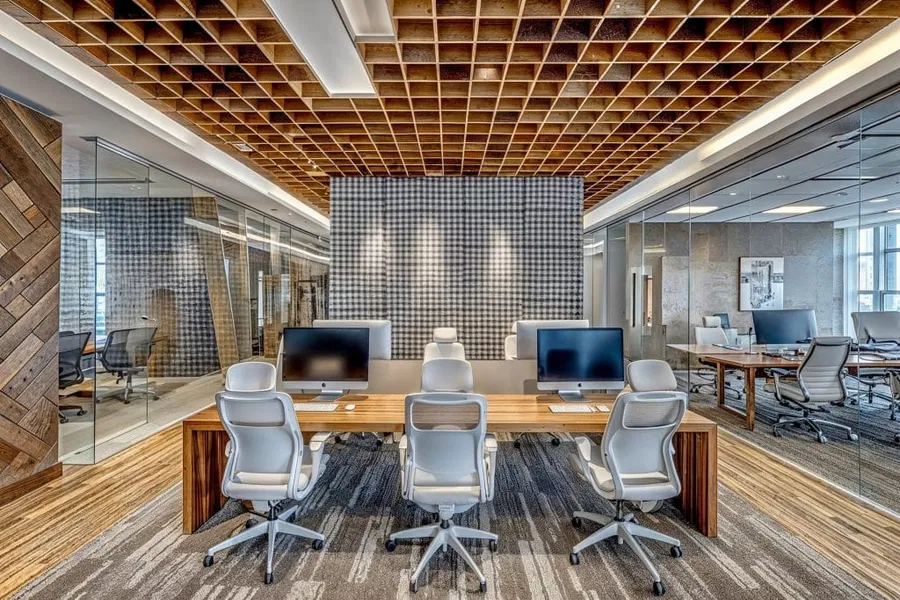
- Choose Open Layouts: Open-concept designs are typically less expensive to build and offer greater flexibility. They also encourage collaboration, which is vital for many startup cultures.
- Source Pre-Owned Furniture: Gently used desks, chairs, and storage solutions can significantly reduce upfront costs. Many vendors specialize in quality office furniture at a fraction of the price of new items.
- Negotiate with Contractors: Get multiple quotes and be clear about your budget constraints. Some contractors may offer discounts for flexible timelines or bundled services.
- Leverage Tenant Improvement Allowances: Many landlords offer financial incentives to help tenants customize their spaces. Negotiate these allowances as part of your lease agreement to offset buildout expenses.
For more detailed advice on workspace construction and planning, consider reviewing comprehensive office buildout planning tips for manufacturing facilities, which can also apply to tech startups and creative firms.
Design Trends and Features for Modern Startup Workspaces
Today’s startup environments often emphasize flexibility, collaboration, and employee well-being. When planning your space, consider these popular design features:
- Flexible Work Zones: Incorporate a mix of open desks, quiet zones, and informal meeting areas to support different work styles.
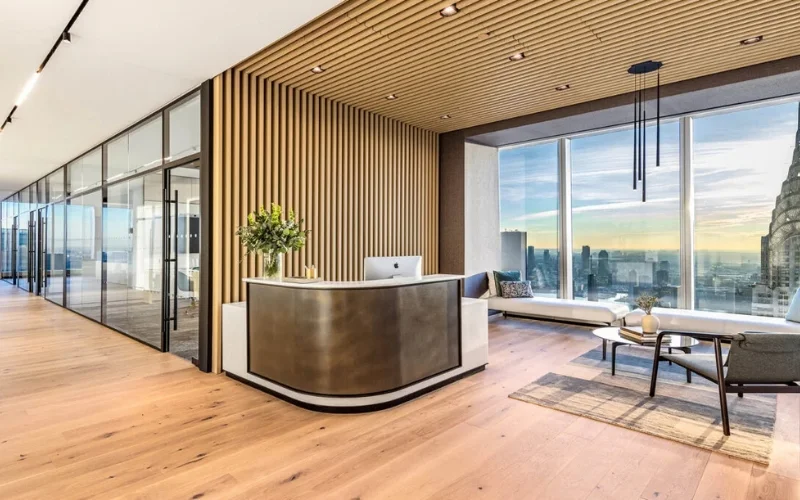
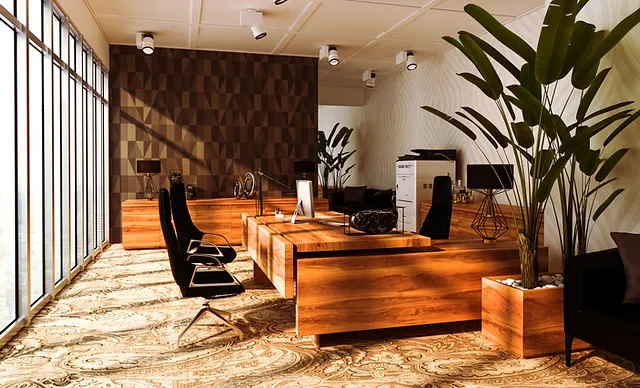
- Natural Light and Biophilic Elements: Access to daylight and greenery can boost mood and productivity. Maximize window exposure and add plants where possible.
- Technology Integration: Ensure your space is wired for high-speed internet, video conferencing, and other essential tech tools.
- Brand Identity: Use colors, graphics, and signage to reinforce your company’s culture and values throughout the workspace.
- Wellness Amenities: Consider features such as ergonomic furniture, standing desks, and break areas to support employee health.
Common Pitfalls to Avoid in Startup Office Projects
Even with the best intentions, some mistakes can derail your workspace plans. Here are frequent issues and how to sidestep them:
- Underestimating Costs: Unexpected expenses can arise from permitting, IT setup, or last-minute design changes. Always include a contingency fund in your budget.
- Overlooking Future Growth: Design your space to accommodate new hires and evolving business needs. Modular layouts and scalable infrastructure are key.
- Ignoring Building Codes: Failing to comply with local regulations can result in costly delays. Work with professionals who understand code requirements.
- Rushing the Process: Hasty decisions can lead to regrets. Allow adequate time for planning, approvals, and construction.
FAQ: Startup Office Buildout Essentials
How long does a typical startup office buildout take?
The timeline varies based on project size and complexity, but most small to mid-sized startup spaces require 8 to 16 weeks from planning to move-in. Factors such as permitting, contractor availability, and material lead times can affect the schedule.
What are the main cost drivers in a new office fit-out?
Major expenses include construction (walls, flooring, electrical), furniture, technology infrastructure, permits, and design fees. Location and building condition also play a significant role in determining overall costs.
How can startups future-proof their workspace investment?
Choose adaptable layouts, invest in modular furniture, and plan for scalable IT infrastructure. This approach allows your space to evolve with your team, minimizing the need for disruptive and expensive renovations later on.
Final Thoughts on Building a Startup Workspace
Creating an effective office environment is a significant milestone for any new business. By focusing on smart planning, cost control, and flexible design, you can build a workspace that supports your team’s goals and adapts as your company grows. Drawing inspiration from other areas of design, such as kitchen remodeling space optimization tips, can help you make the most of every square foot. With the right approach, your office buildout can become a catalyst for innovation and long-term success.