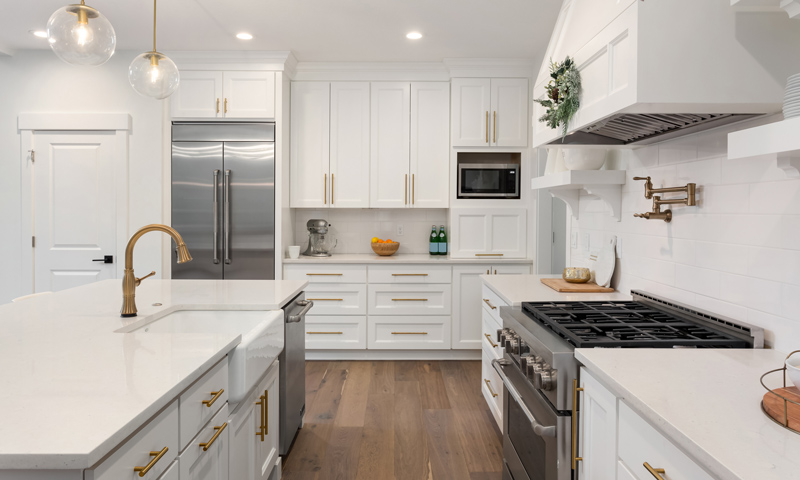

Planning a kitchen upgrade is about more than just picking new cabinets or appliances. The way your kitchen is laid out has a big impact on how efficiently you cook, clean, and gather with family or friends. Whether you’re working with a compact galley or a spacious open-plan area, the right kitchen remodeling layout ideas can transform your space into a hub of convenience and style.
In this guide, you’ll find practical advice for choosing a kitchen arrangement that fits your lifestyle, maximizes storage, and enhances the overall flow. We’ll also highlight some of the latest trends and expert tips to help you make informed decisions for your next remodel.
For those interested in adding visual appeal alongside functional improvements, consider exploring kitchen remodeling texture design ideas to complement your new layout. Combining smart space planning with creative finishes can help you achieve a kitchen that’s both beautiful and practical.
Understanding the Kitchen Work Triangle
One of the most enduring concepts in kitchen design is the work triangle. This principle connects the three main work areas: the sink, the stove, and the refrigerator. Ideally, these points should form a triangle, allowing you to move easily between tasks without unnecessary steps or obstacles.
- Sink: Central for food prep and cleanup.
- Stove: Where most cooking happens.
- Refrigerator: Storage for ingredients and leftovers.
Keeping these elements within a comfortable distance helps streamline meal prep and reduces back-and-forth movement. When evaluating kitchen remodeling layout ideas, always consider how your work triangle will function in the new space.
Popular Kitchen Layouts for Modern Homes
Choosing the right configuration is key to achieving both function and flow. Here are some of the most effective arrangements to consider for your remodel:
Galley Kitchen
A galley kitchen features two parallel runs of cabinets and countertops. This setup is ideal for smaller spaces and apartments, offering efficient use of every inch. With everything within arm’s reach, it’s easy to maintain a strong work triangle. However, it can feel cramped if there’s too much foot traffic.

L-Shaped Kitchen
The L-shaped design uses two adjoining walls, creating a natural corner that opens up the rest of the room. This layout is great for open-concept homes and allows for easy integration of a dining area or island. It also supports efficient workflow and can make a smaller kitchen feel more spacious.
U-Shaped Kitchen
With cabinetry and appliances on three walls, the U-shaped arrangement offers ample storage and counter space. It’s perfect for avid cooks who need room to spread out. This design can also accommodate multiple users at once, making it a good choice for families or those who love to entertain.
Island Kitchen
Adding an island to your kitchen not only increases prep space but also creates a social hub. Islands can house sinks, cooktops, or seating, and they work well in both L-shaped and U-shaped layouts. When planning an island, be sure to leave enough clearance on all sides for easy movement and accessibility.
Peninsula Kitchen
A peninsula is similar to an island but is attached to a wall or cabinet run. This option is ideal for kitchens where a freestanding island isn’t possible. Peninsulas provide extra counter space and can serve as a breakfast bar or serving area.
Maximizing Functionality With Smart Storage Solutions
Effective storage is a cornerstone of any successful kitchen remodel. Here are a few strategies to keep your space organized and clutter-free:
- Pull-out pantry shelves for easy access to dry goods.
- Deep drawers for pots, pans, and small appliances.
- Corner carousels or lazy Susans to make use of hard-to-reach spaces.
- Vertical dividers for baking sheets and cutting boards.
- Overhead cabinets that reach the ceiling for maximum storage.
Incorporating these elements into your chosen layout can help you maintain a tidy and efficient kitchen, no matter the size.
Enhancing Flow With Open-Concept Designs
Open-concept kitchens remain popular for their ability to connect cooking, dining, and living areas. Removing unnecessary walls can make your kitchen feel larger and more inviting. This approach is especially effective in homes where entertaining or family interaction is a priority.
When opting for an open plan, consider how to define zones for cooking, eating, and relaxing. Use islands, peninsulas, or changes in flooring to subtly separate areas without sacrificing the sense of openness.
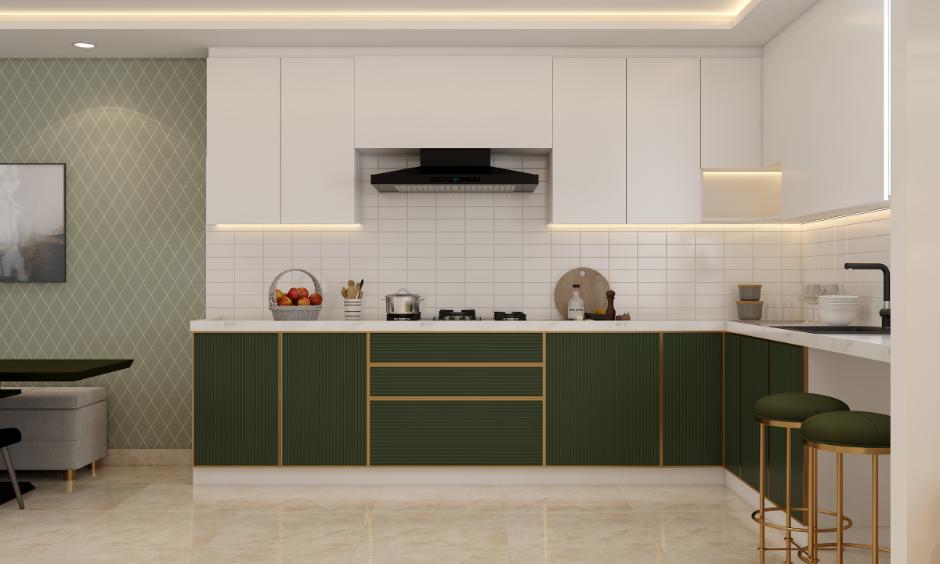
Incorporating Lighting and Visual Balance
Lighting plays a crucial role in both the function and atmosphere of your kitchen. Use a mix of ambient, task, and accent lighting to brighten work areas and highlight design features. Recessed lights, pendant fixtures, and under-cabinet LEDs are all excellent choices for modern kitchens.
For more tips on achieving a harmonious look, check out these kitchen remodeling visual balance tips. Balancing symmetry, color, and texture can make your new layout feel cohesive and inviting.
Personalizing Your Kitchen With Unique Features
Beyond the basics, consider adding custom touches that reflect your personality and needs. Accent walls, bold backsplashes, or open shelving can add character and functionality. For inspiration, see these kitchen remodeling accent wall ideas that can elevate your space.
If you’re working with limited square footage, space-saving strategies are essential. Explore kitchen remodeling space optimization tips for small kitchens to make the most of every inch.
Expert Advice and Current Trends
Staying up to date with the latest trends can help you create a kitchen that feels fresh and functional for years to come. Some popular ideas include:
- Multi-functional islands with built-in storage and seating.
- Integrated appliances for a seamless look.
- Matte finishes and natural materials for a modern yet timeless appeal.
- Smart technology like touchless faucets and connected lighting.
For more inspiration, visit this collection of creative kitchen remodeling ideas from design experts.
FAQ
What is the most efficient kitchen layout for small spaces?
Galley and L-shaped kitchens are often the best choices for compact areas. They maximize available space and keep everything within easy reach. Adding vertical storage and minimizing clutter can further improve efficiency.
How can I improve kitchen flow without a full remodel?
Simple changes like rearranging appliances, adding portable islands, or installing pull-out shelves can enhance movement and accessibility. Updating lighting and decluttering countertops also helps create a more open feel.
Are open-concept kitchens still popular?
Yes, open-concept designs remain a favorite for their ability to connect cooking, dining, and living spaces. They encourage social interaction and make smaller homes feel larger. However, it’s important to define zones for different activities to maintain organization.
How do I choose between an island and a peninsula?
Islands work best in larger kitchens with enough clearance on all sides, while peninsulas are ideal for tighter spaces or where you want to maintain some separation between zones. Both offer extra prep space and can be customized with storage or seating.
What are some ways to add visual interest to my kitchen layout?
Consider using accent walls, textured finishes, or open shelving to break up monotony. Mixing materials, colors, and lighting styles can also add depth and personality to your kitchen.