Planning a kitchen renovation is an exciting step, but one of the first questions homeowners ask is how long does kitchen remodeling take. The answer depends on the scope of your project, the complexity of the design, and how well the process is managed. Understanding the typical timeline can help you set realistic expectations and prepare for each phase of the transformation.
This guide breaks down the stages of a kitchen overhaul, factors that impact the schedule, and tips to keep your project on track. Whether you’re updating finishes or doing a full gut renovation, knowing what to expect can make the experience smoother and less stressful.
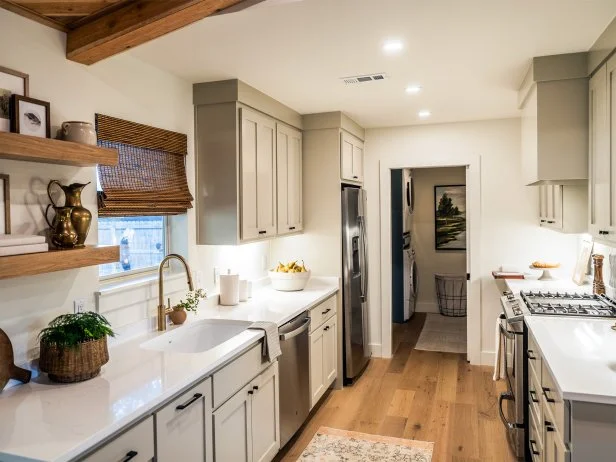
For inspiration on adding unique surfaces and finishes, check out kitchen remodeling texture design ideas to enhance visual interest in your space.
Typical Kitchen Renovation Timeline
The duration of a kitchen remodel can vary widely, but most standard projects take between 6 to 12 weeks once construction begins. This estimate covers everything from demolition to final touches. However, the total process—including planning, design, and ordering materials—can extend the overall timeline to several months.
Here’s a general overview of what to expect:
- Planning and Design: 2–8 weeks
- Ordering Materials: 2–6 weeks (can overlap with design phase)
- Demolition: 1–2 weeks
- Structural, Plumbing, and Electrical Work: 1–3 weeks
- Installation (Cabinets, Countertops, Appliances): 2–4 weeks
- Finishing Touches (Painting, Backsplash, Fixtures): 1–2 weeks
Keep in mind, these are averages. Custom features, permit delays, or unforeseen issues can extend the schedule.
Factors That Influence Kitchen Remodel Duration
Several variables can affect how long kitchen remodeling takes in your home. Understanding these factors can help you anticipate possible delays and plan accordingly.
- Project Scope: Cosmetic updates (like new paint or hardware) are much faster than full-scale renovations that involve moving walls or relocating plumbing.
- Material Lead Times: Custom cabinets, specialty countertops, or imported tiles may have longer delivery times.
- Permits and Inspections: Structural changes or electrical work often require permits and inspections, which can add time depending on your local municipality.
- Contractor Availability: The schedule of your chosen professionals can impact when work begins and how quickly it progresses.
- Change Orders: Making changes after work has started can extend the timeline, especially if new materials need to be ordered.
Being aware of these elements from the start allows you to build in some flexibility and avoid frustration if things take a bit longer than planned.
Step-by-Step Breakdown of the Remodeling Process
Let’s look at each phase in more detail to understand what happens and how long each typically takes:
1. Planning and Design
This stage includes brainstorming layouts, selecting finishes, and working with designers or architects. Depending on your decision-making speed and the complexity of your vision, this can take anywhere from two weeks for simple updates to two months for custom projects. During this time, you’ll also finalize your budget and secure estimates from contractors.
2. Ordering and Delivery of Materials
Once your design is set, materials are ordered. Stock items like standard cabinets or appliances may arrive quickly, but custom or backordered products can take several weeks. It’s wise to wait until all essential items are on-site before starting demolition to avoid unnecessary delays.
3. Demolition and Prep Work
Removing old cabinets, countertops, and flooring usually takes about a week. If structural changes are involved, such as removing a wall or relocating plumbing, this phase may stretch to two weeks or more. Proper prep ensures a smooth installation later on.
4. Rough-In Work
With the space cleared, tradespeople handle plumbing, electrical, and HVAC updates. This is also when any framing or structural work is completed. Inspections may be required before moving forward, which can add a few days to the timeline.
5. Installation of Cabinets, Countertops, and Appliances
Cabinet installation is a major milestone and typically takes one to two weeks. Countertops are templated after cabinets are in, with fabrication and installation adding another one to two weeks. Appliances and fixtures are installed once surfaces are ready.
6. Finishing Touches
The final steps include painting, installing backsplashes, and adding hardware. These details usually take about a week but can go faster if multiple trades work simultaneously. Once complete, a final walkthrough ensures everything meets your expectations.
Tips for Keeping Your Kitchen Project on Schedule
While some delays are unavoidable, there are steps you can take to minimize disruptions and keep your kitchen renovation moving forward:
- Make Decisions Early: Finalize your design, finishes, and appliances before work begins to avoid mid-project changes.
- Order Materials in Advance: Ensure all key items are on-site before demolition starts.
- Communicate with Your Contractor: Regular check-ins help address issues quickly and keep everyone on the same page.
- Prepare for Surprises: Older homes may reveal hidden issues (like outdated wiring or water damage) that require extra time to fix.
- Stay Flexible: Build a buffer into your timeline for unexpected delays, especially if you’re coordinating multiple trades.
For more guidance on balancing design elements, see these kitchen remodeling visual balance tips to help create a harmonious space.
How to Estimate Your Own Kitchen Remodel Timeline
To get a realistic idea of how long your project will take, start by outlining the scope and listing all desired updates. Consult with professionals to get time estimates for each phase. If you’re planning a major overhaul, expect the process to take at least two to three months from initial planning to completion.
For more creative ideas and inspiration, explore these kitchen remodeling ideas that can help you visualize your dream kitchen and plan accordingly.
If you’re working with a small space, these kitchen remodeling space optimization tips can help you make the most of every inch without extending your timeline unnecessarily.
Frequently Asked Questions
How can I speed up my kitchen renovation?
To accelerate your kitchen remodel, make all major decisions before work begins, order materials early, and work with a reputable contractor who can coordinate trades efficiently. Avoid making changes mid-project, as this can cause delays.
What is the shortest time a kitchen remodel can take?
For minor updates or a “pull-and-replace” remodel (where layout and systems stay the same), the process can sometimes be completed in as little as three to four weeks. However, this requires careful planning and no unexpected issues.
Do I need to move out during the renovation?
It depends on the scope of work. For major renovations, you may need to set up a temporary kitchen elsewhere in your home, as your main kitchen will be out of commission for several weeks. For smaller projects, you might be able to stay, but expect some disruption.
How do I handle delays caused by material shortages?
Order all key materials as early as possible and have them delivered before demolition starts. If something is backordered, work with your contractor to adjust the schedule or select alternative products to avoid major delays.
For more ideas on adding personality to your kitchen, consider these kitchen remodeling accent wall ideas for a unique touch.