Creating a kitchen that is both functional and accessible is essential for individuals of all ages and abilities. Whether you are planning for aging in place, accommodating mobility needs, or simply aiming for a more user-friendly space, thoughtful design choices can make a significant difference. This guide explores kitchen remodeling accessibility design ideas that help ensure everyone can enjoy and use the kitchen comfortably and safely.
By focusing on layout, storage, appliance selection, and lighting, you can transform your kitchen into a welcoming environment that supports independence and ease of use. For those interested in maximizing space while maintaining accessibility, you might also find inspiration in open concept kitchen remodeling ideas for a more spacious feel.

Why Accessibility Matters in Kitchen Renovations
Prioritizing accessibility during a kitchen remodel benefits not only those with mobility challenges but also families with young children, multi-generational households, and anyone seeking greater convenience. Accessible kitchens reduce the risk of accidents, promote independence, and add long-term value to your home. Incorporating accessible kitchen remodeling ideas early in the planning process ensures that the space remains practical and welcoming for years to come.
Layout Strategies for an Inclusive Kitchen
The foundation of an accessible kitchen is a layout that allows for easy navigation and workflow. Consider these strategies:
- Wide Pathways: Ensure walkways are at least 42–48 inches wide to accommodate wheelchairs, walkers, or two people passing comfortably.
- Open Floor Plans: Removing unnecessary barriers and walls creates more maneuvering space and improves visibility.
- Accessible Work Zones: Place key work areas—sink, stove, and refrigerator—within close proximity for a smooth workflow, sometimes called the “kitchen work triangle.”
- Lowered Countertops: Incorporate sections of countertop at 34 inches high or adjustable heights for seated users.
For more tips on planning a smooth renovation, avoid common pitfalls by reviewing kitchen remodeling mistakes to avoid.
Accessible Storage Solutions
Storage is a key consideration in any kitchen, but especially when accessibility is a priority. Here are some practical solutions:
- Pull-Out Shelves and Drawers: These make it easier to reach items stored at the back of cabinets without bending or stretching.
- Lazy Susans and Corner Units: Rotating trays and swing-out shelves maximize hard-to-reach spaces.
- Drawer-Based Base Cabinets: Replace traditional lower cabinets with deep drawers for pots, pans, and dishes.
- Accessible Pantry: Opt for pull-out pantry units or shallow shelves to keep food items within easy reach.
Choosing Accessible Appliances and Fixtures
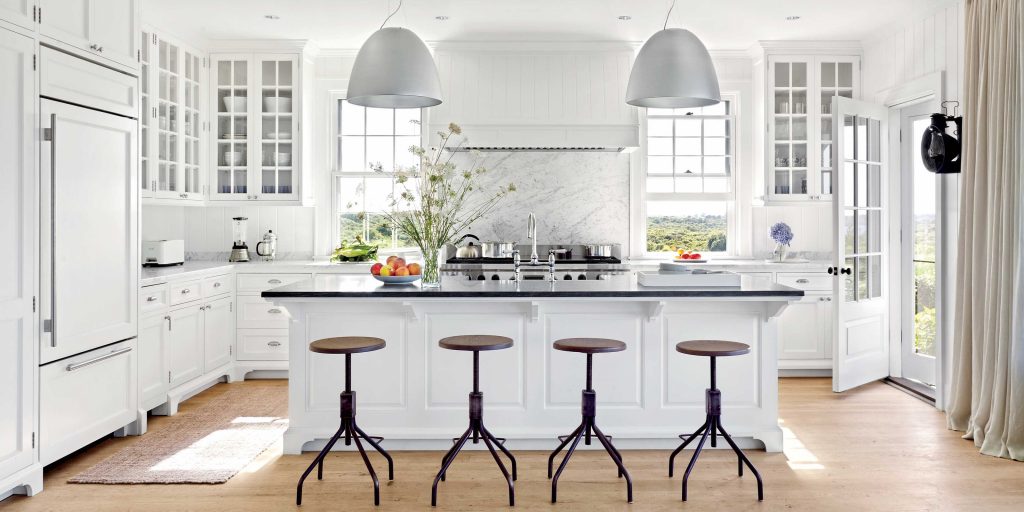
Selecting the right appliances and fixtures is crucial for a universally usable kitchen. Consider these features:
- Side-Opening Ovens: Easier to access from a seated position and reduce the risk of burns.
- Front-Control Cooktops: Controls located at the front eliminate the need to reach over hot surfaces.
- Drawer Dishwashers: These are more accessible than traditional drop-down models, especially for wheelchair users.
- Touchless Faucets: Hands-free operation is convenient for everyone and especially helpful for those with limited dexterity.
- Lever Handles: Use lever-style handles on sinks and cabinets for easier grip and operation.
For a comprehensive approach to planning, budgeting, and executing your dream kitchen, consider this step-by-step kitchen remodeling guide that covers essential project phases.
Lighting and Color Considerations for Accessibility
Proper lighting and color contrast play a vital role in creating a safe and accessible kitchen. Here are some recommendations:
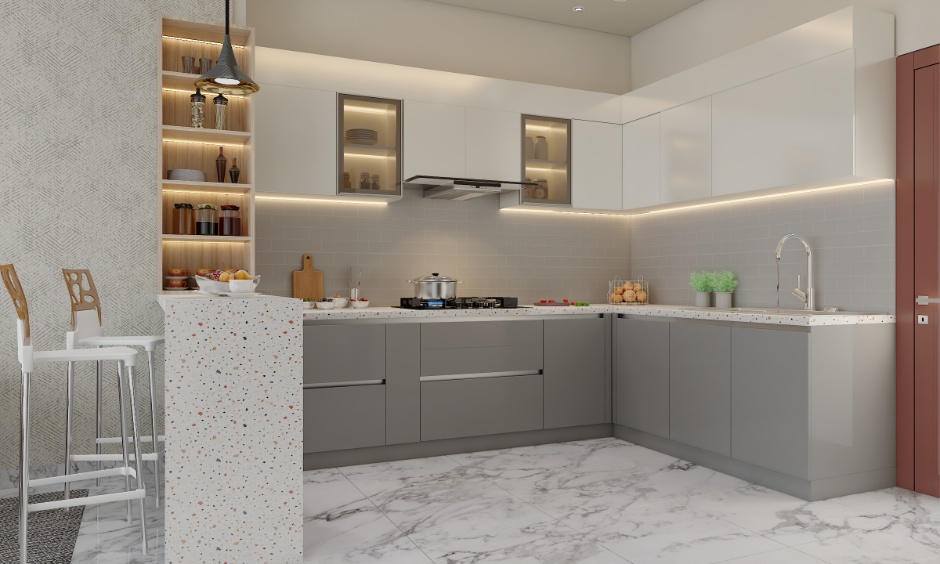
- Layered Lighting: Combine ambient, task, and accent lighting to eliminate shadows and improve visibility.
- Under-Cabinet Lights: These provide focused illumination for countertops and work areas.
- Easy-to-Reach Switches: Place light switches at accessible heights (about 36–42 inches from the floor).
- High-Contrast Colors: Use contrasting colors for countertops, cabinets, and floors to help those with visual impairments distinguish between surfaces.
Flooring and Safety Features for an Accessible Kitchen
Safety is a top priority in any kitchen, but especially when accessibility is a concern. Flooring and safety features to consider include:
- Non-Slip Flooring: Choose materials like textured vinyl, linoleum, or slip-resistant tiles to reduce the risk of falls.
- Threshold-Free Transitions: Eliminate raised thresholds between rooms to allow smooth movement for wheelchairs and walkers.
- Rounded Counter Edges: Minimize injuries from accidental bumps by opting for rounded or bullnose countertop edges.
- Clear Floor Space: Keep the area beneath sinks and cooktops open to accommodate seated users.
- Easy-to-Operate Hardware: Install D-shaped pulls or push-to-open mechanisms on drawers and cabinets.
Budgeting and Planning for Accessible Kitchen Upgrades
Incorporating accessibility features does not have to break the bank. Start by identifying your top priorities and phasing upgrades as your budget allows. For those working within a tight budget, budget kitchen remodeling ideas can help you make impactful changes without overspending. Use a detailed checklist to track your progress and ensure nothing is overlooked; a helpful resource is the kitchen remodeling planning checklist.
It’s also wise to consider the average timeline for kitchen remodeling projects to set realistic expectations and minimize disruptions.
Frequently Asked Questions
What are the most important features for an accessible kitchen?
Key features include wide pathways, lower or adjustable countertops, pull-out shelves, lever handles, non-slip flooring, and accessible appliances such as side-opening ovens and drawer dishwashers. Good lighting and high-contrast colors also enhance usability for everyone.
How can I make my kitchen more accessible on a limited budget?
Focus on low-cost upgrades like installing lever handles, adding pull-out shelves, improving lighting, and using non-slip mats. You can also reorganize existing storage to keep frequently used items within easy reach. For more ideas, explore budget kitchen remodeling ideas.
Are there guidelines or standards for accessible kitchen design?
Yes, the Americans with Disabilities Act (ADA) provides guidelines for accessible design, including recommended heights for counters and appliances, minimum clearances, and hardware types. Consulting these standards or working with a professional familiar with accessibility can help ensure your kitchen meets best practices.