Embarking on a kitchen renovation is exciting, but it can quickly become overwhelming without a clear plan. Whether you’re updating a few features or doing a full transformation, having a structured approach helps keep your project on track, on budget, and as stress-free as possible. This guide provides a comprehensive kitchen remodeling planning checklist to help you navigate every stage, from initial vision to the finishing touches.
If you’re looking for inspiration before you dive in, you might want to explore modern kitchen remodeling ideas for a sleek and contemporary look. Once you have a vision, following a step-by-step plan ensures your remodel meets your needs and avoids common pitfalls.
Why a Kitchen Renovation Checklist Matters
A detailed checklist is more than just a to-do list—it’s your roadmap for a successful renovation. It helps you:
- Clarify your goals and must-haves
- Set a realistic budget and timeline
- Coordinate contractors, deliveries, and installations
- Minimize delays and unexpected costs
- Track progress and make informed decisions
By breaking the process into manageable steps, you’ll feel more in control and confident throughout your kitchen upgrade.
Step 1: Define Your Goals and Priorities
Before you start gathering quotes or browsing materials, take time to clarify what you want from your new kitchen. Consider:
- Functionality: Do you need more storage, better workflow, or space for entertaining?
- Style: Are you drawn to modern, traditional, farmhouse, or eclectic designs?
- Must-haves: List your non-negotiables, such as an island, double oven, or pantry.
- Nice-to-haves: Identify features you’d like if the budget allows, like under-cabinet lighting or high-end appliances.
It’s helpful to collect images and ideas. For design inspiration, check out kitchen design styles and layout options to see what resonates with you.
Step 2: Set Your Budget and Timeline
Establishing a clear budget early on is crucial. Consider all potential expenses, including:
- Cabinetry and hardware
- Countertops and backsplash
- Appliances
- Flooring
- Lighting and plumbing fixtures
- Labor and permits
- Contingency fund (typically 10–20% for unexpected costs)
Next, outline a realistic timeline. Factor in design, ordering materials, demolition, installation, and inspections. Communicate with contractors to set expectations and avoid surprises.
Step 3: Choose Your Design and Layout
With your goals and budget in mind, work on your kitchen’s layout and style. This is where a kitchen remodeling planning checklist becomes especially useful. Key considerations include:
- Optimizing the work triangle (sink, stove, refrigerator)
- Maximizing storage with smart cabinetry solutions
- Ensuring adequate lighting—both ambient and task
- Selecting materials that balance durability and aesthetics
If you’re new to remodeling, you’ll find practical advice in kitchen remodeling tips for beginners to help you avoid common mistakes.
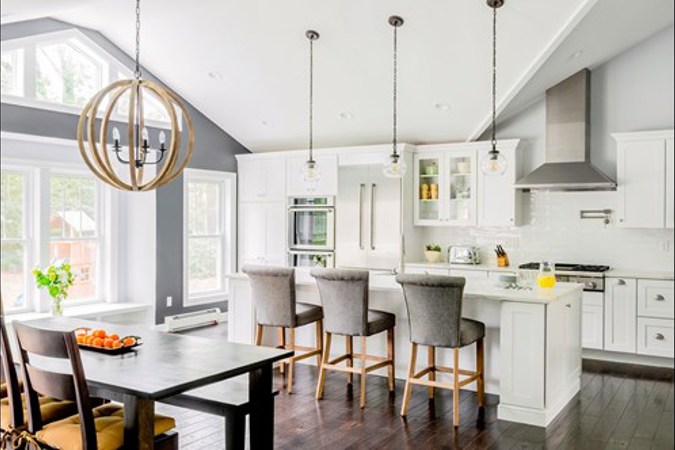
Step 4: Select Materials and Appliances
Once your design is set, it’s time to choose the products and finishes that will bring your vision to life. Use your checklist to keep track of:
- Cabinet style, color, and finish
- Countertop material (quartz, granite, butcher block, etc.)
- Backsplash tiles or panels
- Flooring type (tile, hardwood, vinyl, etc.)
- Appliance models and finishes
- Lighting fixtures and placement
- Plumbing fixtures, including sinks and faucets
Order materials early to avoid delays, especially for custom or specialty items. Double-check measurements and specifications to ensure everything fits your space.
Step 5: Hire Professionals and Secure Permits
Depending on the scope of your remodel, you may need to hire a general contractor, designer, plumber, electrician, or specialized installers. Ask for references, check credentials, and get detailed written estimates.
Don’t forget to obtain any required permits from your local building department. Skipping this step can lead to costly issues down the road.
Step 6: Prepare for Demolition and Construction
Before work begins, clear out your kitchen and set up a temporary food prep area elsewhere in your home. Protect adjacent rooms from dust and debris. Your kitchen remodeling planning checklist should include:
- Removing personal items and valuables
- Covering floors and furniture
- Arranging for pets and children to stay safe
- Coordinating delivery schedules for appliances and materials
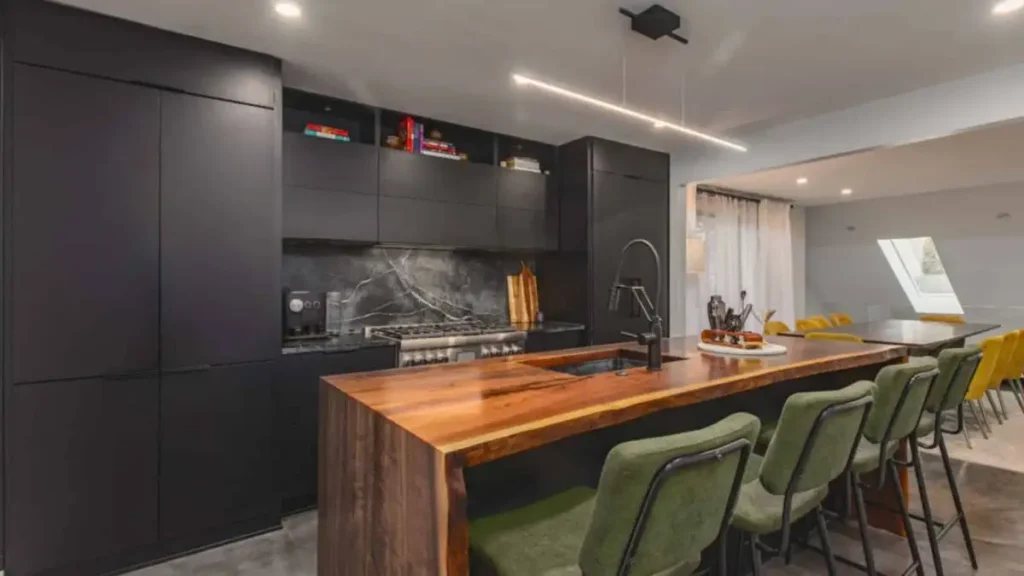
Step 7: Oversee Installation and Track Progress
Stay involved throughout the construction phase. Use your checklist to monitor:
- Demolition and removal of old fixtures
- Rough plumbing and electrical work
- Installation of cabinets, countertops, and appliances
- Painting, tiling, and finishing touches
- Final inspections and punch-list items
Communicate regularly with your contractor to address issues promptly and keep the project moving forward.
Step 8: Final Walkthrough and Enjoy Your New Kitchen
Once construction is complete, do a thorough walkthrough. Check that all work meets your expectations and that everything functions properly. Use your kitchen remodeling planning checklist to confirm:
- All appliances are installed and working
- Cabinet doors and drawers open smoothly
- Lighting and outlets function correctly
- Paint and finishes are free of defects
- Permits are closed and warranties are in hand
After signing off on the project, move back in and enjoy your upgraded space.
Printable Kitchen Renovation Checklist
Here’s a condensed version of the steps above to help you stay organized:
- Clarify goals and collect inspiration
- Set budget and timeline
- Design layout and select style
- Choose materials and appliances
- Hire professionals and get permits
- Prepare for demolition
- Track installation progress
- Conduct final walkthrough
Keep this list handy and check off tasks as you go for a smoother remodeling experience.
Frequently Asked Questions
How long does a typical kitchen renovation take?
The timeline varies depending on the scope, but most kitchen remodels take 6–12 weeks from demolition to completion. Planning and ordering materials can add several weeks before construction begins.
What should I prioritize if my budget is limited?
Focus on elements that impact daily use, such as cabinetry, countertops, and lighting. Cosmetic upgrades like paint or hardware can be done later if needed. Always set aside a contingency fund for unexpected expenses.
Do I need permits for a kitchen remodel?
Most projects involving electrical, plumbing, or structural changes require permits. Check with your local building department and ensure your contractor includes permit costs and inspections in their estimate.
Conclusion
A well-organized kitchen remodeling planning checklist is your best tool for a smooth and successful project. By breaking the process into clear steps, you can minimize stress, avoid costly mistakes, and achieve a kitchen that fits your lifestyle and budget. For more practical advice on home upgrades, explore our complete guide to off-grid homesteading or revisit our tips for beginners. With careful planning, your dream kitchen is within reach.