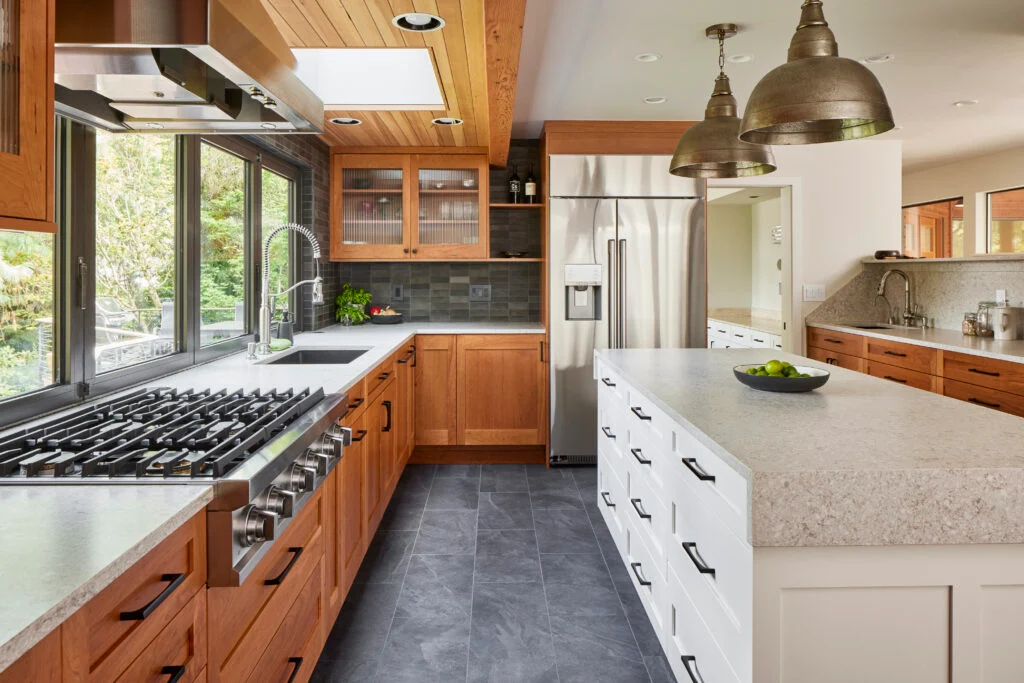

Modernizing your kitchen is an opportunity to create a space that’s not only beautiful and functional but also environmentally responsible. By focusing on energy efficient kitchen remodeling ideas, you can significantly reduce your home’s power consumption, lower utility bills, and contribute to a more sustainable future. Whether you’re planning a full renovation or a few targeted upgrades, there are practical strategies to make your kitchen greener without sacrificing style or convenience.
From choosing the right appliances to optimizing lighting and layout, this guide covers actionable steps and expert advice for a power-saving kitchen transformation. If you’re also interested in achieving a harmonious look, check out these kitchen remodeling visual balance tips for cohesive design inspiration.
Upgrade to Energy-Saving Appliances
One of the most impactful changes you can make is replacing old appliances with new, energy-efficient models. Look for those with the ENERGY STAR label, which indicates they meet strict efficiency guidelines set by the U.S. Environmental Protection Agency. Modern refrigerators, dishwashers, and ovens use advanced technology to minimize electricity and water use, helping you save power every day.
- Refrigerators: New models use up to 40% less energy than those made just a decade ago.
- Dishwashers: Efficient dishwashers use less water and heat, reducing both water and electricity bills.
- Ovens and Cooktops: Induction cooktops are particularly efficient, heating cookware directly and reducing wasted energy.
When shopping, compare annual energy consumption ratings and consider appliance size—choosing the right capacity for your household can prevent unnecessary energy use.
Optimize Kitchen Lighting for Lower Power Use
Lighting accounts for a significant portion of kitchen energy consumption. Switching to LED lighting is one of the simplest and most cost-effective ways to cut power usage. LEDs use up to 80% less energy than traditional incandescent bulbs and last much longer, reducing both electricity and replacement costs.
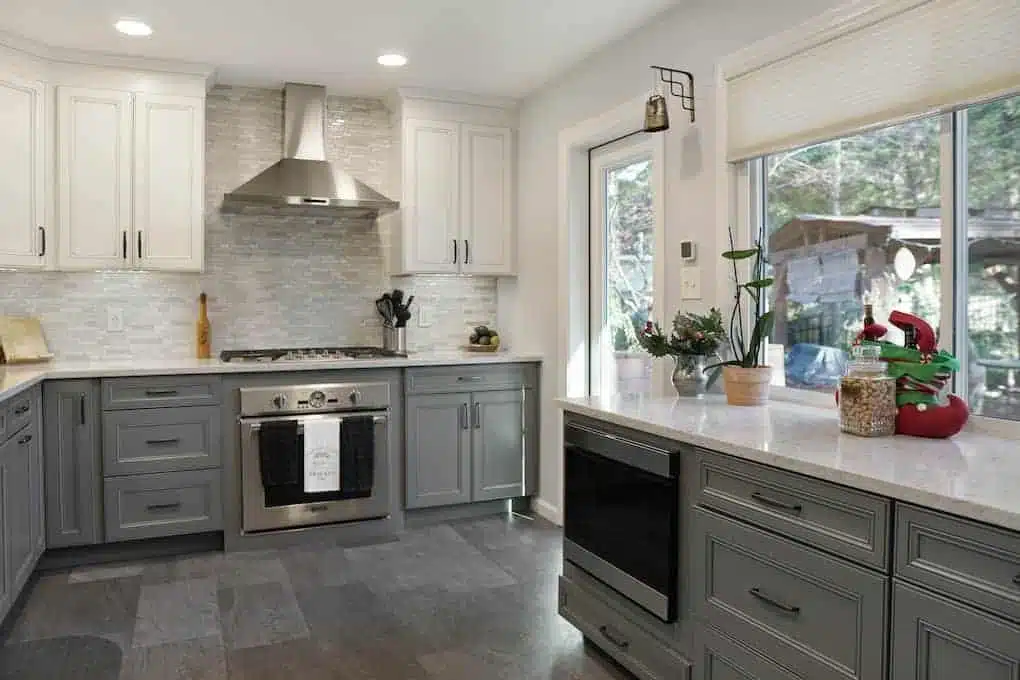
Consider these lighting strategies for a more efficient kitchen:
- Task Lighting: Install under-cabinet LEDs to illuminate work areas without lighting the entire room.
- Dimmer Switches: Adjust light levels based on your needs, reducing power use when full brightness isn’t necessary.
- Natural Light: Maximize daylight with larger windows or skylights to reduce the need for artificial lighting during the day.
For more inspiration on kitchen layouts and lighting options, explore these kitchen design and layout ideas from trusted experts.
Smart Water and Faucet Solutions
Water heating is another major energy expense in the kitchen. Upgrading to low-flow faucets and installing aerators can significantly reduce water use without compromising performance. Modern fixtures are designed to maintain strong water pressure while using less water, which means less energy is needed for heating.
Consider these additional water-saving tips:
- Opt for a tankless water heater for instant hot water and reduced standby energy loss.
- Insulate hot water pipes to minimize heat loss and speed up delivery to your faucet.
- Fix leaks promptly to prevent wasted water and energy.
Combining efficient fixtures with mindful habits—like running the dishwasher only when full—can further reduce your kitchen’s water and energy footprint.
Eco-Friendly Materials and Insulation
Beyond appliances and lighting, the materials you choose for your remodel can also impact energy efficiency. Selecting sustainable cabinetry, countertops, and flooring made from recycled or rapidly renewable materials helps conserve resources and often provides better insulation.
- Cork and bamboo flooring are renewable and provide natural insulation underfoot.
- Recycled glass or composite countertops are durable and eco-friendly.
- Insulated windows and doors help maintain indoor temperatures, reducing the load on heating and cooling systems.
Proper insulation in walls and ceilings is crucial for keeping your kitchen comfortable year-round and minimizing energy loss.
Layout and Design Strategies for Power Savings
The way your kitchen is organized can also influence how much energy you use. An efficient layout minimizes unnecessary movement and maximizes the effectiveness of appliances and lighting. For example, grouping the refrigerator, sink, and stove in a classic work triangle can streamline meal prep and reduce the time appliances need to run.
Additional design strategies include:
- Placing the refrigerator away from heat sources like ovens or direct sunlight to reduce cooling demands.
- Designing storage to keep small appliances off countertops, reducing clutter and making cleaning easier.
- Incorporating zones for prep, cooking, and cleaning to optimize workflow and minimize energy waste.
If you’re interested in more layout tips, see these kitchen remodeling cleaning zone layout ideas for practical advice on organizing your space.
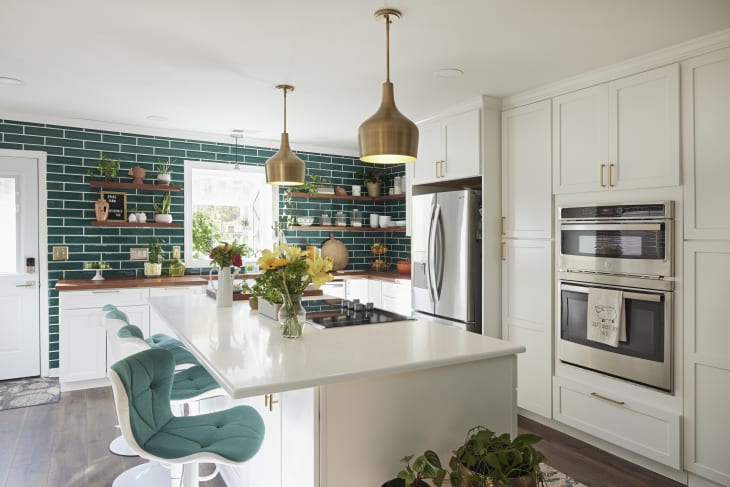
Integrating Smart Technology for Efficiency
Smart home technology can further enhance your kitchen’s energy performance. Programmable thermostats, smart plugs, and connected appliances allow you to monitor and control energy use with precision. For example, a smart dishwasher can run during off-peak hours, and smart lighting systems can automatically adjust based on occupancy or daylight levels.
Other tech-forward ideas include:
- Installing motion sensors for lights to ensure they’re only on when needed.
- Using smart power strips to cut off standby power to small appliances.
- Monitoring energy use with apps or home energy management systems to identify savings opportunities.
Maintenance and Habits for Long-Term Savings
Even the most advanced kitchen will only be as efficient as your daily habits. Regular maintenance and mindful use of appliances are key to sustaining energy savings over time. Here are some practical tips:
- Keep refrigerator coils clean and set the temperature to the manufacturer’s recommended level.
- Use lids on pots to speed up cooking and reduce energy waste.
- Unplug small appliances when not in use to prevent phantom energy drain.
- Run full loads in the dishwasher and washing machine to maximize efficiency.
For more on selecting the right hardware and finishes, see the kitchen remodeling hardware style guide for cabinets and drawers.
Frequently Asked Questions
What are the most effective ways to reduce energy use during a kitchen remodel?
The most effective strategies include upgrading to ENERGY STAR appliances, switching to LED lighting, installing low-flow faucets, and improving insulation. Smart layouts and the use of sustainable materials also contribute to long-term energy savings.
How much can I save by making my kitchen more energy efficient?
Actual savings vary based on the extent of your upgrades, but homeowners often see a 10–30% reduction in kitchen-related energy costs by implementing efficient appliances, lighting, and water-saving fixtures.
Are eco-friendly materials more expensive than traditional options?
While some sustainable materials may have a higher upfront cost, they often provide better durability and insulation, leading to savings on energy bills over time. Many eco-friendly options are now competitively priced with traditional materials.
Conclusion
Adopting energy efficient kitchen remodeling ideas is a smart investment for your home and the environment. By focusing on efficient appliances, smart lighting, eco-friendly materials, and thoughtful design, you can create a kitchen that’s both stylish and sustainable. For more inspiration and practical advice, explore resources on kitchen remodeling style planning and other expert guides to make the most of your renovation.