Upgrading your kitchen is an exciting opportunity to improve both style and functionality. However, one of the most critical—and often overlooked—aspects of any kitchen renovation is the electrical system. Proper planning ensures your kitchen is not only beautiful but also safe, efficient, and compliant with modern codes. This kitchen remodeling electrical planning guide covers the essentials for a safe and successful upgrade, from assessing your current wiring to choosing the right outlets and lighting.
Whether you’re adding new appliances, updating lighting, or reconfiguring your layout, understanding the electrical requirements is key. Early planning helps prevent costly changes later and ensures your kitchen meets your family’s needs for years to come. If you’re also interested in design harmony, check out these kitchen remodeling visual balance tips for a cohesive look alongside your electrical upgrades.

Why Electrical Planning Is Essential in Kitchen Remodels
Modern kitchens demand more power and flexibility than ever before. Appliances, lighting, and smart devices all require dedicated circuits and safe wiring. Skipping or rushing the electrical planning stage can lead to overloaded circuits, inconvenient outlet placement, or even safety hazards. A thoughtful approach ensures your kitchen is both functional and future-proof.
- Safety: Proper wiring and circuit protection reduce the risk of electrical fires and shocks.
- Convenience: Well-placed outlets and switches make daily tasks easier.
- Compliance: Meeting local codes avoids costly corrections and ensures your remodel passes inspection.
- Resale Value: Updated electrical systems are a selling point for future buyers.
Assessing Your Current Electrical System
Before making any changes, evaluate your existing electrical setup. Older homes may have outdated wiring, insufficient amperage, or a lack of ground-fault circuit interrupter (GFCI) protection. Here’s what to check:
- Panel Capacity: Is your main panel rated for the increased load? Kitchens often require several new circuits.
- Wiring Condition: Look for signs of wear, such as frayed insulation or aluminum wiring, which may need replacement.
- Outlet Types: Are there enough GFCI and AFCI (arc-fault circuit interrupter) outlets for safety?
- Code Compliance: Local codes may require updates, especially if you’re adding high-powered appliances.
If you’re unsure about your system’s condition, consult a licensed electrician before starting your remodel.

Key Elements of a Safe Kitchen Electrical Upgrade
When planning your kitchen’s electrical system, focus on these critical areas:
Dedicated Circuits for Appliances
Major appliances like refrigerators, dishwashers, microwaves, and ovens each require their own circuit. This prevents overloads and ensures each appliance operates safely. Small appliances, such as toasters and coffee makers, should also have access to dedicated outlets, especially along countertop spaces.
GFCI and AFCI Protection
GFCI outlets are required in all areas where water is present, such as near sinks and countertops. AFCI protection helps prevent electrical fires caused by arc faults. Both types of protection are now standard in modern kitchens and are often required by code.
Strategic Outlet Placement
Plan for outlets every 4 feet along countertops and at least one on each kitchen island or peninsula. Consider USB outlets for device charging and under-cabinet outlets for a cleaner look. Don’t forget outlets for under-cabinet lighting, garbage disposals, and range hoods.
Lighting Design and Controls
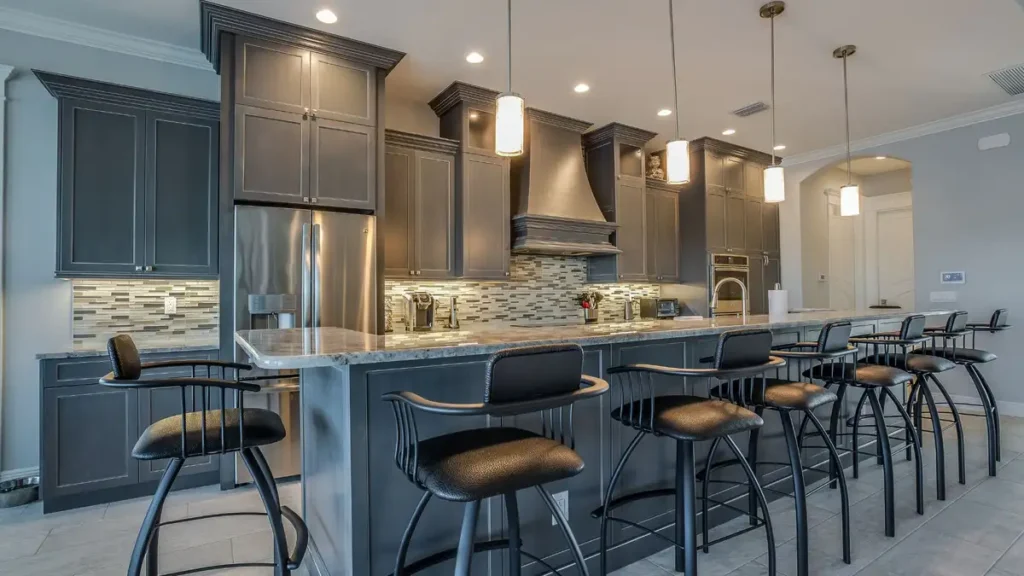
Layered lighting improves both function and ambiance. Combine overhead fixtures, recessed lights, under-cabinet strips, and accent lighting. Use dimmer switches and smart controls for flexibility. For more lighting inspiration, see these kitchen lighting and design ideas from appliance experts.
Planning for Future-Proof Electrical Needs
Think beyond today’s needs. As technology evolves, your kitchen should be ready for new appliances and devices. Here are some tips for future-proofing:
- Extra Circuits: Add spare circuits for potential future appliances or upgrades.
- Smart Home Integration: Plan for smart switches, outlets, and lighting controls.
- Flexible Wiring: Use conduit or accessible wiring paths for easy updates down the road.
Early planning helps you avoid tearing into finished walls later to add new wiring or outlets.
Working With Professionals for Electrical Safety
While some minor electrical tasks can be DIY, most kitchen remodels require a licensed electrician. Professionals ensure your wiring meets code, is properly sized, and is safely installed. They can also help you navigate permits and inspections, which are mandatory in most areas.
When hiring an electrician, ask about their experience with kitchen remodels, request references, and confirm they’re licensed and insured. Clear communication about your needs and expectations helps avoid misunderstandings and ensures a smooth project.
Integrating Electrical Planning With Overall Kitchen Design
Electrical upgrades should complement your kitchen’s layout and style. Coordinate with your designer or contractor to ensure outlets, switches, and lighting are both functional and visually appealing. For ideas on creating a unified look, explore this kitchen remodeling style planning guide for cohesive interiors.
Consider concealed outlets, under-cabinet lighting, and integrated appliance garages for a streamlined appearance. Balancing function and aesthetics leads to a kitchen that’s both practical and beautiful.
Common Mistakes to Avoid in Kitchen Electrical Upgrades
- Underestimating Power Needs: Don’t rely on existing circuits for new appliances—dedicated lines are often required.
- Poor Outlet Placement: Plan for convenience, not just code minimums. Think about where you’ll use small appliances.
- Skipping GFCI/AFCI Protection: These safety features are essential and often required by law.
- Neglecting Lighting Layers: A single overhead light is rarely enough. Combine task, ambient, and accent lighting.
- DIY Without Expertise: Electrical work can be dangerous. When in doubt, hire a professional.
FAQ: Kitchen Electrical Planning and Safety
How many circuits should a remodeled kitchen have?
Most modern kitchens require at least seven dedicated circuits: one each for the refrigerator, microwave, dishwasher, garbage disposal, and two or more for countertop outlets, plus one for lighting. The exact number depends on your appliances and layout. Consulting a professional ensures you meet both code and your household’s needs.
Are GFCI outlets required everywhere in the kitchen?
GFCI protection is required for all outlets serving countertop surfaces and any location within six feet of a sink. It’s a good idea to use GFCI outlets throughout the kitchen for added safety, even where not strictly required by code.
Can I add smart switches and outlets during my remodel?
Yes, a remodel is the perfect time to integrate smart switches, dimmers, and outlets. Make sure your wiring plan accommodates these features, and consider future upgrades by adding extra capacity or conduit where possible.
What’s the best way to hide kitchen outlets for a cleaner look?
Options include installing outlets under cabinets, inside drawers, or using pop-up outlets on islands. Work with your designer and electrician to find solutions that fit your style and workflow.
Thoughtful electrical planning is the foundation of a safe, functional, and beautiful kitchen. By addressing wiring, outlets, lighting, and future needs early in your remodel, you’ll enjoy a space that works for your lifestyle and stands the test of time.