

The air inside our living spaces often contains a surprising mix of particles and gases that can affect comfort, health, and even the longevity of household materials. Understanding airborne contaminants in homes is essential for anyone looking to create a safer and more pleasant indoor environment. From dust and pollen to volatile organic compounds (VOCs) and mold spores, these invisible threats can originate from both inside and outside the home.
Many people focus on visible cleanliness, but the quality of the air we breathe is just as important. Whether you’re renovating, moving into a new property, or simply want to improve your family’s well-being, learning about indoor pollutants and how to manage them is a practical step. For those considering home upgrades, exploring kitchen remodeling visual balance tips can also contribute to a healthier and more harmonious space.
Common Types of Indoor Air Pollutants
Not all pollutants are created equal. The most common airborne contaminants in homes can be grouped into several categories:
- Particulate Matter: Dust, pet dander, pollen, and smoke are tiny particles that can be inhaled deep into the lungs.
- Biological Agents: Mold spores, bacteria, and viruses thrive in damp or poorly ventilated areas.
- Volatile Organic Compounds (VOCs): These gases are released from paints, cleaning products, furniture, and building materials.
- Combustion Byproducts: Carbon monoxide, nitrogen dioxide, and other gases are produced by stoves, fireplaces, and heaters.
- Radon: A naturally occurring radioactive gas that can seep in from the ground, especially in certain regions.
Each of these pollutants can have different sources and health effects, making it important to identify what’s present in your home.
Health Effects of Indoor Air Contaminants
Exposure to indoor pollutants can lead to a range of health issues. Short-term symptoms may include headaches, eye irritation, fatigue, and allergy flare-ups. For sensitive groups—such as children, the elderly, or those with respiratory conditions—the risks are even greater. Long-term exposure to certain contaminants, like radon or VOCs, has been linked to more serious health problems, including respiratory diseases and cancer.
Managing these risks starts with awareness and practical steps to reduce pollutant levels.
Sources of Airborne Contaminants in Residential Spaces
Identifying where pollutants come from is key to controlling them. Common sources include:
- Outdoor Air: Pollen, dust, and vehicle emissions can enter through open windows or poorly sealed doors.
- Building Materials: New carpets, pressed-wood furniture, and paint can emit VOCs for months after installation.
- Household Activities: Cooking, cleaning, and hobbies like painting or woodworking can release both particles and gases.
- Moisture: Leaks or high humidity create ideal conditions for mold and bacteria.
- Pets: Animals shed dander and hair, which can become airborne and trigger allergies.

How Ventilation and Filtration Reduce Indoor Pollutants
Proper ventilation is one of the most effective ways to reduce airborne contaminants in homes. By exchanging stale indoor air with fresh outdoor air, you dilute the concentration of pollutants. Mechanical systems like exhaust fans, whole-house fans, and heat recovery ventilators can significantly improve air quality, especially in tightly sealed buildings.
Filtration is another important strategy. High-efficiency particulate air (HEPA) filters and air purifiers capture dust, pollen, and even some bacteria and viruses. When used in conjunction with regular cleaning and moisture control, these tools can make a noticeable difference.
For a detailed look at ventilation options, see this guide to different types of ventilation systems.
Practical Steps to Minimize Indoor Air Pollution
Reducing exposure to indoor pollutants doesn’t have to be complicated. Here are some practical actions you can take:
- Ventilate Regularly: Open windows when weather allows, especially during and after activities like cooking or cleaning.
- Use Exhaust Fans: Install or upgrade fans in kitchens and bathrooms to remove moisture and odors.
- Control Humidity: Keep indoor humidity between 30% and 50% to prevent mold growth.
- Choose Low-VOC Products: Opt for paints, finishes, and cleaning products labeled as low-emission.
- Maintain HVAC Systems: Change filters regularly and schedule professional inspections to ensure optimal performance.
- Clean Smart: Use a vacuum with a HEPA filter and damp dust surfaces to trap particles instead of spreading them.
- Address Leaks Promptly: Fix plumbing or roof leaks quickly to avoid moisture buildup and mold.
- Limit Indoor Smoking: Tobacco smoke is a major source of indoor air pollution and should be avoided indoors.
When to Seek Professional Help
While many sources of indoor pollution can be managed with routine maintenance and good habits, some situations call for expert assessment. If you notice persistent musty odors, unexplained health symptoms, or visible mold growth, consult a qualified indoor air quality specialist. They can conduct tests for specific contaminants like radon, mold, or VOCs and recommend targeted solutions.
Frequently Asked Questions
What are the most harmful airborne contaminants found in homes?
The most concerning pollutants include fine particulate matter (PM2.5), mold spores, VOCs from household products, and gases like carbon monoxide and radon. Each can pose unique health risks, especially with prolonged exposure.
How can I tell if my home has poor indoor air quality?
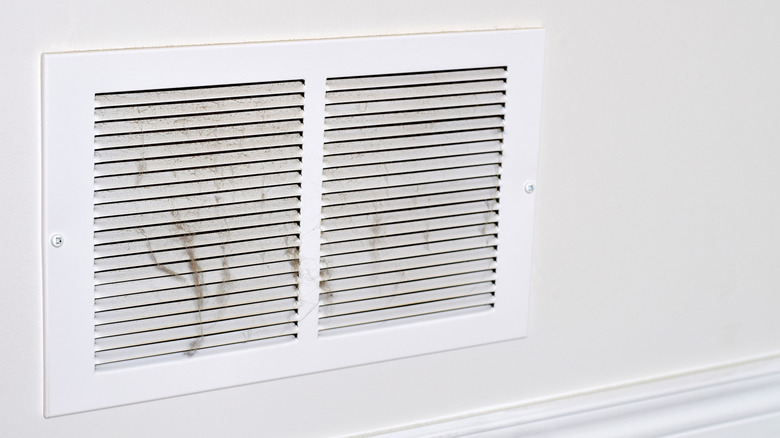
Signs of poor air quality include frequent allergy symptoms, lingering odors, visible dust buildup, or condensation on windows. Professional air quality testing can provide a more accurate assessment.
What is the best way to improve air quality in my house?
Combining regular ventilation, effective filtration, and moisture control is the most reliable way to reduce indoor pollutants. Upgrading to HEPA filters, using exhaust fans, and choosing low-emission products all contribute to cleaner air.
Conclusion
Understanding and managing airborne contaminants in homes is a practical step toward a healthier living environment. By identifying sources, improving ventilation, and using effective filtration, you can significantly reduce exposure to harmful particles and gases. For those planning renovations, integrating smart design choices—like those found in kitchen remodeling style planning guides—can further enhance both air quality and overall comfort.

