Indoor air quality is a growing concern for homeowners, renters, and anyone spending significant time indoors. One of the most overlooked issues is carbon dioxide buildup in homes. While carbon dioxide (CO2) is a natural part of the air we breathe, excessive concentrations indoors can impact comfort, cognitive function, and even health. Understanding how CO2 accumulates, what causes it, and how to address it is essential for maintaining a healthy living environment.
This article explores the sources of elevated CO2 indoors, the risks associated with poor ventilation, and practical steps to improve air quality. If you’re also interested in optimizing your home’s design for comfort and function, you may find our kitchen remodeling visual balance tips guide helpful.
Why Does CO2 Accumulate Indoors?
The air inside a home is constantly changing due to breathing, cooking, heating, and other daily activities. Humans and animals exhale carbon dioxide, and in tightly sealed buildings, this gas can accumulate faster than it is removed. Older homes often had natural air leaks, but modern construction emphasizes energy efficiency, which can unintentionally trap CO2 inside.
Common sources of indoor CO2 include:
- People and pets breathing
- Combustion appliances (gas stoves, fireplaces, heaters)
- Limited ventilation or blocked air vents
- High occupancy in small or poorly ventilated rooms
Health Effects of Elevated Carbon Dioxide Indoors
At typical outdoor levels (about 400 ppm), CO2 is harmless. However, when concentrations rise above 1,000 ppm indoors, people may begin to experience symptoms such as drowsiness, headaches, and difficulty concentrating. Higher levels (above 2,000 ppm) can cause increased heart rate, nausea, and impaired decision-making.
Prolonged exposure to high CO2 can be especially concerning for children, the elderly, and those with respiratory conditions. While CO2 itself is not toxic at the levels typically found in homes, its presence often indicates poor ventilation, which can also allow other pollutants to build up.
How Modern Homes Contribute to CO2 Buildup
Energy-efficient construction has led to homes that are more airtight than ever. While this reduces heating and cooling costs, it also means less fresh air enters and stale air is slower to leave. Without adequate ventilation, CO2 levels can rise quickly, especially in bedrooms, offices, and living rooms where people spend the most time.
Recognizing Signs of Poor Air Quality
It’s not always obvious when CO2 is building up indoors. Some telltale signs include:
- Feeling tired or groggy, especially in the afternoon or after waking up
- Frequent headaches or difficulty focusing
- Stale or stuffy air, particularly in closed rooms
- Condensation on windows, which can indicate poor ventilation
Investing in an indoor air quality monitor can help you track CO2 levels and identify problem areas. These devices are widely available and can provide real-time feedback on air quality.
Ventilation Solutions for Reducing CO2 Indoors
Improving ventilation is the most effective way to manage carbon dioxide buildup in homes. Here are some practical strategies:
- Open windows and doors: Regularly airing out your home, even for a few minutes, can significantly lower CO2 concentrations.
- Use exhaust fans: Kitchen and bathroom fans help remove stale air and bring in fresh air.
- Install a whole-house fan or ventilation system: These systems can exchange indoor and outdoor air efficiently.
- Maintain HVAC filters: Clean filters ensure your system moves air effectively.
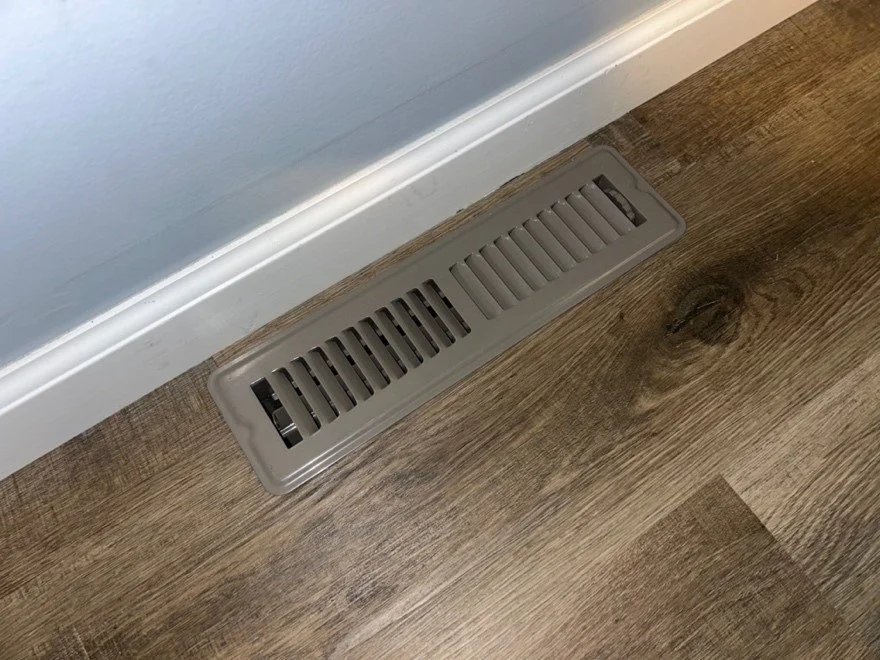
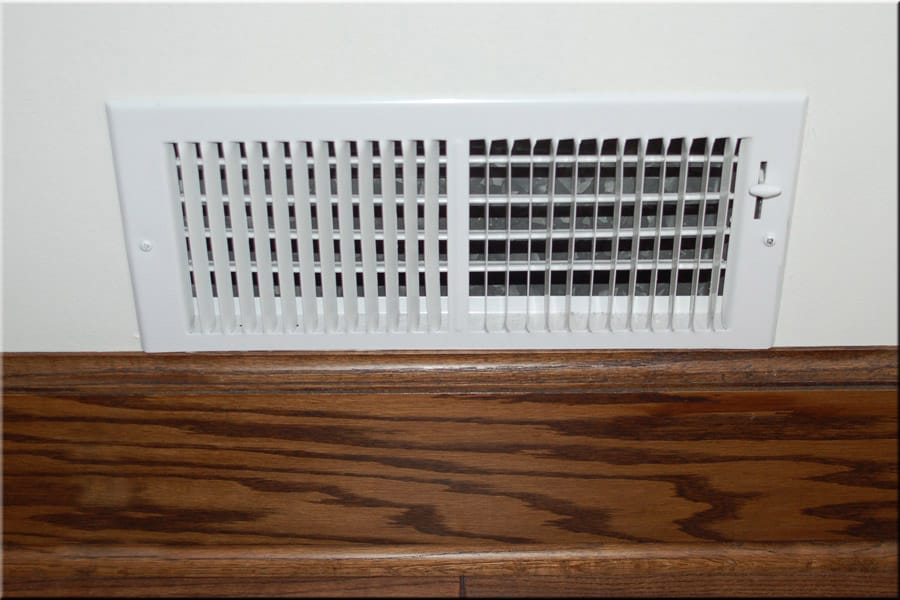
- Check for blocked vents: Ensure that furniture or drapes are not covering supply or return vents.
For a deeper understanding of how home ventilation works, you can read this comprehensive guide on home ventilation systems.
Additional Tips for Managing Indoor Air Quality
- Houseplants: While plants can absorb some CO2, their effect is minimal compared to mechanical ventilation. However, they can help improve overall air quality.
- Limit indoor combustion: Use electric appliances where possible and ensure gas appliances are vented properly.
- Monitor occupancy: Be mindful of how many people are in enclosed spaces, especially during gatherings.
- Regular maintenance: Schedule routine checks for your HVAC and ventilation systems to ensure optimal performance.
Long-Term Benefits of Addressing CO2 Accumulation
Taking steps to reduce carbon dioxide buildup in homes offers several advantages beyond immediate comfort. Improved air quality can lead to better sleep, enhanced focus, and overall well-being. It can also help preserve your home by reducing moisture and the risk of mold growth, which are often linked to poor ventilation.
For those planning home renovations, considering ventilation in your design can make a significant difference. Integrating air quality solutions during a remodel, such as in the kitchen or other high-use areas, ensures a healthier and more comfortable living space.
Frequently Asked Questions
What are safe levels of carbon dioxide indoors?
Safe indoor CO2 levels are generally considered to be below 1,000 ppm (parts per million). Levels above this threshold can cause discomfort and affect concentration. Regular ventilation helps keep concentrations within a healthy range.
How can I measure CO2 in my home?
You can use a digital indoor air quality monitor to track CO2 levels. These devices are easy to use and provide real-time data, allowing you to identify areas where ventilation may need improvement.
Can houseplants reduce carbon dioxide indoors?
While houseplants do absorb some CO2, their impact on overall indoor levels is limited. Mechanical ventilation and air exchange are far more effective for maintaining healthy air quality.
Is carbon dioxide buildup only a problem in winter?
CO2 can accumulate at any time of year, but it’s more common in winter when windows and doors are kept closed. However, even in summer, air-conditioned homes with sealed windows can experience elevated levels if ventilation is inadequate.
Conclusion
Understanding and managing carbon dioxide buildup in homes is crucial for maintaining a healthy indoor environment. By recognizing the signs, improving ventilation, and taking proactive steps, you can ensure better air quality for yourself and your family. For more ideas on creating a comfortable and functional home, explore our resources on kitchen remodeling visual balance tips and related topics.