
When tackling a home improvement project that involves painting or remodeling, one of the most important—yet often overlooked—steps is ensuring proper ventilation during painting or remodeling. Adequate airflow protects your health, improves indoor air quality, and helps finishes cure properly. Whether you’re painting a single room or renovating an entire space, understanding how to manage air movement is essential for a safe and successful outcome.
This article explores why air circulation matters, practical ways to achieve it, and the best tools and strategies for different situations. If you’re planning a kitchen upgrade, you may also find value in related resources like kitchen remodeling visual balance tips to ensure your design is both beautiful and functional.
Why Proper Airflow Is Essential for Painting and Renovation
Many paints, adhesives, and construction materials release volatile organic compounds (VOCs) and other airborne particles. Without sufficient air exchange, these substances can linger, causing headaches, dizziness, or even long-term health issues. Proper ventilation during painting or remodeling ensures that fumes are quickly diluted and removed, making the environment safer for workers and anyone else in the home.
In addition to health concerns, good airflow helps paint and finishes dry evenly and prevents moisture buildup, which can lead to mold or peeling. For those working in kitchens or bathrooms, integrating ventilation strategies with cleaning zone layout ideas can further enhance both safety and efficiency.
Common Ventilation Challenges During Home Projects
Every home presents unique obstacles when it comes to managing air movement. Older houses may lack modern exhaust systems, while newer homes are often tightly sealed for energy efficiency, making it harder for fumes to escape. Multi-room renovations or projects in basements and attics can be especially tricky.
- Limited window access: Some rooms have few or no windows, reducing natural airflow.
- Weather constraints: Cold or rainy days may discourage opening windows and doors.
- Dust and debris: Remodeling generates particles that can spread throughout the home if not contained.
- Shared ventilation: Central HVAC systems can circulate fumes to other areas if not managed properly.
Best Practices for Ventilating During Painting and Remodeling
To maximize safety and comfort, follow these practical steps for effective ventilation during painting or remodeling:
- Open windows and doors: Whenever possible, create cross-ventilation by opening windows on opposite sides of the room. This encourages fresh air to flow in and contaminated air to exit.
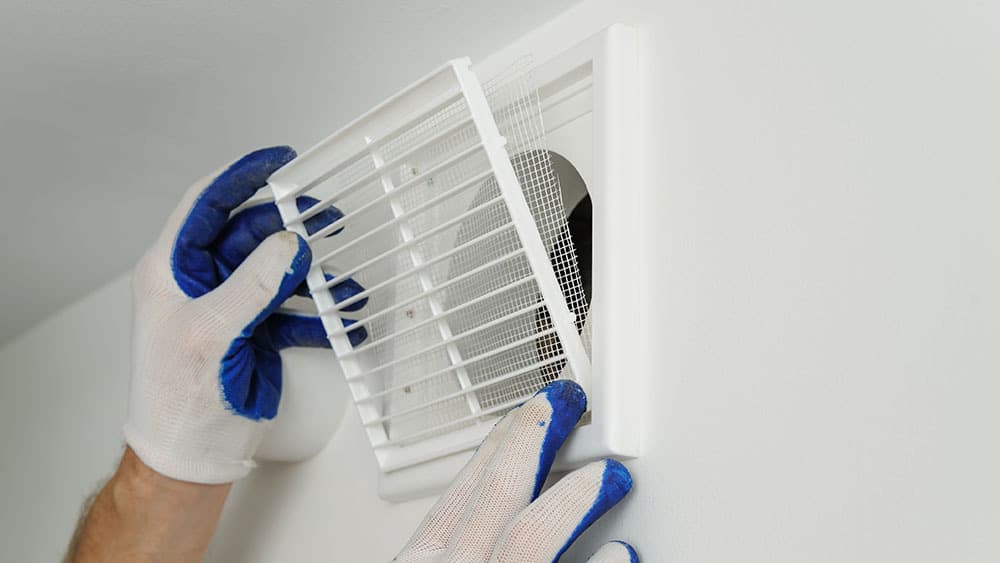
- Use exhaust fans: Install or activate exhaust fans in the work area. Bathroom and kitchen fans are especially useful for removing fumes and moisture.
- Seal off other areas: Close doors and use plastic sheeting to isolate the workspace, preventing dust and fumes from spreading.
- Deploy portable fans: Position box or oscillating fans to direct air out of open windows or doors. Avoid pointing fans directly at wet paint to prevent uneven drying.
- Pause HVAC systems: Temporarily turn off central heating or cooling during painting to avoid circulating fumes throughout the house.
- Consider air purifiers: Use HEPA-filtered air purifiers to capture fine particles and improve indoor air quality.
Tools and Equipment for Improved Air Circulation
Investing in the right equipment can make a significant difference in maintaining healthy air quality during home projects. Here are some options to consider:
- Whole house fans: These powerful units draw fresh air in and push stale air out, ideal for larger renovations.
- Portable air filtration kits: Designed to capture dust, paint particles, and VOCs, these kits are especially useful for enclosed spaces.
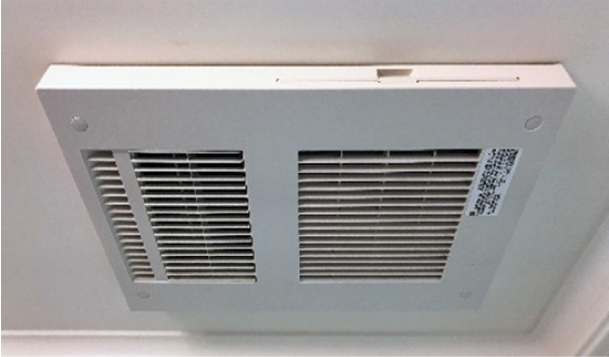
- Ceiling exhaust fans: Permanently installed in kitchens or bathrooms, these fans remove humid or contaminated air at the source.
- Window fans: Affordable and easy to install, window fans can quickly boost airflow in specific rooms.
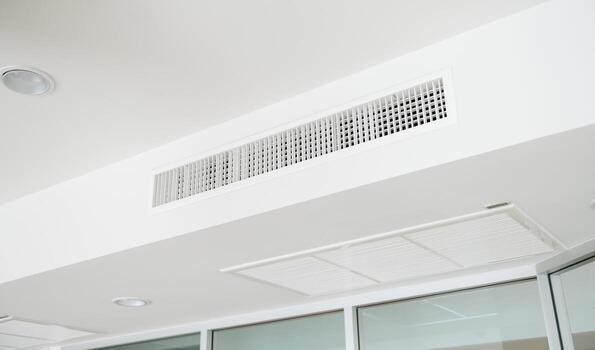
For a deeper understanding of how different systems work, you can explore how home ventilation systems function and what might suit your project best.
Tips for Different Types of Projects
Small Room Painting
For bedrooms, bathrooms, or offices, open all available windows and use a portable fan to direct fumes outside. If weather prevents this, consider using a portable air purifier with a HEPA filter. Always read paint labels for specific ventilation recommendations.
Whole-Home Renovations
Large-scale projects benefit from whole house fans and multiple exhaust points. Seal off non-work areas with plastic barriers and regularly check that air is flowing out, not into, living spaces. For kitchens, integrating hardware style guides and proper ventilation can help maintain both style and safety.
Kitchen and Bathroom Upgrades
These spaces often have built-in exhaust fans. Make sure they’re clean and functioning before starting work. If replacing cabinetry or appliances, keep vents unobstructed and consider upgrading to higher-capacity fans for better performance.
Maintaining Air Quality After the Project
Even after the paint dries or construction wraps up, lingering odors and particles can persist. Continue ventilating the area for several days, and clean all surfaces thoroughly. Change HVAC filters and consider running an air purifier to capture any remaining contaminants.
For ongoing improvements, explore style planning guides that incorporate both design and functional upgrades, including permanent ventilation solutions.
Frequently Asked Questions
How long should I ventilate after painting or remodeling?
It’s best to keep windows open and fans running for at least 48–72 hours after finishing a project. For strong-smelling paints or adhesives, extend ventilation until odors are completely gone.
Can I use my central HVAC system for ventilation?
While central air can help circulate air, it may also spread fumes to other rooms. It’s safer to rely on exhaust fans, open windows, and portable fans to direct air outside during painting or remodeling.
What are the signs of poor ventilation during a project?
Common indicators include persistent odors, headaches, dizziness, condensation on windows, and visible dust settling on surfaces. If you notice these, increase airflow immediately.
Are there low-VOC or safer materials I can use?
Yes, many paints and adhesives are now formulated with low or zero VOCs. Choosing these products can significantly reduce the need for extensive ventilation and improve indoor air quality.
Ensuring proper airflow is a critical part of any home improvement project. With the right strategies and equipment, you can protect your health, achieve better results, and enjoy your newly refreshed space with confidence.