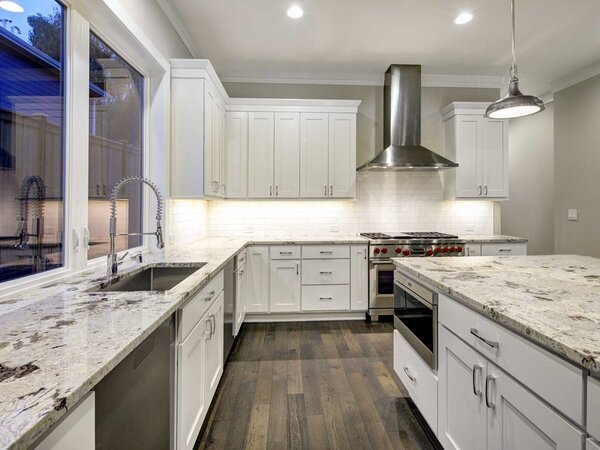

Maintaining healthy indoor air quality is essential, especially in areas where people gather frequently. Spaces such as living rooms, kitchens, offices, and commercial venues experience a constant flow of occupants, which can quickly lead to stale air, increased humidity, and a buildup of contaminants. Effective ventilation in high-traffic rooms is crucial for comfort, safety, and overall well-being.
Proper airflow not only helps remove odors and pollutants but also regulates temperature and prevents the growth of mold and bacteria. Whether you are designing a new space or upgrading an existing one, understanding the best approaches to air circulation can make a significant difference in both residential and commercial environments.
If you’re considering a renovation or simply want to optimize your home’s airflow, it’s helpful to explore related topics such as kitchen remodeling visual balance tips to ensure your living spaces are both functional and visually harmonious.
Why Airflow Matters in Busy Spaces
High-occupancy areas are prone to rapid accumulation of carbon dioxide, allergens, dust, and moisture. Without sufficient ventilation, these factors can lead to discomfort, health issues, and even structural problems over time. Here are some key reasons why prioritizing ventilation in high-traffic rooms is essential:
- Improved Air Quality: Continuous airflow helps remove airborne particles, odors, and volatile organic compounds (VOCs).
- Humidity Control: Proper ventilation prevents excess moisture, reducing the risk of mold and mildew.
- Thermal Comfort: Balanced air movement maintains consistent temperatures, preventing hot or cold spots.
- Health Benefits: Reducing pollutants and allergens supports respiratory health and overall well-being.
Common Challenges in High-Use Areas
Rooms with frequent activity often face unique ventilation obstacles. Doors opening and closing, variable occupancy, and the presence of electronics or appliances can all impact air circulation. Some typical challenges include:
- Stale Air: Insufficient airflow leads to lingering odors and stuffiness.
- Uneven Distribution: Air may not reach all corners of the room, leaving some areas poorly ventilated.
- Noise: Mechanical systems can add unwanted sound, especially in quiet environments.
- Energy Efficiency: Over-ventilating wastes energy, while under-ventilating compromises air quality.
Effective Solutions for Enhanced Ventilation
There are several strategies to ensure optimal airflow in busy rooms. The right solution depends on the size of the space, the number of occupants, and the building’s existing infrastructure. Here are some proven options:
Mechanical Systems for Consistent Air Exchange
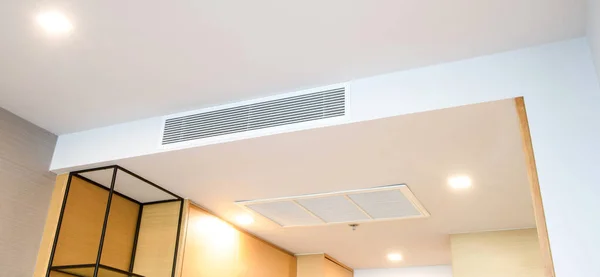
Installing mechanical ventilation systems is one of the most reliable ways to maintain fresh air in crowded spaces. Options include:
- Whole House Fans: These systems draw fresh air in and push stale air out, ideal for large or multi-room spaces.
- Ceiling Exhaust Fans: Effective for removing humidity and odors, especially in bathrooms and kitchens.
- Air Filtration Kits: These units filter out dust, pollen, and other particles, improving overall air quality.
Natural Ventilation Techniques
In some cases, simple adjustments can significantly improve airflow. Consider these practical steps:
- Open Windows and Doors: Allow cross-ventilation by opening windows on opposite sides of the room.
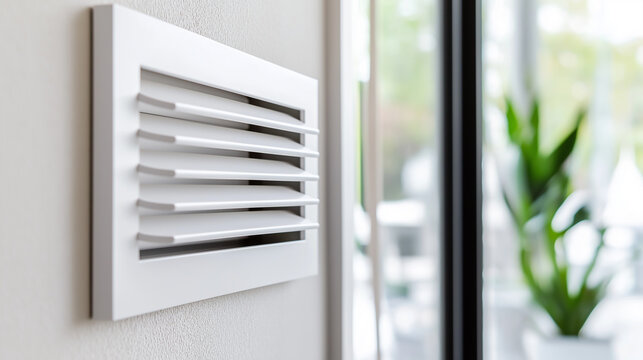
- Use Transoms or Vents: Install above-door vents or wall grilles to promote continuous air movement.
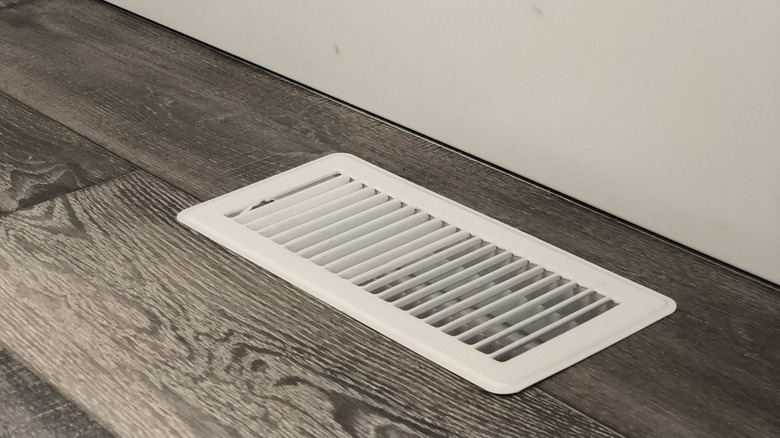
- Strategic Furniture Placement: Avoid blocking vents or airflow paths with large furniture pieces.
Smart Controls and Monitoring
Modern technology makes it easier to manage air quality. Smart thermostats, CO2 sensors, and humidity monitors can help you track conditions and adjust ventilation automatically. This ensures that airflow is increased when needed, such as during gatherings or peak usage times, and reduced when the room is empty, saving energy.
Maintenance Tips for Long-Term Performance
Even the best ventilation setup requires regular upkeep. To keep your system running efficiently:
- Clean or Replace Filters: Dirty filters restrict airflow and reduce effectiveness.
- Inspect Ductwork: Look for leaks or blockages that can compromise air movement.
- Check Fan Operation: Ensure fans are running smoothly and quietly.
- Schedule Professional Service: Have HVAC systems inspected annually to catch issues early.
Choosing the Right System for Your Needs
Selecting the best approach for air exchange depends on your room’s layout, usage patterns, and budget. For large, open spaces or homes with multiple gathering areas, a whole house ventilation system can provide balanced, energy-efficient airflow throughout. Smaller rooms may benefit from targeted solutions like exhaust fans or portable air purifiers.
When planning upgrades, consider how your ventilation choices will integrate with other design elements. For example, if you’re also updating your kitchen, reviewing kitchen remodeling hardware style guide resources can help you coordinate function and aesthetics.
Frequently Asked Questions
How often should filters be replaced in busy rooms?
In rooms with frequent use, filters should be checked monthly and replaced at least every three months. If the area is especially dusty or houses pets, more frequent changes may be necessary to maintain optimal airflow.
Can natural ventilation alone keep air fresh in crowded spaces?
While opening windows and doors can help, natural airflow is often insufficient for consistently occupied rooms. Combining passive techniques with mechanical systems ensures more reliable removal of pollutants and humidity.
What are signs that a room needs better ventilation?
Common indicators include persistent odors, visible condensation on windows, stuffiness, or increased allergy symptoms among occupants. If you notice these issues, it’s time to assess and improve your ventilation setup.
Are there energy-efficient options for improving air quality?
Yes, many modern systems feature energy recovery ventilators (ERVs) or smart controls that adjust airflow based on occupancy and air quality, helping to balance comfort with lower energy use.
Conclusion
Ensuring proper ventilation in high-traffic rooms is a vital aspect of maintaining a healthy, comfortable environment. By combining mechanical solutions, natural airflow strategies, and regular maintenance, you can create spaces that support well-being and productivity. For those planning broader improvements, exploring topics like kitchen remodeling cleaning zone layout ideas can further enhance the functionality and appeal of your home or workplace.