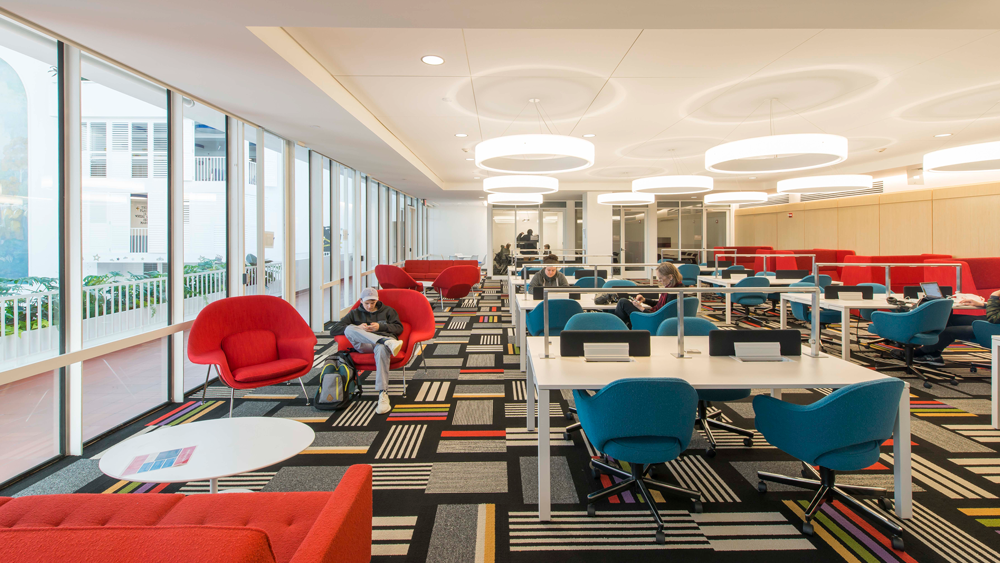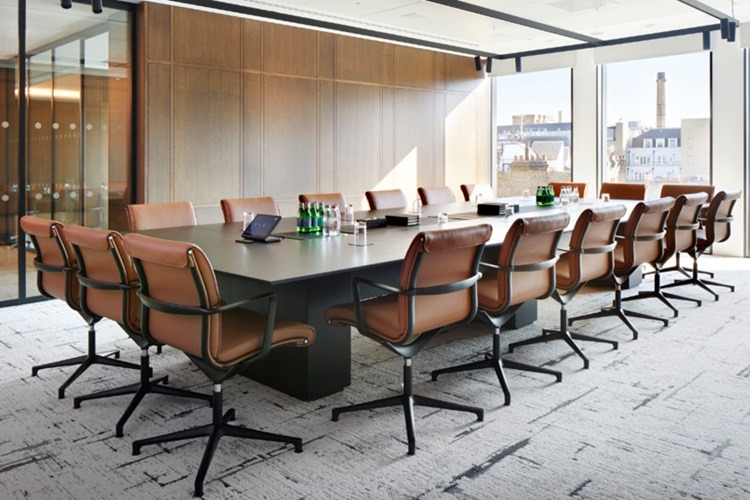

Planning a new workspace or renovating an existing office involves more than just picking paint colors and furniture. The office buildout design build process is a comprehensive approach that integrates design and construction into a single, streamlined workflow. This method is increasingly popular among businesses seeking efficiency, cost control, and a cohesive project experience from concept to completion.
In this article, we’ll break down each stage of the design-build journey, highlight its advantages, and offer practical tips for a successful office transformation. If you’re also interested in home renovation strategies, you might find insights in our kitchen remodeling visual balance tips guide.
Understanding the Design-Build Approach for Office Projects
The design-build method is a project delivery system where a single entity manages both the design and construction phases. Unlike traditional models that separate architects and contractors, this approach fosters collaboration and accountability. For office environments, this means a more unified vision and fewer communication gaps.
The office buildout design build process typically follows these core stages:
- Initial Consultation and Needs Assessment
- Conceptual Design and Space Planning
- Detailed Design Development
- Permitting and Approvals
- Construction and Fit-Out
- Final Walkthrough and Handover
Key Phases of an Office Buildout Project
Let’s look closer at each step to understand how the design-build process unfolds in a commercial office setting.
Initial Consultation and Needs Assessment
Every successful office transformation begins with a thorough understanding of your business goals, space requirements, and budget. During this phase, the design-build team meets with stakeholders to discuss workflow needs, branding, employee preferences, and future growth plans. This collaborative approach ensures that the project scope is clear from the outset.
Conceptual Design and Space Planning
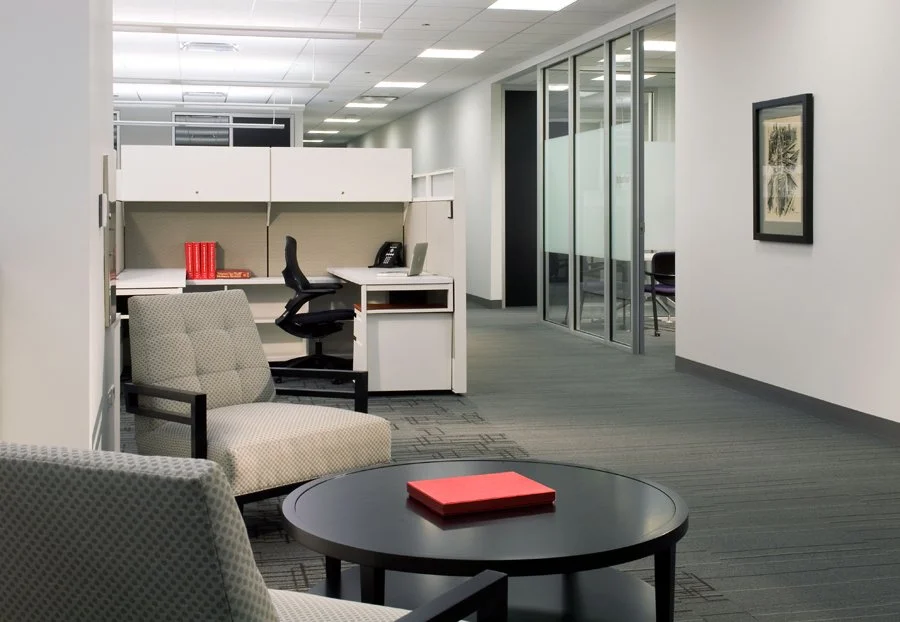
With the project requirements defined, designers develop initial concepts and space plans. This stage involves creating floor plans, 3D renderings, and mood boards to visualize how the office will look and function. The design-build team considers factors such as natural light, acoustics, collaboration zones, and private workspaces to create an environment that supports productivity and well-being.
Detailed Design Development
Once a concept is approved, the team refines the design, specifying materials, finishes, lighting, and furniture. Detailed drawings and specifications are produced, which serve as the blueprint for construction. This phase is crucial for aligning expectations and ensuring that the project remains within budget.
Permitting and Approvals
Before construction can begin, the necessary permits and approvals must be secured from local authorities and building management. The design-build firm typically manages this process, ensuring compliance with codes, accessibility standards, and safety regulations. Early attention to permitting helps avoid costly delays later on.
Construction and Fit-Out: Bringing the Vision to Life
With permits in hand, the construction phase begins. The design-build team coordinates all trades, from demolition and framing to electrical, plumbing, and HVAC installation. Because the same team manages both design and build, there’s greater flexibility to address unforeseen issues and adapt to changes without derailing the schedule.
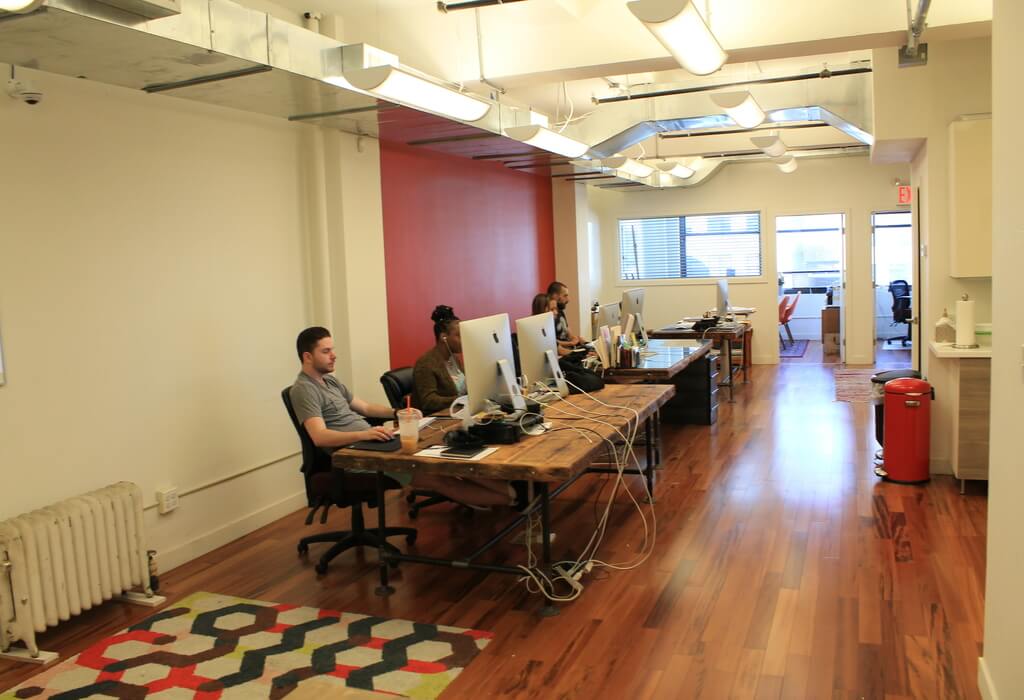
The fit-out stage includes installing flooring, ceilings, partitions, and all interior finishes. Furniture, fixtures, and technology are integrated according to the detailed design. Regular site meetings and progress updates keep everyone informed and ensure quality standards are met.
Final Walkthrough and Project Handover
As construction wraps up, a final walkthrough is conducted with the client to review the completed space. Any outstanding issues or punch-list items are addressed promptly. The project is officially handed over once all work is completed to satisfaction, and the office is ready for occupancy.
Benefits of the Integrated Design-Build Model
Choosing the office buildout design build process offers several advantages over traditional project delivery methods:
- Single Point of Responsibility: With one team managing both design and construction, there’s less risk of miscommunication or finger-pointing.
- Faster Project Delivery: Overlapping design and construction phases can reduce the overall timeline, helping businesses move in sooner.
- Cost Control: Early collaboration allows for more accurate budgeting and value engineering, minimizing unexpected expenses.
- Streamlined Communication: Direct lines between designers, builders, and clients make it easier to resolve issues and adapt to changes.
- Higher Quality Outcomes: Integrated teams are invested in delivering a cohesive, functional, and visually appealing workspace.
For a deeper dive into office construction strategies, consider reviewing this comprehensive guide to building out office space, which covers best practices and common pitfalls.
Tips for a Successful Office Renovation Project
To maximize the value of your office transformation, keep these practical recommendations in mind:
- Engage stakeholders early and often to gather input and build consensus.
- Set realistic timelines and budgets, allowing for contingencies.
- Prioritize flexibility in your design to accommodate future growth or changes in work style.
- Choose a design-build partner with a proven track record in commercial interiors.
- Communicate openly about expectations, milestones, and any concerns that arise.
Frequently Asked Questions
How long does a typical office buildout take using the design-build method?
The timeline depends on the size and complexity of the project, but most office buildouts using the design-build approach are completed in 3 to 9 months. Early collaboration and overlapping phases often result in faster delivery compared to traditional methods.
What is the main difference between design-build and design-bid-build for office projects?
In the design-build model, one entity is responsible for both design and construction, ensuring a seamless process and single point of accountability. In design-bid-build, design and construction are handled separately, which can lead to communication gaps and longer timelines.
Can the design-build process accommodate changes during construction?
Yes, one of the strengths of the design-build approach is its flexibility. Because the design and construction teams work together, changes can be evaluated and implemented more efficiently, minimizing disruption and keeping the project on track.