
Maintaining a healthy and comfortable indoor environment is essential for households with pets. Animals can contribute to increased dander, fur, and odors, all of which can affect air quality. Proper ventilation for pet-friendly homes helps reduce allergens, control humidity, and ensure both humans and animals breathe cleaner air. In this guide, we’ll explore the importance of air circulation, practical solutions, and tips for optimizing your home’s airflow to create a safer, fresher space for everyone.
Whether you’re renovating or simply looking to improve your home’s environment, understanding the role of airflow and filtration is crucial. If you’re also interested in design improvements for smaller spaces, you might find inspiration in kitchen remodeling compact kitchen ideas for maximizing both style and function.
Why Airflow Matters in Homes with Pets
Pets naturally shed fur and dander, which can accumulate in carpets, furniture, and air ducts. Without adequate airflow, these particles linger, leading to poor indoor air quality and potential health issues for sensitive individuals. Proper ventilation in pet households helps:
- Remove pet hair, dander, and dust from living spaces
- Reduce lingering odors from litter boxes, cages, or bedding
- Control humidity, which can otherwise promote mold and bacteria growth
- Support respiratory health for both pets and humans
By ensuring fresh air circulates throughout your home, you can minimize the impact of pet-related pollutants and create a more pleasant environment.
Key Strategies for Effective Ventilation
There are several practical ways to improve airflow and air quality in homes with animals. Consider these approaches to optimize your living space:
1. Mechanical Ventilation Systems
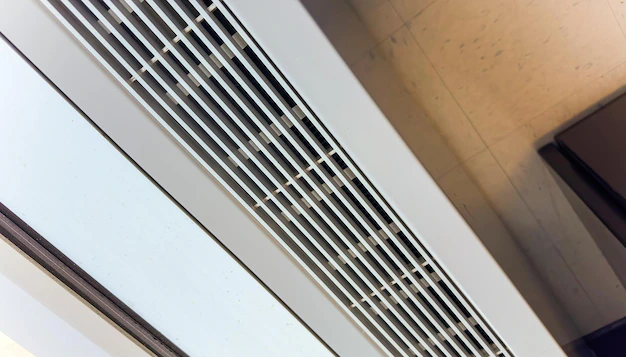
Mechanical solutions such as whole house fans, ceiling exhaust fans, and air filtration kits are highly effective for maintaining consistent airflow. These systems help expel stale air and bring in fresh air from outside, diluting indoor pollutants. For example, a whole house fan can quickly refresh the air in your home, while an exhaust fan in bathrooms or laundry rooms helps control moisture and odors.
2. Natural Air Circulation
Opening windows and doors regularly is a simple yet effective way to let fresh air in and push stale air out. Cross-ventilation, where air moves from one side of the house to the other, is especially useful. If possible, open windows on opposite sides of a room or hallway to create a steady breeze. This approach works best when outdoor air quality is good and weather permits.
3. Air Filtration and Purification
High-quality air filters and purifiers can trap pet dander, hair, and other allergens. Look for HEPA filters, which are designed to capture even the smallest particles. Many modern HVAC systems allow for filter upgrades, and standalone air purifiers can be strategically placed in rooms where pets spend the most time. Regularly replacing or cleaning filters is essential for maintaining their effectiveness.
Choosing the Right Vent Covers and Grilles
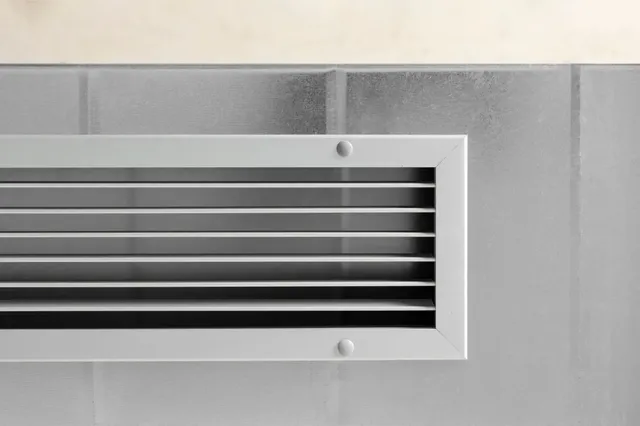
Vent covers and grilles play a significant role in both the efficiency and aesthetics of your home’s airflow system. For pet owners, it’s important to select covers that are easy to clean and resistant to fur buildup. Some vent covers are designed with finer mesh or angled slats to help prevent pet hair from entering ducts, making maintenance easier and improving air quality.

Routine Maintenance for Optimal Air Quality
Regular upkeep is essential for keeping your ventilation system working efficiently. Here are some maintenance tips tailored for pet owners:
- Vacuum vents and grilles weekly to remove fur and dust buildup.
- Change air filters at least every 2–3 months, or more frequently if you have multiple pets.
- Clean ducts professionally every few years to prevent dander accumulation.
- Wipe down surfaces near vents to minimize the spread of allergens.
Staying on top of these tasks will help your system run smoothly and keep indoor air fresher for both people and pets.
Advanced Solutions and Smart Technology
Modern technology offers advanced options for managing airflow in homes with animals. Smart thermostats and air quality monitors can help you track humidity, temperature, and pollutant levels in real time. Some systems can even automate fan speeds or alert you when filters need changing. For more technical details on how advanced airflow systems work, visit this comprehensive guide to ventilation technology.
Tips for Integrating Ventilation with Home Design
When planning renovations or updates, consider how airflow solutions can complement your home’s style and layout. For example, low-profile vent covers or decorative grilles can blend seamlessly with your décor. If you’re interested in enhancing your kitchen, explore kitchen remodeling texture design ideas to add both function and visual interest.
Frequently Asked Questions
How often should I replace air filters in a pet-friendly home?
For households with pets, it’s best to replace or clean air filters every 2–3 months. If you have multiple animals or pets that shed heavily, consider checking filters monthly to ensure optimal performance.
What type of ventilation system is most effective for controlling pet odors?
Mechanical systems such as whole house fans and ceiling exhaust fans are highly effective at removing odors and improving air quality. Pairing these with HEPA air purifiers provides the best results for odor and allergen control.
Can I improve ventilation without major renovations?
Yes, simple steps like opening windows for cross-ventilation, adding portable air purifiers, and regularly cleaning vents can make a significant difference. Upgrading vent covers and using high-quality filters are also effective, low-cost improvements.
Conclusion
Ensuring proper ventilation for pet-friendly homes is key to maintaining a healthy, comfortable environment for all occupants. By combining mechanical systems, routine maintenance, and thoughtful design, you can reduce allergens, control odors, and create a fresher living space. For more ideas on optimizing your home, check out kitchen remodeling space optimization tips to make the most of every room.