
The modern workplace is undergoing a significant transformation. As companies adapt to new ways of working, the office buildout hybrid office trends are shaping how organizations design, renovate, and utilize their spaces. With a growing emphasis on flexibility, collaboration, and employee well-being, businesses are rethinking traditional office layouts to better support both in-person and remote work. This article explores the most influential developments in hybrid office design, offering practical insights for anyone planning a new buildout or renovation.
For those interested in optimizing other areas of their workspace, you might also find value in kitchen remodeling space optimization tips, which provide actionable strategies for making the most of compact environments.
Key Drivers Behind Hybrid Office Buildouts
The shift toward hybrid work models has accelerated changes in office design. Several factors are driving these changes:
- Employee Expectations: Workers now expect more autonomy over where and how they work, prompting companies to offer a mix of remote and in-office options.
- Technology Integration: Seamless digital connectivity is essential for collaboration between on-site and remote team members.
- Space Utilization: Organizations are re-evaluating how much space they need, often reducing their footprint while making existing areas more functional.
- Wellness and Sustainability: Healthier, greener workplaces are in demand, with a focus on natural light, air quality, and biophilic design.
Understanding these drivers is crucial for anyone planning a new office buildout or renovation. For a deeper dive into the renovation process, see this comprehensive guide to office buildout and renovation.
Flexible Workspaces: The Heart of Modern Office Design
One of the most prominent office buildout hybrid office trends is the shift toward flexible workspaces. Rather than assigning fixed desks, many companies are adopting activity-based layouts. These designs include:
- Hot Desking: Employees choose their workspace for the day, promoting movement and interaction.
- Collaboration Zones: Open areas with comfortable seating and writable surfaces encourage teamwork and brainstorming.
- Quiet Rooms: Designated spaces for focused, distraction-free work are essential for productivity.
- Multipurpose Areas: Spaces that can be easily reconfigured for meetings, events, or social gatherings add versatility.
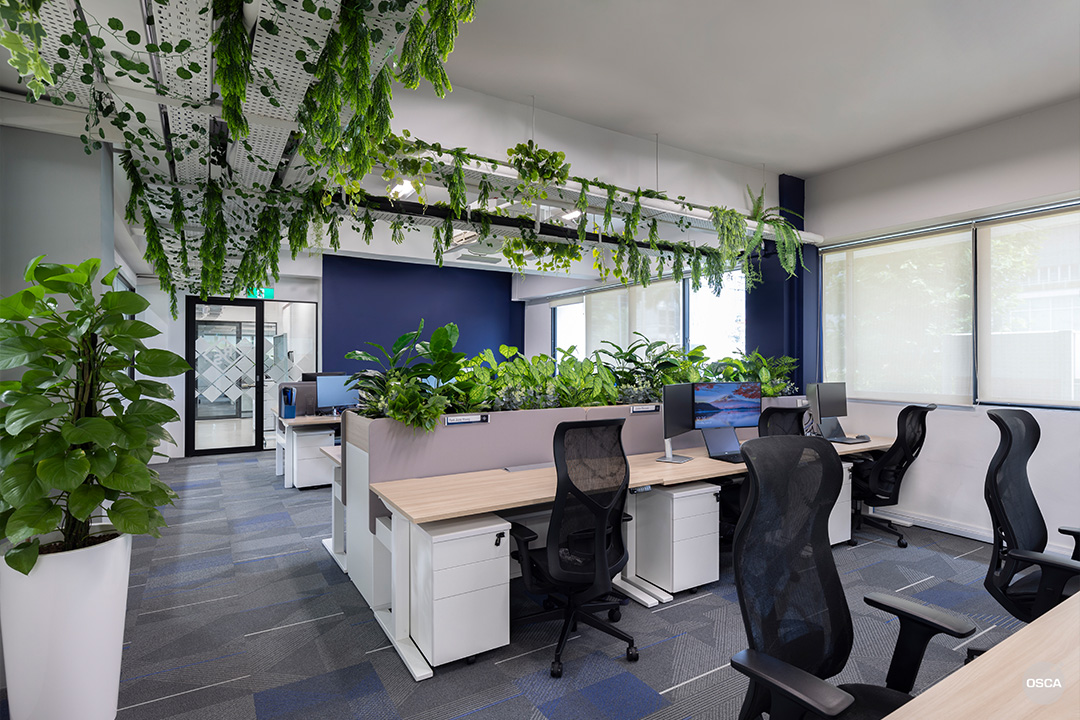
These flexible arrangements not only support hybrid work but also help companies adapt to changing team sizes and project needs.
Technology and Connectivity in Hybrid Office Environments
Effective hybrid offices rely on robust technology infrastructure. Some of the most impactful advancements include:
- Video Conferencing Integration: Meeting rooms equipped with high-quality cameras, microphones, and screens ensure seamless communication between in-office and remote participants.
- Smart Room Booking: Digital systems allow employees to reserve desks or meeting spaces in advance, reducing friction and optimizing space usage.
- Wireless Connectivity: Reliable Wi-Fi and charging stations throughout the office are essential for mobility and productivity.
- Collaboration Platforms: Tools like Slack, Microsoft Teams, and project management apps keep teams connected regardless of location.
Investing in these technologies is a cornerstone of successful hybrid office buildouts, enabling smooth transitions between remote and in-person work modes.
Wellness-Focused Design and Sustainability
Employee well-being is a top priority in contemporary office projects. Companies are incorporating wellness and sustainability into their plans by:
- Maximizing Natural Light: Large windows and glass partitions help bring daylight into workspaces, improving mood and energy.
- Biophilic Elements: Incorporating plants, green walls, and natural materials creates a calming, restorative environment.
- Air Quality Improvements: Advanced HVAC systems and air purifiers support healthier indoor environments.
- Eco-Friendly Materials: Using recycled, low-VOC, and locally sourced materials reduces environmental impact.
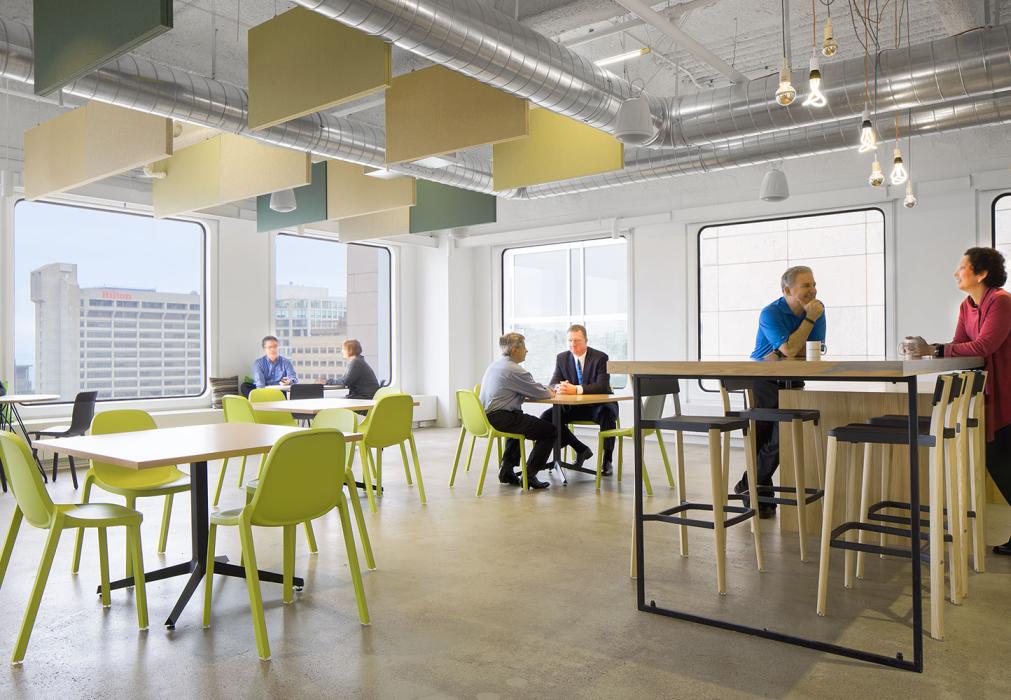
These wellness-focused strategies not only enhance employee satisfaction but also contribute to higher productivity and retention rates.
Space Optimization and Cost Efficiency
As organizations embrace hybrid work, many are downsizing their physical offices or reconfiguring existing layouts to maximize efficiency. Key approaches include:
- Desk Sharing: Reducing the number of permanent desks lowers real estate costs and encourages flexible work habits.
- Modular Furniture: Easily movable desks, partitions, and seating allow for quick reconfiguration as needs change.
- Storage Solutions: Lockers and smart storage systems help employees transition smoothly between remote and in-office work.
- Shared Amenities: Centralized kitchens, lounges, and meeting rooms reduce duplication and foster community.
Space optimization is not just about saving money—it’s about creating an environment that supports the evolving needs of a hybrid workforce. For more ideas on optimizing compact spaces, explore kitchen remodeling compact kitchen ideas.
Emerging Aesthetic and Functional Trends
Beyond layout and technology, aesthetics play a significant role in modern office environments. Some of the latest trends include:
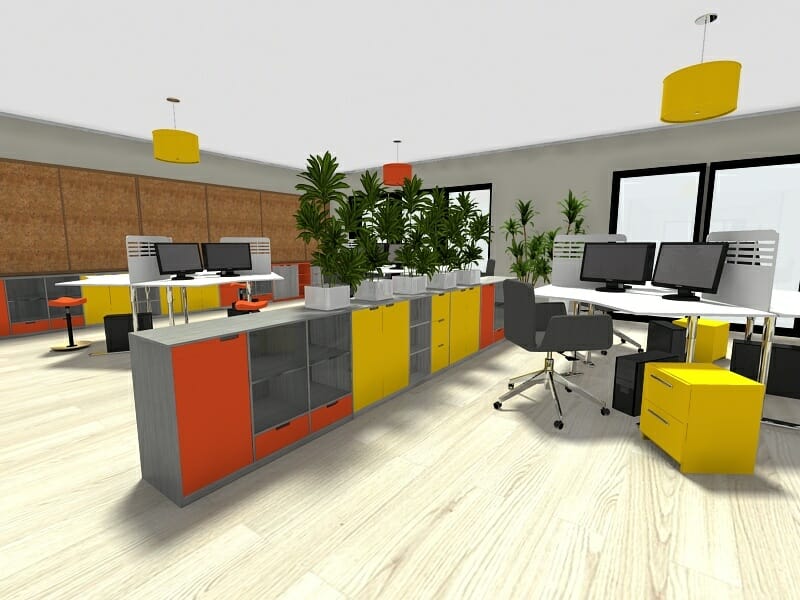
- Bold Colors and Accents: Vibrant hues and statement walls add energy and personality to workspaces.
- Acoustic Solutions: Sound-absorbing panels and soft furnishings help reduce noise in open-plan offices.
- Personalization: Allowing employees to personalize their work areas fosters a sense of ownership and comfort.
- Inclusive Design: Accessible layouts and ergonomic furniture ensure that all team members can work comfortably.
These design choices reflect a broader shift toward creating offices that are not only functional but also inspiring and inclusive.
Frequently Asked Questions
What are the main benefits of hybrid office buildouts?
Hybrid office buildouts offer greater flexibility, improved employee satisfaction, and better space utilization. By blending remote and in-person work, companies can attract and retain top talent while optimizing their real estate investments.
How can technology support hybrid office environments?
Technology is essential for connecting distributed teams. Integrated video conferencing, smart booking systems, and collaboration platforms enable seamless communication and efficient use of office resources.
What should be prioritized when planning a new office buildout?
Focus on flexibility, wellness, and technology integration. Ensure that spaces can adapt to changing needs, prioritize employee health and comfort, and invest in digital tools that support hybrid collaboration.
Conclusion
The evolution of workplace design is being driven by the need for flexibility, connectivity, and well-being. By staying informed about the latest office buildout hybrid office trends, organizations can create environments that support productivity, innovation, and employee satisfaction. Whether you’re planning a new buildout or updating an existing space, these trends provide a roadmap for success in the hybrid era.