

Many historic and vintage houses were built before modern standards for airflow and indoor air quality. As a result, ventilation for older homes is a crucial topic for homeowners seeking to maintain comfort, reduce moisture, and protect both the building and its occupants. Understanding the unique challenges and practical solutions for improving air movement in these properties can help prevent issues like mold, musty odors, and energy inefficiency.
Whether you’re renovating a classic bungalow or maintaining a century-old farmhouse, addressing airflow can make a significant difference in your home’s health and longevity. This article explores the reasons why older properties often struggle with air exchange, discusses practical upgrades, and provides actionable tips for creating a healthier indoor environment.
For those also interested in maximizing space and comfort, check out kitchen remodeling space optimization tips for small kitchens, which can complement your efforts to improve air quality throughout your home.
Why Airflow Is a Challenge in Vintage Houses
Many older properties were constructed with different materials and building techniques than those used today. Solid masonry walls, minimal insulation, and single-pane windows are common. While these features can give a home character, they also create obstacles for effective air circulation and moisture management.
- Sealed Upgrades: Over time, many homeowners have added insulation, new windows, and weatherstripping to reduce drafts. While these upgrades improve energy efficiency, they can also trap humidity and pollutants inside.
- Outdated Systems: Original heating and cooling systems may not include modern air exchange or filtration, leading to stagnant air and uneven temperatures.
- Hidden Moisture: Crawl spaces, basements, and attics in older homes are often poorly ventilated, increasing the risk of mold and wood rot.
Common Signs of Poor Ventilation
Recognizing the symptoms of inadequate airflow is the first step toward improvement. Some indicators include:
- Persistent condensation on windows
- Musty or stale odors, especially after rain
- Visible mold or mildew on walls, ceilings, or in corners
- Peeling paint or wallpaper
- Excessive dust buildup
If you notice these issues, it’s time to evaluate your home’s air movement and consider practical solutions.
Natural and Mechanical Solutions for Better Air Quality
Improving ventilation in older homes often requires a combination of traditional and modern strategies. Here are some effective options:
Maximizing Natural Airflow
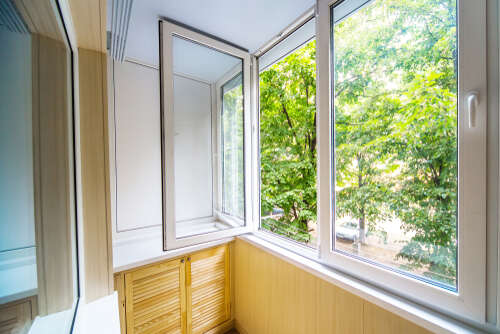
One of the simplest ways to boost air circulation is by making the most of existing windows and doors. Cross-ventilation—opening windows on opposite sides of a room or house—can quickly refresh indoor air. Installing window screens allows for safe airflow without letting in insects or debris.
Consider adding or restoring transom windows above doors, which were common in older architecture for this very purpose. These small windows can be opened to allow rising warm air to escape, even when doors are closed.
Upgrading Mechanical Systems
When natural airflow isn’t enough, mechanical options can provide a significant boost. Installing exhaust fans in bathrooms and kitchens helps remove excess humidity and odors. Whole-house fans, attic fans, and energy recovery ventilators (ERVs) can all contribute to improved air exchange.
For homes with forced-air heating or cooling, adding a high-quality air filtration kit can reduce dust and allergens. Ceiling exhaust fans are another effective way to move air out of stagnant spaces.

Moisture Management and Mold Prevention
One of the main reasons to improve airflow in older buildings is to control moisture. Excess humidity can lead to mold, mildew, and even structural damage over time. Here are a few practical steps:
- Use exhaust fans when cooking, bathing, or doing laundry
- Install vapor barriers in crawl spaces and basements
- Check for leaks around windows, roofs, and foundations
- Maintain gutters and downspouts to direct water away from the house
- Consider a dehumidifier in damp areas
Regularly inspecting your home for signs of moisture and addressing issues promptly can prevent costly repairs down the line.
Modern Approaches to Air Exchange in Historic Properties
Today’s technology offers several ways to enhance ventilation for older homes without compromising their character. Energy recovery ventilators (ERVs) and heat recovery ventilators (HRVs) are designed to bring in fresh air while retaining energy from outgoing air, making them efficient for both comfort and cost.
For more technical insights, explore Daikin’s guide to modern ventilation systems, which covers the science behind air exchange and the latest solutions for residential buildings.
When planning upgrades, consult with professionals who understand the unique needs of historic structures. They can recommend systems that respect your home’s architecture while delivering modern performance.
Tips for Maintaining Healthy Air in Older Houses
Keeping your home’s air fresh and healthy is an ongoing process. Here are some maintenance tips:
- Open windows regularly when weather allows
- Clean exhaust fans and replace filters as needed
- Inspect attic and crawl space vents for blockages
- Seal gaps and cracks, but avoid over-sealing to the point of trapping moisture
- Schedule annual HVAC inspections
Combining these habits with targeted upgrades will help ensure your home remains comfortable and safe for years to come.
Frequently Asked Questions
How can I improve airflow without major renovations?
Simple steps like opening windows for cross-ventilation, using portable fans, and installing exhaust fans in kitchens and bathrooms can make a noticeable difference. Adding or restoring transom windows and regularly cleaning vents also help.
Are mechanical ventilation systems safe for historic homes?
Yes, modern systems like ERVs and HRVs can be installed with minimal impact on historic features. It’s important to work with contractors experienced in older properties to ensure proper installation and preservation of architectural details.
What are the risks of poor ventilation in older houses?
Insufficient airflow can lead to moisture buildup, mold growth, musty odors, and even structural damage over time. It can also negatively affect indoor air quality, triggering allergies and respiratory issues.
By understanding the unique needs of older properties and taking a proactive approach to air movement, you can enjoy the charm of your vintage home while maintaining a healthy, comfortable environment. For more inspiration on home upgrades, explore topics like kitchen remodeling compact kitchen ideas to make the most of every space in your house.


