
Understanding how doors influence airflow is essential for anyone looking to improve indoor comfort, energy efficiency, and air quality. The way doors are positioned, opened, or closed can have a significant impact on the movement of air throughout a home or building. Whether you are considering a renovation, managing a ventilation system, or simply trying to keep your living space comfortable, recognizing the role of doors in air circulation can make a noticeable difference.
Doors act as both barriers and pathways for air. Their placement, material, and how often they are left open or closed all contribute to the overall effectiveness of ventilation. This article explores the science behind airflow, the practical effects of doors on ventilation, and actionable tips for optimizing your space. If you are interested in related topics such as maximizing small spaces, you might find value in our guide on kitchen remodeling space optimization tips.
The Science of Air Movement in Buildings
Airflow within a building is governed by several factors, including pressure differences, temperature gradients, and the layout of rooms and openings. Doors play a pivotal role in either facilitating or restricting the movement of air. When a door is closed, it can create a sealed environment, limiting the exchange of air between rooms. Conversely, an open door provides a passageway for air to flow, balancing temperatures and distributing fresh air.
Mechanical systems such as HVAC units and exhaust fans are designed to move air efficiently, but their effectiveness can be compromised if doors are not used strategically. For example, a closed door can prevent conditioned air from reaching certain areas, leading to hot or cold spots and reducing overall comfort.
How Door Position Affects Ventilation
The position of a door—whether it is open, closed, or partially ajar—directly affects ventilation patterns. Here are a few key considerations:
- Open doors allow air to move freely, promoting cross-ventilation and helping to equalize temperature and humidity levels.
- Closed doors can isolate rooms, which may be beneficial for privacy or noise reduction but can hinder airflow and trap stale air.
- Partially open doors can create controlled airflow, allowing some air exchange while maintaining a degree of separation between spaces.
For homes with central air systems, leaving interior doors open can help maintain consistent temperatures throughout the house. In contrast, closing doors may be useful in situations where you want to contain heat or cool air in a specific area, such as a bedroom at night.
Types of Doors and Their Impact on Air Circulation
Different door designs can have varying effects on airflow:
- Solid doors provide a strong barrier, limiting air transfer between rooms. These are common for bedrooms and bathrooms.
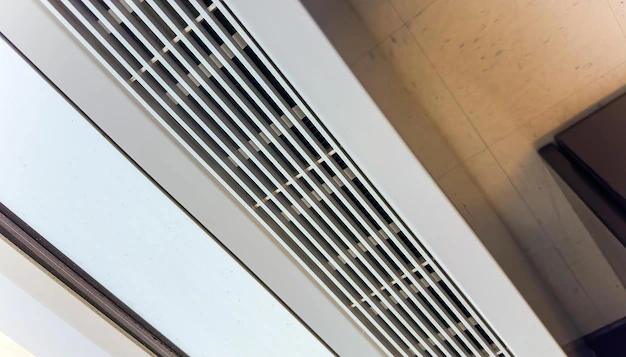
- Louvered or vented doors include built-in slats or vents, allowing air to pass through even when the door is closed. These are often used for closets, laundry rooms, or mechanical rooms to ensure adequate ventilation.
- Sliding doors can be left partially open to control the amount of airflow, but may not seal as tightly as hinged doors.
- Double doors or French doors can be opened wide to maximize air movement between larger spaces.
Choosing the right door type for each room can help balance privacy needs with the desire for effective ventilation. For example, using vented doors for utility spaces can prevent moisture buildup and improve air quality.
Optimizing Airflow for Comfort and Efficiency
To make the most of your home’s ventilation, consider these practical strategies:
- Keep interior doors open during the day to encourage air movement and reduce temperature differences between rooms.
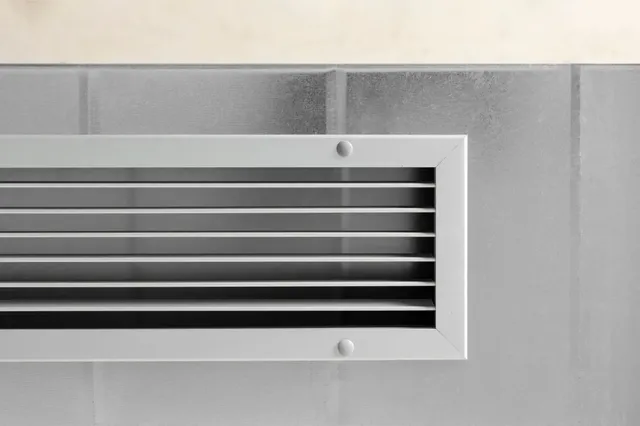
- Install door undercuts or transfer grilles to allow air to flow beneath or through closed doors, which is especially helpful for rooms with supply vents but no return ducts.
- Use exhaust fans in bathrooms and kitchens to remove stale or humid air, and keep doors slightly open to aid in air replacement.
- Monitor humidity and air quality to ensure that closing doors does not lead to problems like mold growth or lingering odors.
- Consider mechanical ventilation systems if your home is tightly sealed, as these can provide controlled fresh air intake and exhaust.
For more technical insights on ventilation, you can explore Daikin’s guide to ventilation technology, which covers advanced solutions for maintaining healthy indoor air.

Common Issues Caused by Poor Door Placement
Improper use or placement of doors can lead to several problems, including:
- Uneven temperatures: Rooms may become too hot or cold if doors block airflow from heating or cooling systems.
- Stale air and odors: Limited air movement can cause musty smells or lingering cooking odors in closed-off spaces.
- Increased humidity: Bathrooms and laundry areas without adequate ventilation can develop moisture issues, leading to mold or mildew.
- Reduced energy efficiency: HVAC systems may work harder to compensate for blocked airflow, increasing energy costs.
Addressing these issues often involves a combination of keeping doors open when possible, using vented door designs, and supplementing with fans or ventilation equipment.
Integrating Door Strategies with Home Design
When planning a remodel or new construction, it is wise to consider how door placement and type will affect air movement. For example, in compact kitchens or open-plan living areas, strategic use of doors can help direct airflow where it is needed most. If you are interested in design ideas that balance function and aesthetics, our article on kitchen remodeling visual balance tips offers practical advice for creating harmonious interiors.
Incorporating features like transom windows above doors, or using pocket doors that can be fully retracted, can also enhance ventilation without sacrificing privacy or style.
FAQ
Why does closing interior doors affect air conditioning efficiency?
When interior doors are closed, air cannot circulate freely between rooms. This can trap conditioned air in one area and prevent it from reaching others, making your HVAC system work harder to maintain a consistent temperature throughout the home.
Are vented doors effective for improving airflow?
Yes, vented or louvered doors allow air to pass through even when closed, which can help maintain ventilation in spaces like closets, laundry rooms, or utility areas. They are especially useful in homes with central air systems or where moisture control is important.
How can I improve airflow in rooms without windows?
For windowless rooms, consider installing transfer grilles, undercutting doors, or using mechanical ventilation such as exhaust fans. Keeping doors open when possible and using air filtration kits can also help maintain fresh air and prevent stuffiness.