

Successfully managing an office buildout requires more than just a vision for the finished space. One of the most critical elements is office buildout vendor coordination. Bringing together general contractors, electricians, IT specialists, furniture suppliers, and other vendors can be complex, but with the right strategies, you can ensure a smooth, on-time, and on-budget project.
Whether you’re overseeing a full renovation or a smaller office upgrade, understanding how to coordinate multiple vendors is essential. This guide covers proven methods for streamlining communication, setting clear expectations, and minimizing costly delays. If you’re interested in optimizing other areas of your workspace, you might also find inspiration in kitchen remodeling space optimization tips for small kitchens, which offer practical approaches to maximizing efficiency in compact environments.
Why Effective Vendor Coordination Matters in Office Projects
Coordinating multiple vendors is a cornerstone of any successful office buildout. When vendors are aligned, projects move forward efficiently, and risks of miscommunication or rework are minimized. Poor coordination, on the other hand, can lead to delays, budget overruns, and even safety hazards. By prioritizing vendor coordination for office buildouts, you create a foundation for a seamless construction process and a workspace that meets your organization’s needs.
Key Steps for Streamlined Office Buildout Vendor Coordination
Managing a buildout involves juggling timelines, budgets, and the unique requirements of each vendor. Here are essential steps to keep your project on track:
- Define project scope and goals early. Clearly outline what needs to be accomplished and communicate this to all vendors from the outset.
- Establish a single point of contact. Assign a project manager or coordinator who will oversee all vendor communications and decisions.
- Create a detailed project schedule. Develop a master timeline that includes milestones for each vendor’s deliverables and dependencies.
- Hold regular coordination meetings. Weekly or bi-weekly check-ins help identify issues early and keep everyone accountable.
- Use collaborative tools. Project management software can centralize documents, schedules, and updates, making it easier for vendors to stay informed.
- Document everything. Keep written records of agreements, changes, and approvals to avoid confusion later.
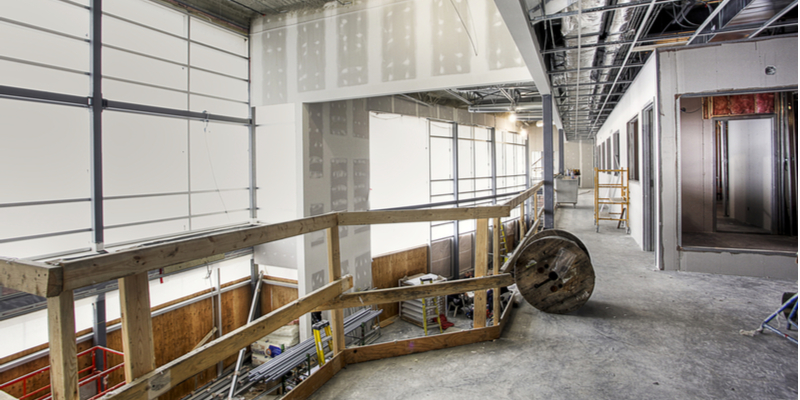
Common Challenges in Multi-Vendor Office Buildouts
Even with a solid plan, challenges can arise when coordinating several vendors. Some of the most frequent issues include:
- Overlapping responsibilities. Without clear boundaries, vendors may duplicate efforts or overlook critical tasks.
- Schedule conflicts. Delays from one vendor can have a domino effect on others, impacting the overall timeline.
- Communication breakdowns. Misunderstandings can lead to mistakes, rework, or missed deadlines.
- Scope creep. Uncontrolled changes or additions can disrupt coordination and inflate costs.
Anticipating these challenges and addressing them proactively is key to maintaining momentum and ensuring a successful outcome.
Best Practices for Vendor Communication and Collaboration
Effective communication is at the heart of successful office buildout vendor coordination. Consider these best practices to foster collaboration:
- Kickoff meetings. Start the project with a meeting that brings all vendors together to clarify roles, expectations, and communication protocols.
- Centralized documentation. Use shared folders or project management platforms to store plans, permits, and updates accessible to all stakeholders.
- Transparent reporting. Encourage vendors to provide regular progress updates and flag potential issues as soon as they arise.
- Conflict resolution process. Establish a clear process for resolving disputes or misunderstandings quickly and fairly.
For more insights on planning and managing office buildouts, you can review these office buildout planning tips for manufacturing facilities, which offer valuable strategies applicable to a range of commercial projects.

Integrating Technology for Better Vendor Management
Modern office buildouts benefit greatly from digital tools that enhance coordination. Project management platforms, cloud-based document storage, and real-time communication apps can help keep everyone aligned. Some benefits include:
- Real-time updates. Changes to schedules or plans are instantly visible to all vendors.
- Task tracking. Assign and monitor tasks to ensure no detail is overlooked.
- Centralized communication. Reduce email overload and miscommunication by keeping discussions within a single platform.
Leveraging technology not only streamlines processes but also provides a clear audit trail, which is invaluable for accountability and future reference.
Tips for Avoiding Delays and Cost Overruns
Delays and unexpected expenses are common risks in office construction projects. Here are some practical ways to minimize these issues:
- Prequalify vendors. Choose experienced vendors with a track record of reliability and quality work.
- Align schedules early. Coordinate vendor timelines before work begins to identify and resolve conflicts.
- Monitor progress closely. Regular site visits and progress reports help catch issues before they escalate.
- Plan for contingencies. Include buffer time and budget for unforeseen circumstances.
By following these tips, you can keep your project on schedule and within budget, while maintaining strong relationships with your vendors.
How to Ensure Quality and Compliance During Office Buildouts
Quality assurance and regulatory compliance are non-negotiable in any office renovation. To achieve both, consider these steps:
- Set clear quality standards. Define expectations for materials, workmanship, and safety from the start.
- Conduct regular inspections. Schedule walkthroughs at key milestones to verify work meets specifications.
- Stay updated on regulations. Ensure all vendors are aware of and adhere to local building codes and industry standards.
- Document compliance. Keep records of permits, inspections, and approvals for future reference.
Maintaining a focus on quality and compliance protects your investment and ensures a safe, functional workspace for your team.
FAQ: Office Buildout Vendor Coordination
What is the role of a project manager in coordinating vendors?
The project manager acts as the central point of contact, overseeing all communications, scheduling, and decision-making between vendors and stakeholders. This role is essential for maintaining alignment, resolving conflicts, and ensuring the project stays on track.
How can I prevent miscommunication between vendors during a buildout?
Establish clear communication protocols, use centralized project management tools, and hold regular coordination meetings. Document all agreements and changes in writing to avoid misunderstandings.
What should I look for when selecting vendors for an office renovation?
Prioritize vendors with relevant experience, strong references, and a history of timely, high-quality work. Ensure they are familiar with local codes and have the capacity to meet your project’s timeline and requirements.