

Transforming your kitchen can be one of the most rewarding home improvement projects. Whether you’re looking to update a dated space, improve functionality, or simply add value to your home, exploring kitchen remodeling before and after ideas is a great way to spark creativity and set your vision. In this guide, you’ll find practical inspiration, real-world examples, and expert tips to help you plan a successful kitchen makeover.
From clever storage solutions to bold color choices and layout improvements, seeing how others have reimagined their kitchens can help you make informed decisions for your own project. If you’re working with a smaller space, you might also find value in these kitchen remodeling compact kitchen ideas to maximize every inch.

Why Explore Kitchen Makeover Transformations?
Looking at before and after kitchen remodels can be incredibly motivating. These transformations highlight what’s possible, regardless of your kitchen’s current state. They also reveal common challenges—like outdated cabinetry, poor lighting, or cramped layouts—and how creative solutions can address them. By studying a variety of projects, you’ll discover trends, timeless upgrades, and innovative features that might work in your own home.
For those interested in adding unique touches, consider incorporating texture design ideas or accent wall ideas to give your kitchen extra personality and depth.
Popular Kitchen Remodeling Before and After Ideas
Let’s explore some of the most effective ways homeowners have transformed their kitchens, along with practical tips for each approach.
1. Opening Up the Layout
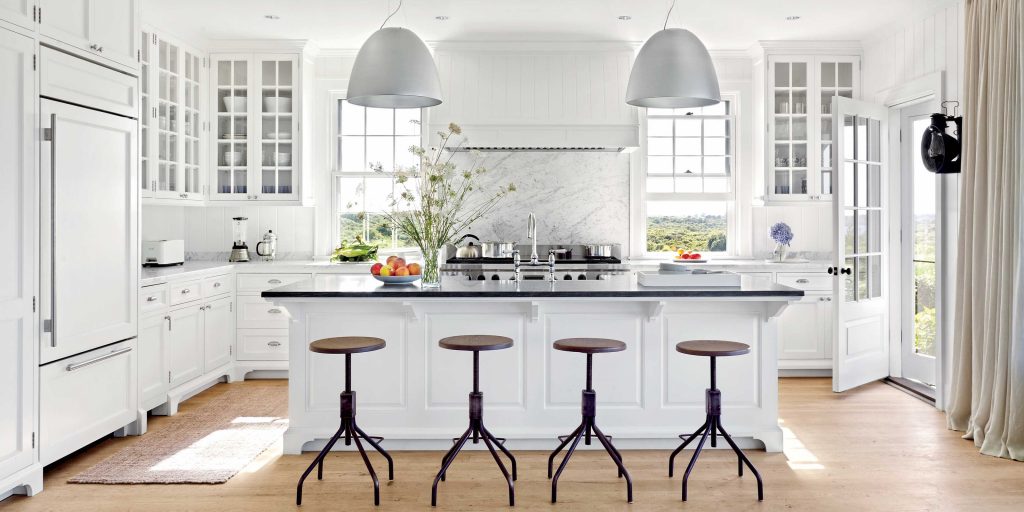
Many older kitchens feel closed off from the rest of the home. Removing non-structural walls or reconfiguring the space can create an open-concept kitchen that’s perfect for entertaining and family gatherings. This approach often includes:
- Combining kitchen and dining areas for better flow
- Adding a kitchen island for prep space and seating
- Maximizing natural light with larger windows or glass doors
Open layouts not only make the space feel larger but also improve sightlines and functionality.
2. Upgrading Cabinets and Storage
Cabinetry is often the most noticeable feature in any kitchen. Swapping out old cabinets for modern designs or simply refinishing them can dramatically change the look and feel of the room. Consider these upgrades:
- Installing shaker-style or flat-panel doors for a contemporary look
- Adding pull-out shelves, lazy Susans, or deep drawers for better organization
- Choosing two-tone cabinetry or open shelving for visual interest
Smart storage solutions not only improve aesthetics but also make daily tasks more efficient.
3. Refreshing Countertops and Backsplashes
Replacing outdated countertops and backsplashes is a straightforward way to modernize your kitchen. Popular materials include quartz, granite, butcher block, and even concrete for a sleek, durable surface. Eye-catching backsplashes—like subway tile, mosaic, or patterned ceramic—can serve as a focal point and tie the design together.
Pairing new surfaces with updated lighting, such as under-cabinet LEDs or recessed fixtures, can further enhance the transformation. For more lighting inspiration, check out the recommended recessed lighting options above.
Color and Finish Transformations
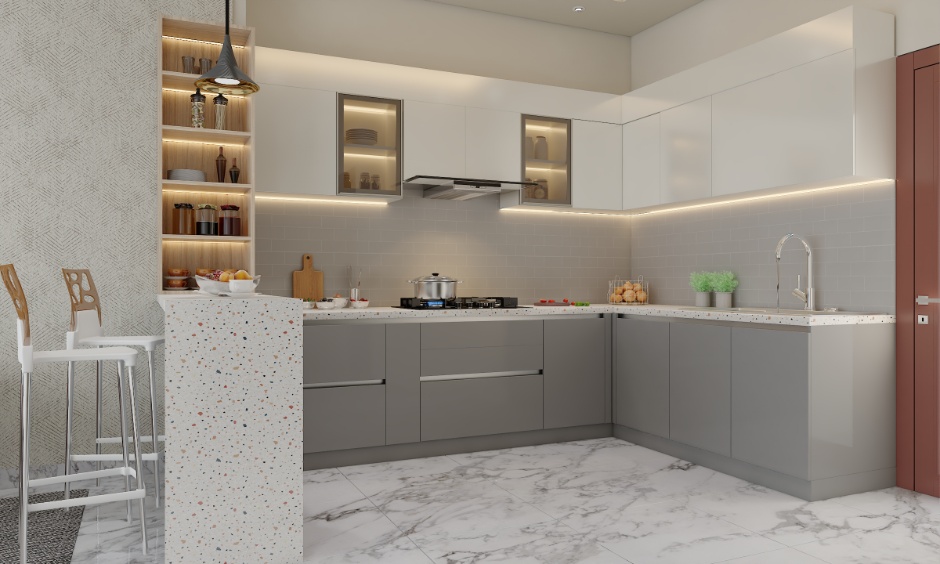
Color plays a crucial role in any kitchen remodel. Whether you prefer bold hues or timeless neutrals, a fresh coat of paint can make a world of difference. Some trending approaches include:
- White or light gray walls and cabinets for a bright, airy feel
- Deep blues, greens, or even black for a dramatic, modern touch
- Mixing matte and glossy finishes for added depth
Don’t underestimate the impact of hardware—swapping out old knobs and pulls for new finishes like brushed brass or matte black can instantly update the space.
Functional Upgrades for Modern Kitchens
Beyond aesthetics, a successful remodel should improve how you use your kitchen. Consider these functional upgrades inspired by real-world transformations:
- Installing energy-efficient appliances to save on utility bills
- Adding a deep, single-basin sink for easier cleanup
- Incorporating a pantry or additional storage for bulk items
- Improving ventilation with a modern range hood
For those working with limited space, these space optimization tips can help you make the most of every square foot.
Planning Your Own Kitchen Transformation
Before you start your renovation, take time to assess your needs, set a realistic budget, and gather inspiration. Reviewing kitchen remodeling before and after ideas can help you clarify your goals and avoid common pitfalls. For a step-by-step approach, refer to this comprehensive guide to kitchen remodeling planning, budgeting, and execution.
Don’t forget to factor in your lifestyle, cooking habits, and storage requirements. The best remodels are those that balance beauty with everyday practicality.
Tips for a Successful Kitchen Makeover
- Set clear priorities—decide what matters most: layout, storage, style, or appliances.
- Work with professionals for structural changes or electrical work.
- Order materials early to avoid delays.
- Consider resale value if you plan to move in the future.
- Incorporate elements of visual balance to create a harmonious design.
Remember, even small updates—like new lighting or hardware—can have a big impact when thoughtfully chosen.
FAQ
What is the most cost-effective way to update a kitchen?
Painting cabinets, updating hardware, and installing a new backsplash are some of the most budget-friendly ways to refresh your kitchen. These changes can dramatically improve the look of your space without a full renovation.
How do I choose the right color scheme for my kitchen?
Start by considering the amount of natural light in your kitchen and your personal style. Light colors can make a small kitchen feel larger, while bold hues add personality. Look at before and after kitchen remodels for inspiration and test paint samples before committing.
How long does a typical kitchen remodel take?
The timeline varies based on the scope of work. Cosmetic updates might take a few days to a week, while full renovations can last several weeks or even months. Planning ahead and working with experienced professionals can help keep your project on track.

