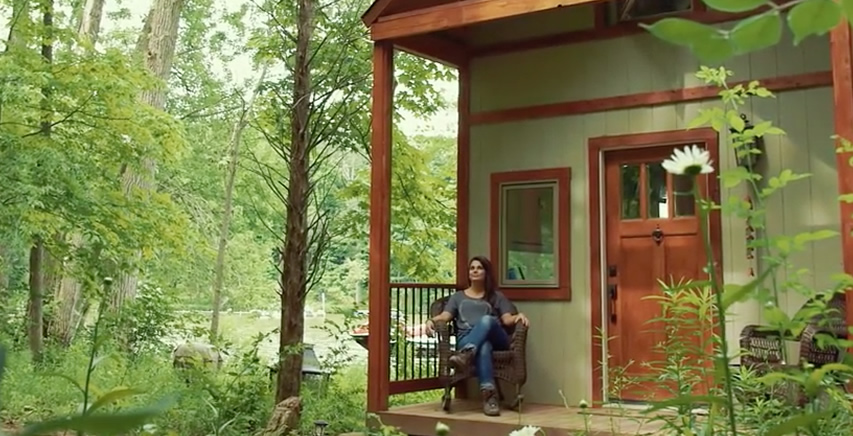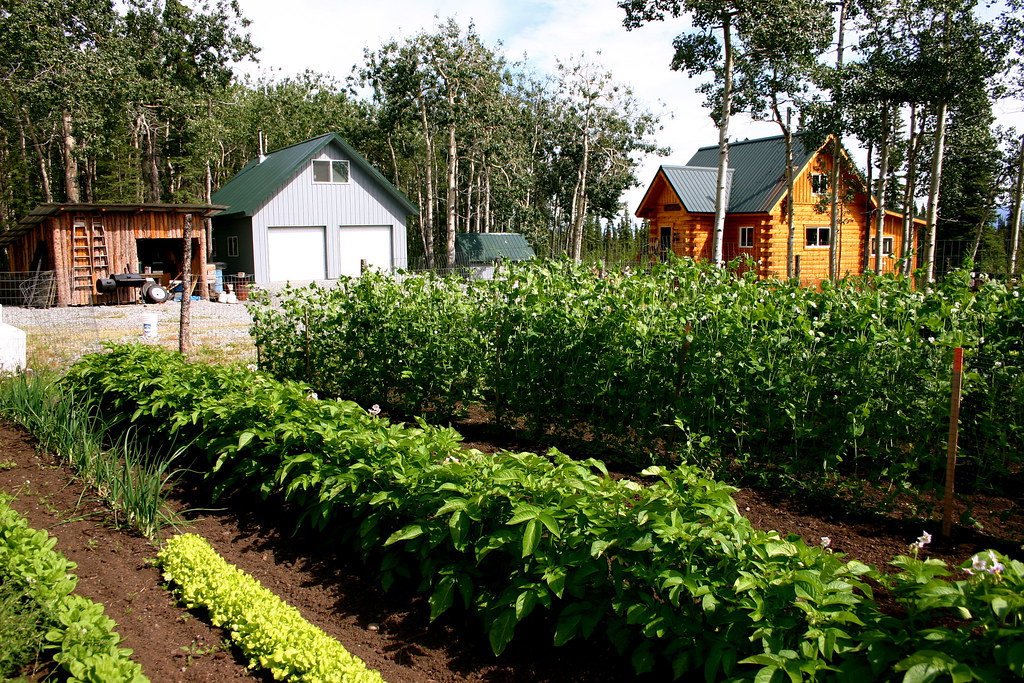

Making the move to an off-grid lifestyle is a significant decision that involves more than just disconnecting from public utilities. For many, it’s about embracing self-sufficiency, reducing environmental impact, and gaining greater control over daily routines. However, the process of transitioning to off-grid life comes with unique challenges and requires careful planning, practical skills, and a willingness to adapt.
Whether you’re motivated by environmental concerns, a desire for independence, or simply seeking a simpler way of living, understanding the essentials of this journey is crucial. From selecting the right land to managing resources and building new routines, each step demands thoughtful consideration. If you’re looking for inspiration from others who have made this leap, you might enjoy reading some off-grid living success stories to see what’s possible.
Key Considerations Before Making the Leap
Before you begin the process of moving toward off-grid living, it’s important to assess your motivations and expectations. Are you looking for total independence, or do you plan to maintain some connections to the grid? Do you have the skills and resources needed to build and maintain essential systems?
- Location: The land you choose will determine your access to water, sunlight, and building materials. Research zoning laws, water rights, and climate conditions.
- Budget: Initial costs can be significant, especially for land, infrastructure, and tools. Create a realistic budget that includes setup and ongoing maintenance.
- Skill Set: Skills in construction, gardening, animal care, and basic repairs are invaluable. Consider taking courses or learning from others before you start.
- Mindset: Living off-grid requires adaptability, patience, and a willingness to learn from mistakes.
For practical tips on daily routines and maximizing efficiency, check out these off-grid homestead routines that can help you get started on the right foot.
Land Selection and Resource Management
Choosing the right property is foundational for anyone transitioning to a self-sufficient lifestyle. Look for land with reliable water sources, good soil, and enough sunlight for solar energy. Proximity to natural resources like wood or wild edibles can also be a big advantage.
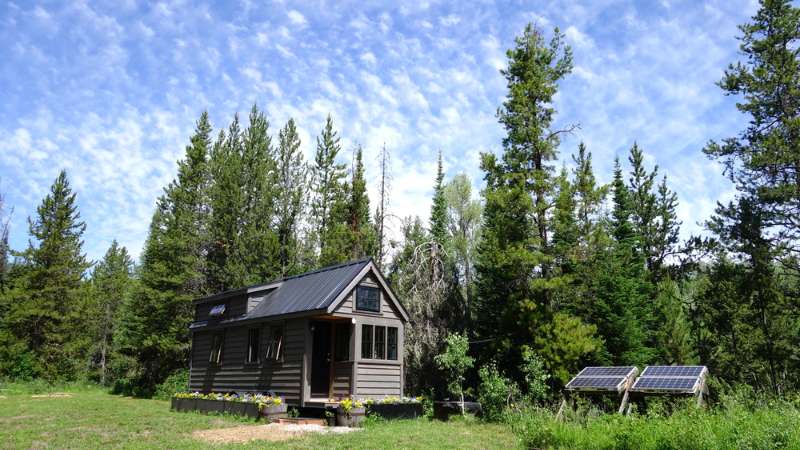
Water is often the most critical resource. Wells, springs, rainwater catchment, or nearby streams can provide what you need, but each comes with its own challenges. Solar, wind, and micro-hydro are common choices for off-grid energy, but your location will determine which is most practical. Consider backup solutions for times when your primary system is unavailable.
For a deeper dive into the essentials, the off-grid living essentials guide provides a comprehensive overview of what you’ll need to get started.
Building Shelter and Infrastructure
Constructing your home and supporting structures is a major part of the journey. Some choose to build from scratch using local materials, while others opt for prefabricated cabins or tiny homes. Key infrastructure includes:
- Water Systems: Wells, filtration, and storage tanks.
- Energy: Solar panels, wind turbines, batteries, and backup generators.
- Waste Management: Composting toilets, greywater systems, and recycling.
- Food Production: Gardens, greenhouses, and animal shelters.
Investing in raised garden beds can make food production more manageable, especially in areas with poor soil. If you’re interested in sustainable daily habits, explore green living off-grid for practical ideas.
Food Production and Livestock
Growing your own food is central to living independently from the grid. Start with crops suited to your climate and soil. Raised beds, permaculture techniques, and companion planting can boost yields and reduce pests. Preserving food through canning, drying, or fermenting helps ensure you have supplies year-round.
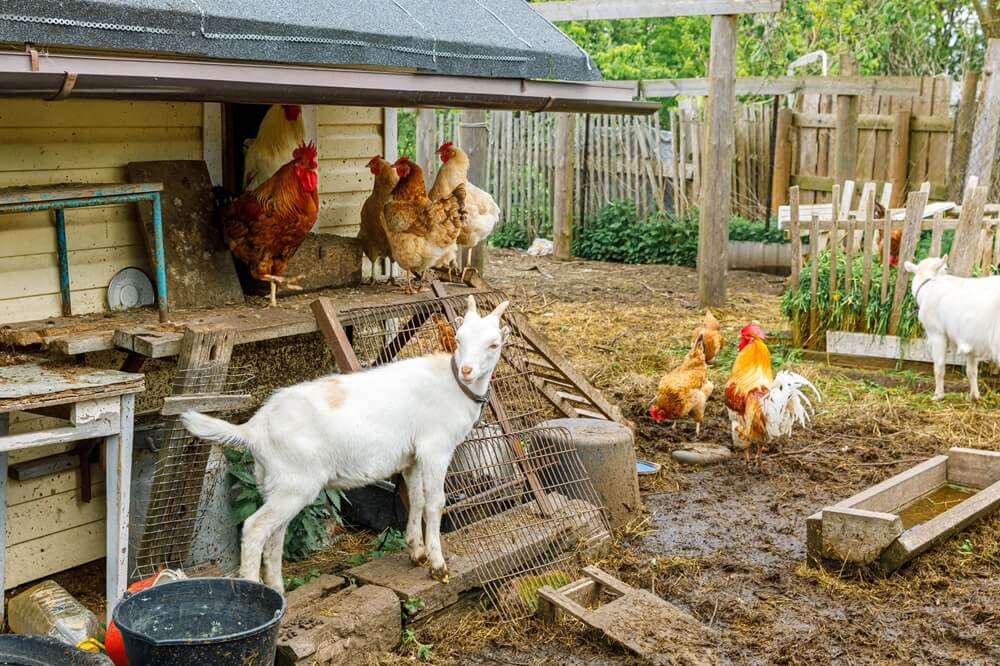
Raising animals such as chickens, goats, or rabbits can provide eggs, milk, and meat. Start small and expand as you gain experience. Automated coop doors and smart feeders can make animal care more efficient, especially during harsh weather or busy periods.
Developing Daily Routines and Building Community
Establishing effective routines is essential for maintaining your homestead. Tasks like collecting water, tending gardens, and caring for animals become part of your daily rhythm. Over time, you’ll find ways to streamline chores and make life more manageable.
Connecting with neighbors and local communities can be invaluable. Sharing resources, trading skills, and offering support during emergencies helps build resilience. Many off-grid communities host workshops, bartering events, and social gatherings that foster a sense of belonging.
For more inspiration on creating a resilient and independent lifestyle, explore these self-sufficient homestead ideas.
Common Challenges and How to Overcome Them
While the rewards of adopting an off-grid lifestyle are many, challenges are inevitable. Some of the most common obstacles include:
- Weather Extremes: Prepare for storms, droughts, and cold snaps with backup systems and emergency supplies.
- Equipment Failures: Learn basic repair skills and keep spare parts on hand.
- Isolation: Stay connected with friends, family, and online communities for support and advice.
- Legal and Regulatory Issues: Research local laws regarding building codes, water rights, and waste disposal before you begin.
Patience and flexibility are key. Expect setbacks, but remember that each challenge is an opportunity to learn and grow.
FAQ
What skills are most important for off-grid living?
Essential skills include basic construction, gardening, animal husbandry, first aid, and troubleshooting mechanical or electrical systems. The more you can do yourself, the smoother your transition will be.
How much land do I need to live off-grid?
The amount of land required depends on your goals. For a small homestead with a garden and a few animals, 1–5 acres may be enough. If you want to grow most of your own food or raise larger livestock, you may need more space.
Can I start living off-grid gradually?
Yes, many people begin by adopting off-grid practices while still connected to utilities. You can start with solar panels, rainwater collection, or growing your own food, and gradually increase your independence over time.