
Embracing a lifestyle away from public utilities and city infrastructure is a bold decision. Many people are drawn to the independence and sustainability that come with living off the grid, but the reality often involves a steep learning curve. From securing reliable energy sources to managing water and waste, the challenges of off-grid living can test even the most determined individuals. Understanding these obstacles—and how to address them—can make the difference between frustration and fulfillment.
If you’re considering a move toward self-sufficiency, it’s helpful to learn from those who have already made the leap. For inspiration and practical advice, check out off-grid living success stories from real homesteaders. Their experiences highlight both the hurdles and the rewards of this unique way of life.
Energy Independence: Powering Your Off-Grid Home
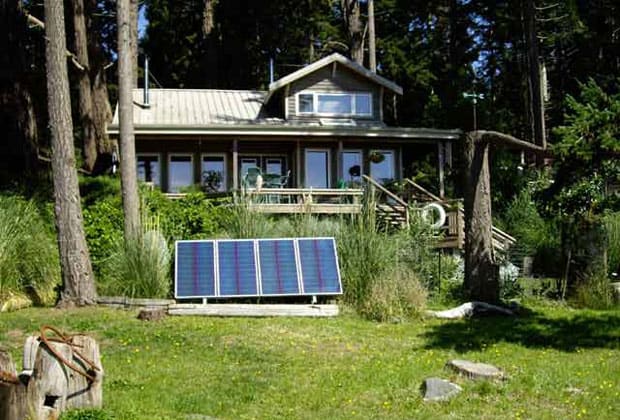
One of the most significant off-grid living challenges is generating and managing your own electricity. Without access to the public grid, you’ll need to rely on solar panels, wind turbines, or generators. Each option comes with its own set of pros and cons:
- Solar power is clean and increasingly affordable, but it requires a substantial upfront investment and works best in sunny climates.
- Wind turbines can supplement solar, especially in windy areas, but they require maintenance and careful siting.
- Generators offer backup power but depend on fuel, which can be costly and less sustainable.
To overcome these obstacles, start by assessing your location’s resources. Invest in high-quality batteries for energy storage and monitor your usage closely. Many successful homesteaders recommend combining multiple energy sources for greater reliability. For more practical tips, see this comprehensive guide to off-grid homesteading essentials.
Securing Water: Sourcing and Purification
Reliable access to clean water is another major concern for those living away from municipal supplies. Wells, rainwater catchment, and nearby streams are common sources, but each presents unique hurdles:
- Drilling a well can be expensive and may require permits. Water quality and quantity are not guaranteed.
- Rainwater harvesting is sustainable but depends on local rainfall patterns and requires proper storage and filtration.
- Surface water from streams or ponds must always be filtered and treated to prevent illness.
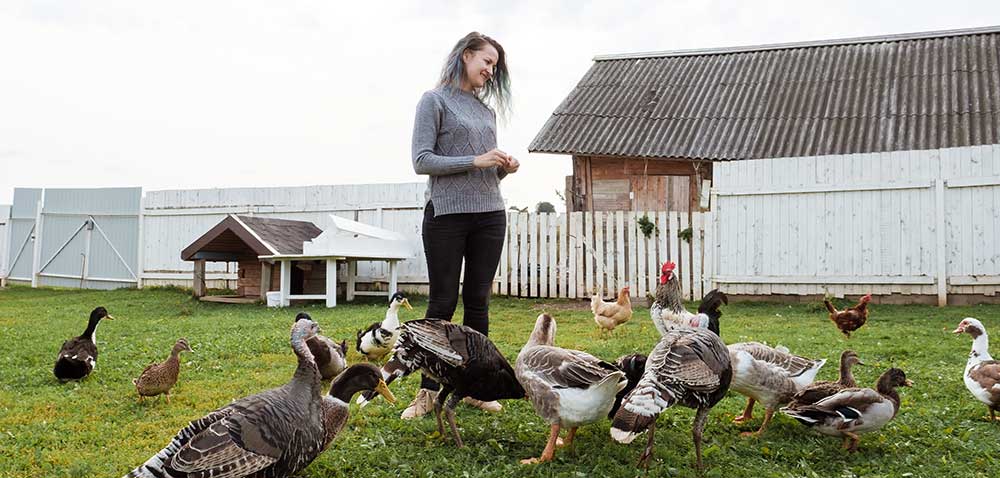
Overcoming water-related obstacles requires redundancy and planning. Test your water regularly, invest in quality filtration systems, and always have a backup source. Rainwater collection can be a valuable supplement, especially for gardening or livestock.
Food Production and Storage in Remote Settings
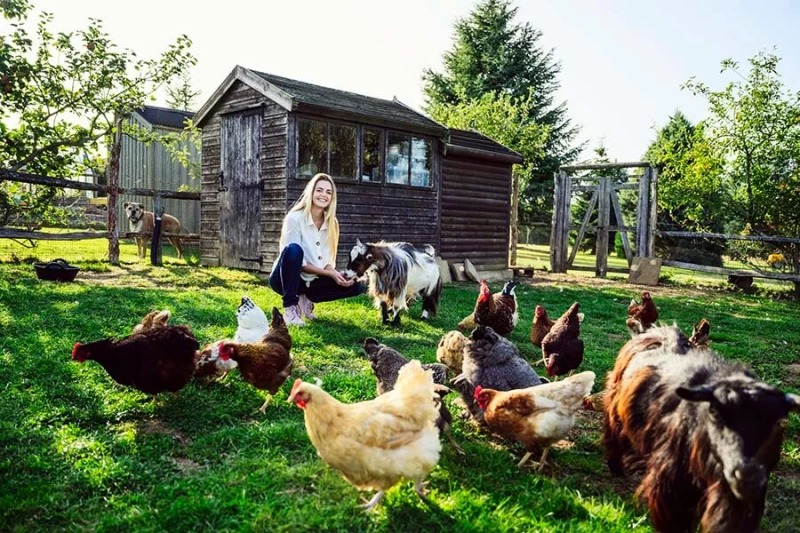
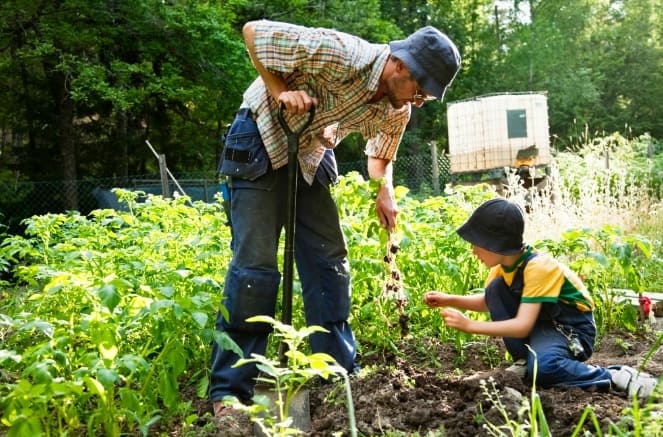
Growing your own food is a cornerstone of self-reliant living, but it comes with its own set of difficulties. Soil quality, climate, pests, and wildlife can all impact your harvest. Additionally, preserving food for winter or emergencies is essential.
- Start with raised beds or containers if your soil is poor.
- Practice crop rotation and companion planting to maintain soil health.
- Protect your garden with fencing or netting to deter animals.
- Learn canning, dehydrating, and root cellaring for long-term storage.
For more ideas on building a resilient homestead, explore self-sufficient homestead ideas that can help you become more independent and resourceful.
Waste Management and Sanitation Solutions
Handling waste responsibly is a crucial aspect of living away from city services. Septic systems, composting toilets, and greywater recycling are common solutions, but each requires maintenance and a commitment to environmental stewardship.
- Composting toilets are eco-friendly and reduce water use, but require regular upkeep and proper composting techniques.
- Septic systems are effective but need professional installation and periodic inspection.
- Greywater systems can irrigate gardens, but must be designed to avoid contamination.
Research local regulations before installing any waste system. Regular maintenance and monitoring are essential to prevent environmental or health issues.
Adapting to Isolation and Building Community
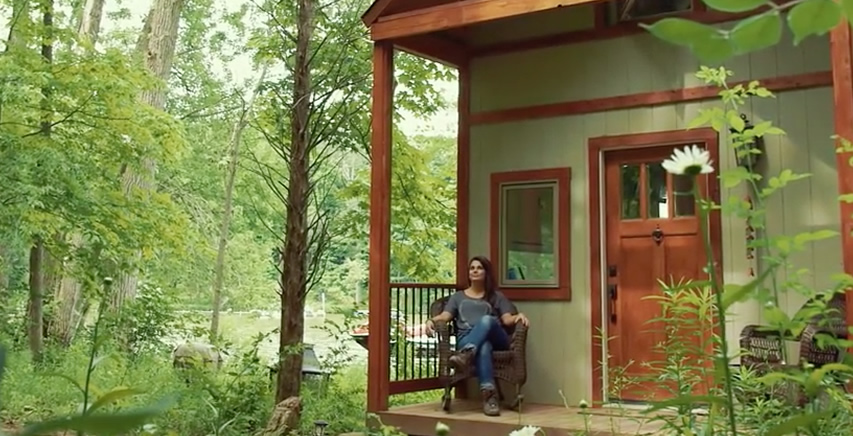
One often-overlooked aspect of remote living is the social adjustment. Being far from neighbors, friends, and services can lead to feelings of isolation. Building a support network—whether online or through local groups—can make a significant difference.
- Stay connected with other homesteaders through forums and social media.
- Attend local markets or community events to meet like-minded individuals.
- Share resources and knowledge to foster a sense of community.
Many find that the sense of independence gained from this lifestyle is balanced by the need for connection and mutual support.
Weather, Climate, and Emergency Preparedness
Living off the grid means being more exposed to the elements. Severe weather, wildfires, and other emergencies require careful planning:
- Design your home for energy efficiency and weather resistance.
- Keep emergency supplies, including food, water, and medical kits.
- Have backup plans for power, heat, and communication.
Regularly review and update your emergency strategies to ensure your household is prepared for unexpected events.

Practical Tips for Thriving Off the Grid
While the challenges of off-grid living can seem daunting, many people find the rewards far outweigh the difficulties. Here are some practical strategies to help you succeed:
- Start small and expand your systems as you gain experience.
- Invest in quality tools and equipment to reduce maintenance headaches.
- Keep learning—read, take workshops, and connect with experienced homesteaders.
- Embrace flexibility; adapt your plans as you discover what works best for your location and needs.
For more daily strategies, explore green living off-grid practices that support sustainability and comfort.
Frequently Asked Questions
What are the most common obstacles faced by people living off the grid?
The most frequent difficulties include securing reliable power, accessing clean water, managing waste, growing food, and dealing with isolation. Each of these requires careful planning and ongoing effort to address successfully.
How can I make my off-grid home more energy efficient?
Focus on insulation, energy-efficient appliances, and passive solar design. Combining multiple power sources, such as solar and wind, can also improve reliability and reduce costs over time.
Is it possible to live off the grid in any climate?
While it’s possible, some climates present more difficulties than others. Extreme cold, heat, or drought can complicate energy production, water sourcing, and food growing. Careful site selection and system design are crucial for success in challenging environments.