
The idea of embracing a rural off-grid lifestyle has gained popularity among those seeking independence, sustainability, and a closer connection to nature. Living away from urban centers, generating your own power, and growing your own food can be deeply rewarding. However, the reality of this way of life is more complex than many expect. It comes with unique benefits, significant challenges, and daily routines that differ greatly from conventional living.
For those interested in practical strategies and real-world experiences, exploring modern off-grid homesteading can provide valuable insights into how technology and traditional skills blend in today’s rural settings.
What Does Living Off the Grid in Rural Areas Really Mean?
Choosing to live off the grid in a rural setting means disconnecting from public utilities such as electricity, water, and sometimes even municipal waste services. Instead, residents rely on alternative energy sources like solar panels, wind turbines, or generators, and often source water from wells, rainwater collection, or nearby streams. Food production, waste management, and heating are handled independently, requiring a blend of self-reliance and resourcefulness.
This lifestyle is not just about isolation. It’s about building a sustainable home, managing land, and creating systems that support daily needs. Many who pursue this path are motivated by environmental concerns, a desire for privacy, or the goal of reducing living costs over time.
The Benefits of a Rural Off-Grid Lifestyle
There are several compelling reasons why people choose to move off the grid in rural areas. Here are some of the most notable advantages:
- Self-Sufficiency: Producing your own food, energy, and water fosters independence and resilience.
- Lower Ongoing Costs: After the initial investment in infrastructure, many off-grid households see reduced utility bills and living expenses.
- Environmental Impact: Utilizing renewable energy and sustainable practices can significantly lower your carbon footprint.
- Peace and Privacy: Rural locations offer tranquility, space, and a break from the noise and pace of city life.
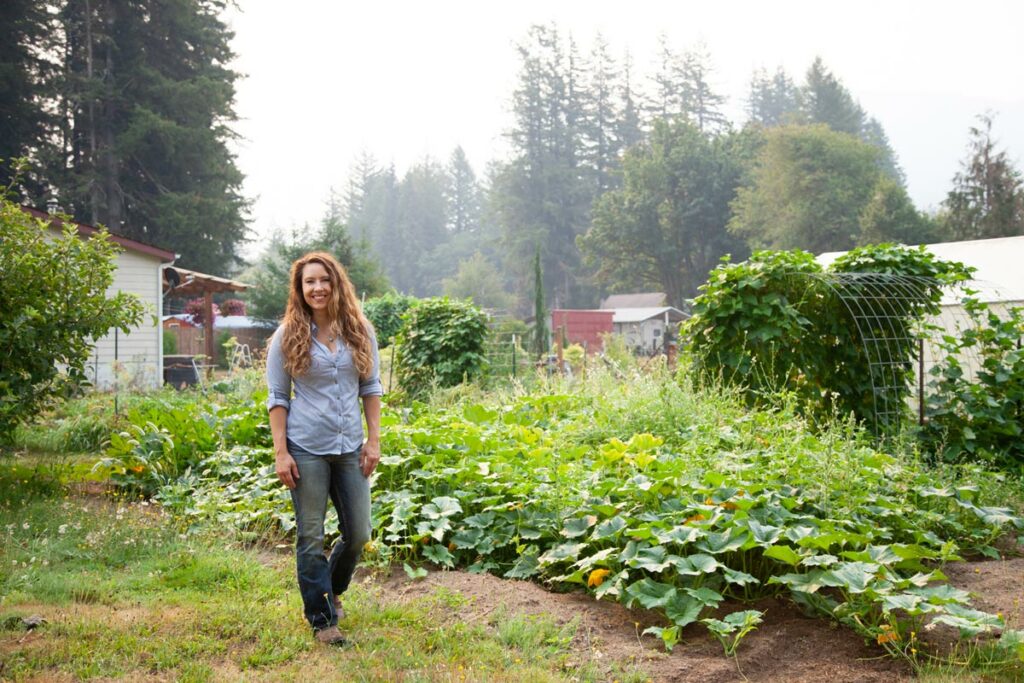
- Connection to Nature: Daily routines often involve gardening, animal care, and outdoor work, strengthening ties to the land.
Challenges and Drawbacks of Off-Grid Rural Living
While the rewards are real, the rural off-grid lifestyle also comes with significant hurdles. Understanding these challenges is essential before making the leap:
- Upfront Costs: Setting up solar panels, battery banks, wells, and septic systems can require substantial investment.
- Physical Demands: Daily chores such as hauling water, splitting wood, or maintaining equipment can be strenuous.
- Isolation: Rural locations may mean fewer social opportunities and longer distances to services, schools, or healthcare.
- Maintenance: All systems—energy, water, waste—require ongoing attention and troubleshooting, especially in harsh weather.
- Learning Curve: Skills in gardening, animal husbandry, carpentry, and mechanical repair are often necessary.
Many newcomers are surprised by the amount of work involved. For a deeper look at common misconceptions, see the article on off-grid homesteading myths.
Daily Life: Routines and Realities
The day-to-day experience of living off the grid in rural areas is shaped by the seasons, weather, and the systems you put in place. Tasks often include tending to gardens, caring for livestock, monitoring energy production, and performing regular maintenance on infrastructure.
Many find satisfaction in these routines, but flexibility and problem-solving are crucial. When a solar inverter fails or a well pump stops working, you must be ready to diagnose and fix the issue. For those interested in optimizing their daily routines, the guide on off-grid homestead routines offers practical tips for efficiency and balance.
Essential Skills and Tools for Off-Grid Success
Thriving in a rural off-grid lifestyle requires a diverse set of skills and reliable tools. Here are some essentials:
- Gardening and Food Preservation: Growing, harvesting, and storing food are foundational skills for self-reliance.
- Basic Carpentry and Repairs: The ability to build and fix structures, fences, and equipment is invaluable.
- Energy System Maintenance: Understanding how to monitor and maintain solar, wind, or generator systems prevents costly breakdowns.
- Water Management: Knowledge of filtration, storage, and plumbing ensures a safe and reliable water supply.
- Animal Care: If you keep livestock, skills in animal husbandry are crucial for health and productivity.
Many off-grid residents also invest in smart upgrades to make daily chores easier, such as automated chicken coop doors or efficient raised garden beds. These tools can save time and reduce manual labor.
Is Off-Grid Rural Living Right for You?
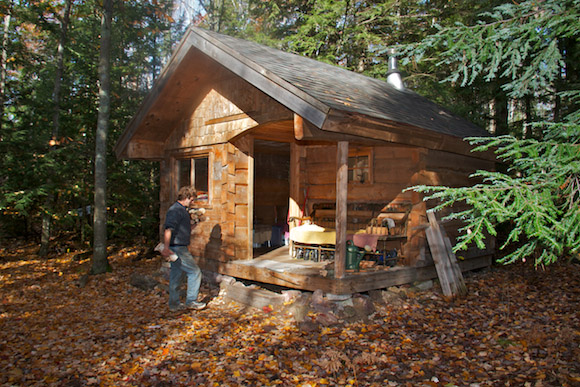
Deciding whether to pursue this lifestyle depends on your goals, resources, and willingness to learn. It’s important to research thoroughly, talk to others who have made the transition, and consider starting small—perhaps with a weekend cabin or a partial disconnect from the grid.
For inspiration, check out off-grid living success stories that showcase a variety of approaches and outcomes. These real-life examples can help set realistic expectations and provide motivation.
For a comprehensive overview of what’s involved, the off-grid living guide from Briggs & Stratton covers planning, setup, and ongoing management in detail.
Frequently Asked Questions
How much does it cost to set up an off-grid homestead?
The initial investment varies widely based on location, land costs, and the systems you choose. Setting up solar power, water wells, and septic systems can range from a few thousand to tens of thousands of dollars. Many people offset costs by building gradually and using recycled or salvaged materials.
What are the biggest challenges of rural off-grid living?
The most common challenges include the physical demands of daily chores, maintaining energy and water systems, and dealing with isolation. Weather extremes can also add complexity, requiring backup plans for power and heating.
Can you live off-grid and still have modern conveniences?
Yes, many off-grid homes incorporate modern technology such as high-efficiency appliances, internet via satellite, and smart home upgrades. For more on blending tradition with innovation, see the article on modern off-grid homesteading.
Is off-grid living environmentally friendly?
When managed thoughtfully, living off the grid can reduce your environmental impact. Using renewable energy, composting, and sustainable land practices all contribute to a greener lifestyle. For practical tips, visit the guide on green living off-grid.