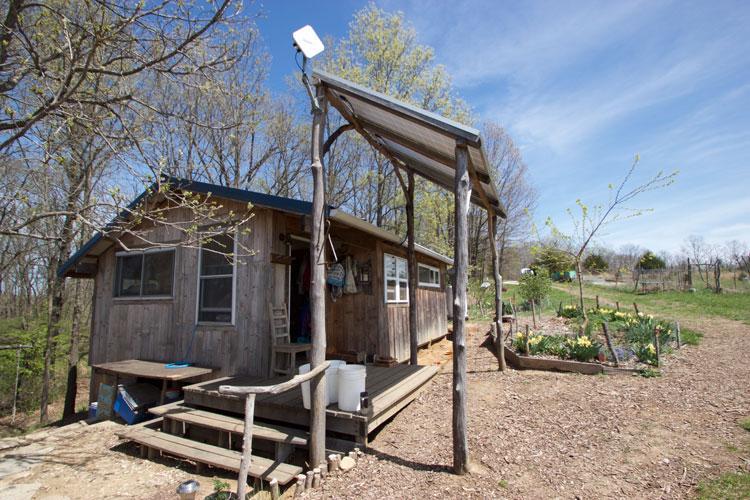

Living independently from public utilities is a growing trend among those seeking sustainability, resilience, and a closer connection to nature. As technology advances, more homesteaders are turning to off-grid homestead automation to streamline daily routines and optimize energy consumption. By integrating smart systems, it’s possible to maintain comfort, reduce manual labor, and make the most of limited resources—all while minimizing environmental impact.
This article explores practical strategies for automating energy use on a self-sufficient property, from solar-powered controls to intelligent water management. We’ll also highlight essential tools, common challenges, and the benefits of embracing automation for off-grid living. For a broader perspective on the realities and rewards of this lifestyle, consider reading about the rural off-grid lifestyle and how it compares to more traditional living arrangements.
Why Automate Energy Use on a Self-Sufficient Homestead?
Managing energy efficiently is one of the biggest challenges for anyone living off the grid. Unlike urban homes with unlimited access to electricity, off-grid properties rely on finite resources such as solar panels, wind turbines, or generators. Automation helps maximize these resources by ensuring that energy is used only when needed and that systems operate at peak efficiency.
- Reduce Waste: Smart controls prevent unnecessary power consumption by turning off devices when not in use.
- Increase Comfort: Automated heating, cooling, and lighting systems maintain a stable environment without constant manual adjustment.
- Save Time: Routine tasks like watering gardens or feeding livestock can be scheduled or triggered by sensors, freeing up valuable hours.
- Boost Reliability: Automated alerts and monitoring can help identify issues before they become major problems, reducing downtime and maintenance costs.
Core Components of Off-Grid Homestead Automation
Implementing automation on an off-grid property involves a combination of hardware, software, and thoughtful planning. Here are the essential elements to consider:
1. Smart Energy Management Systems
At the heart of any automated homestead is a robust energy management system. These platforms monitor power generation, storage, and usage in real time. They can automatically shift loads, prioritize critical appliances, and even start backup generators when battery levels drop.
Some advanced systems integrate with weather forecasts to optimize solar charging or adjust usage patterns based on predicted sunlight. This level of automation ensures that every watt is used wisely, supporting both daily needs and long-term sustainability.
2. Automated Watering and Irrigation
Water is another precious resource on a self-reliant property. Automated irrigation systems use soil moisture sensors, timers, and weather data to deliver the right amount of water to gardens and crops. This not only conserves water but also improves plant health and yields.
3. Livestock and Poultry Automation
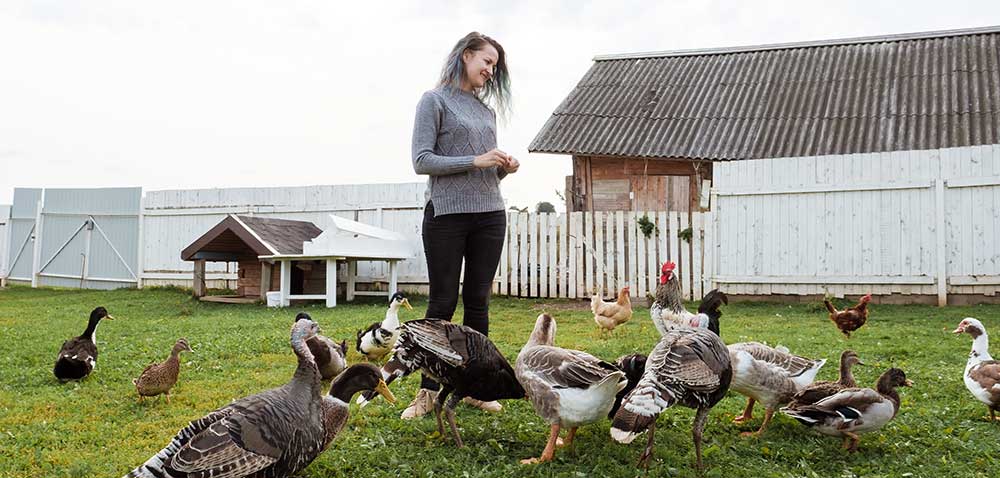
Caring for animals can be labor-intensive, but automation offers several solutions. Automatic feeders, waterers, and climate controls keep livestock healthy and reduce daily chores. For example, smart chicken coop doors can open and close based on sunrise and sunset, protecting poultry from predators without manual intervention.
4. Lighting and Security Controls
Automated lighting systems use motion sensors or timers to illuminate pathways, barns, and living spaces only when necessary. Security cameras and alarms can be integrated to provide peace of mind, especially in remote locations. These systems often run on low-voltage power, making them ideal for off-grid setups.
Choosing the Right Automation Tools for Your Homestead
Selecting the best automation solutions depends on your unique needs, climate, and available resources. Here are some tips for making informed decisions:
- Start Small: Begin with one or two high-impact systems, such as automated irrigation or smart lighting, before expanding.
- Prioritize Compatibility: Choose devices that work together or can be controlled through a central hub for easier management.
- Opt for Low-Power Options: Look for automation tools designed for minimal energy consumption, as every watt counts off the grid.
- Plan for Maintenance: Select durable, weather-resistant equipment and keep spare parts on hand for quick repairs.
Real-World Examples of Automated Off-Grid Living
Many homesteaders have successfully integrated automation to improve their quality of life and reduce their workload. For instance, a solar-powered greenhouse might use automated vents and fans to regulate temperature, while a rainwater harvesting system could employ smart pumps and filters to distribute water where it’s needed most.
For more inspiration and practical advice, explore these off-grid living success stories that showcase how technology and tradition can work hand-in-hand.
Common Challenges and How to Overcome Them
While the advantages of automated systems are clear, there are some hurdles to consider:
- Power Limitations: Automation adds to your overall energy demand. Carefully calculate your system’s capacity and prioritize essential functions.
- Initial Cost: High-quality automation equipment can be expensive upfront, but the long-term savings in time and resources often justify the investment.
- Technical Skills: Setting up and maintaining smart systems may require some technical know-how. Many homesteaders find online communities and tutorials helpful for troubleshooting.
- Reliability: Choose proven, weather-resistant products and have manual backups in place for critical systems.
For a deeper look at misconceptions and realities, see our article on off-grid homesteading myths and how modern solutions are changing the landscape.
Integrating Automation with Daily Routines
The most successful off-grid properties blend technology with hands-on skills. Automation should support, not replace, the rhythms of daily life. By scheduling tasks like irrigation, lighting, and animal care, you can focus more on projects that require your attention and creativity.
If you’re interested in optimizing your daily schedule, our guide to off-grid homestead routines offers practical tips for balancing automation with manual work.
Resources for Further Learning
For those new to this approach, it’s helpful to learn from others who have made the transition. The article on modern off-grid homesteading covers how smart solutions are reshaping rural living. Additionally, you can find a comprehensive overview of what it means to live independently in this in-depth guide to off-grid homesteading.
FAQ: Off-Grid Automation and Energy Efficiency
What are the best devices to automate first on a self-sufficient property?
Start with systems that save the most time and energy, such as smart irrigation controllers, automated lighting, and energy management hubs. These provide immediate benefits and can be expanded as your needs grow.
How can I ensure my automation systems don’t drain my power supply?
Choose low-power devices and schedule energy-intensive tasks for times when solar or wind generation is highest. Regularly monitor your system’s performance and adjust settings to match your available resources.
Is it possible to automate everything on an off-grid homestead?
While many tasks can be automated, some will always require human oversight, especially those involving animals or complex repairs. The goal is to use technology to handle routine chores, freeing up time for more important work.