
The idea of living independently from public utilities and embracing a self-sufficient lifestyle has gained popularity in recent years. However, there are many off-grid homesteading myths that can mislead newcomers or discourage those curious about this way of life. Separating fact from fiction is crucial for anyone considering a move toward greater autonomy and sustainability.
This article addresses widespread misconceptions about off-grid living, drawing on real experiences and practical knowledge. Whether you’re interested in daily routines, green practices, or simply want to know what’s truly involved, understanding the realities behind these myths can help you make informed decisions and set realistic expectations.
For those interested in practical strategies for daily life, off-grid homestead routines can provide valuable insights into maintaining efficiency and balance while living independently.
Myth 1: Off-Grid Living Means Complete Isolation
One of the most common off-grid homesteading myths is the belief that choosing this lifestyle means cutting yourself off from society. In reality, most people who live off the grid remain connected to their communities in meaningful ways. They often participate in local events, barter with neighbors, and stay in touch with friends and family through technology.
While some may seek solitude, the majority of off-grid homesteaders value community support. Sharing resources, knowledge, and labor is essential, especially during emergencies or seasonal changes. Rather than isolation, off-grid living often fosters a strong sense of cooperation and mutual aid.
Myth 2: You Need a Lot of Money to Start
Another persistent misconception is that going off-grid requires a significant financial investment. While there are costs involved—such as purchasing land, materials, and equipment—many have successfully transitioned with minimal funds by starting small and building gradually.
Creative solutions like repurposing materials, DIY projects, and prioritizing essential systems (such as water and shelter) can keep expenses manageable. Some resources, like guides to living off the grid with little or no money, offer practical advice for those on a tight budget.
Myth 3: Off-Grid Homesteading Is Always Environmentally Friendly
Many assume that living off the grid is automatically sustainable and eco-friendly. While it’s true that this lifestyle can reduce your carbon footprint, the reality depends on the choices you make. For example, using generators powered by fossil fuels or overharvesting local resources can have negative environmental impacts.
Adopting green living off-grid practices—such as solar power, composting, and water conservation—can help ensure your homestead is genuinely sustainable. It’s important to continually assess and adjust your habits to minimize your impact on the land.

Myth 4: Off-Grid Life Is Only for Survivalists or Extremists
The stereotype of the off-grid homesteader as a survivalist or someone preparing for disaster is outdated. Today, people from all walks of life are drawn to this lifestyle for reasons ranging from environmental concerns to a desire for independence or a simpler way of living.
Many families, retirees, and young couples are choosing to live off the grid, motivated by health, financial, or philosophical reasons. The diversity of people embracing this path shows that it’s not about extremism, but about personal values and goals.
Myth 5: You Must Be Completely Self-Sufficient
There’s a widespread belief that off-grid living means producing everything you need, from food to energy, without any outside help. In practice, most homesteaders rely on a combination of self-sufficiency and selective purchasing or bartering.
Building a truly self-sustaining homestead takes time, and even the most experienced still buy certain supplies or equipment. Learning from self-sufficient homestead ideas can help you gradually increase your independence, but it’s normal to supplement your efforts with outside resources.
Myth 6: Off-Grid Living Is Always Hard Work and No Fun
While maintaining a homestead does require effort, it’s not all toil and hardship. Many people find joy in the rhythms of daily chores, the satisfaction of growing their own food, and the freedom to shape their environment. There’s also time for hobbies, relaxation, and socializing.
By establishing efficient routines and using appropriate technology, you can balance work with leisure. Stories from those who have made the transition, such as off-grid living success stories, often highlight the fulfillment and enjoyment found in this lifestyle.

Myth 7: You Need Special Skills or Background
It’s easy to believe that only those with extensive farming, building, or technical skills can succeed off the grid. In truth, most people learn as they go. There are countless resources, online communities, and local mentors willing to share knowledge and offer support.
Embracing a growth mindset and being willing to adapt is more important than having a specific background. Over time, you’ll develop the skills you need, from gardening to basic repairs, and gain confidence through experience.
Myth 8: All Off-Grid Homesteads Look the Same
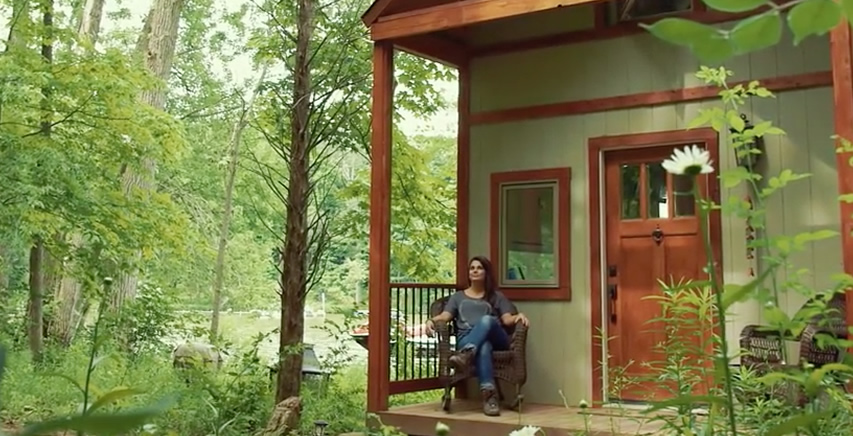
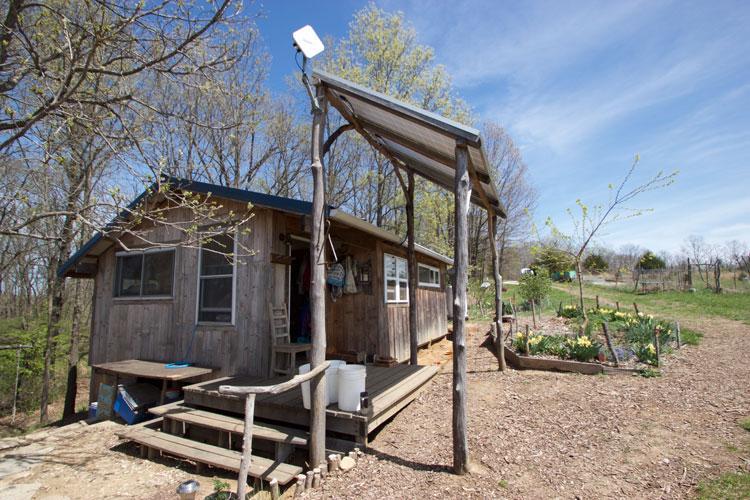
The image of a rustic cabin in the woods is just one version of off-grid living. In reality, homesteads come in many forms, from tiny homes and yurts to renovated buses and modern eco-houses. The key is to design a setup that fits your needs, climate, and resources.
Customization is a hallmark of this lifestyle. Some prioritize food production, while others focus on renewable energy or animal husbandry. Your homestead can reflect your personality and priorities, making it a unique and rewarding place to live.
Frequently Asked Questions
Is it legal to live off the grid everywhere?
Laws regarding off-grid living vary by location. Some areas have strict building codes, zoning laws, or utility requirements. It’s important to research local regulations before purchasing land or starting construction to ensure compliance.
What are the biggest challenges of off-grid homesteading?
Common challenges include securing reliable water sources, managing waste, maintaining energy systems, and adapting to changing weather. Planning, flexibility, and community support can help you overcome these obstacles.
Can you really save money by living off the grid?
While initial setup costs can be significant, many people find that ongoing expenses are lower than traditional living. Savings come from reduced utility bills, growing your own food, and making do with less. However, unexpected repairs and upgrades can add to costs, so budgeting is essential.
How do I get started with off-grid homesteading?
Begin by researching, setting clear goals, and starting small. Consider your priorities—such as food, water, and shelter—and gradually add systems as you gain experience. Connecting with others and learning from their journeys can provide valuable guidance.