
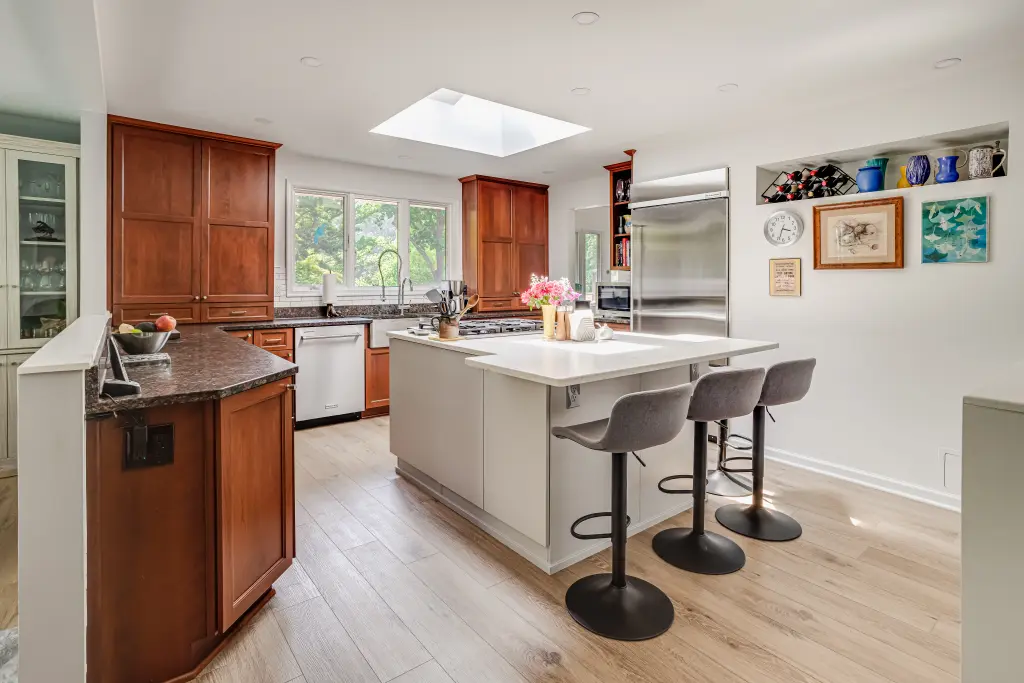

Understanding the role of a load bearing wall is essential when planning a kitchen remodel. Many homeowners dream of open-concept kitchens, but removing or altering structural walls can have significant implications for safety, design, and budget. This guide provides a clear, practical overview of what load bearing walls are, how to identify them, and what to consider before making any changes during your renovation.
Whether you’re aiming to create a more spacious layout or simply want to know what’s possible in your home, learning about these crucial structural elements will help you make informed decisions. For those interested in achieving a harmonious and balanced kitchen design, check out kitchen remodeling visual balance tips for additional inspiration.
What Is a Load Bearing Wall?
A load bearing wall is a structural component that supports the weight of your home, transferring loads from the roof, upper floors, or attic down to the foundation. Unlike non-load bearing or partition walls, these walls are critical to the building’s stability. In kitchen renovations, understanding which walls are structural is vital before making any modifications.
Altering or removing a load bearing wall without proper planning can compromise the integrity of your home. This is why consulting with a structural engineer or qualified contractor is always recommended before starting demolition.
How to Identify Structural Walls in Your Kitchen Remodel
Recognizing which walls are load bearing can be challenging, especially in older homes or those with previous renovations. Here are some practical tips to help you identify them:
- Check the Direction of Floor Joists: Load bearing walls typically run perpendicular to floor joists above.
- Look for Walls Directly Beneath Other Walls: If a wall on the upper floor aligns with one below, it’s likely structural.
- Examine the Basement or Crawl Space: Walls that sit above beams or support posts are usually load bearing.
- Review Original Blueprints: If available, blueprints can reveal which walls are designed to carry loads.
When in doubt, always seek professional advice. Mistakes in identifying structural elements can lead to costly and dangerous outcomes.
Why Load Bearing Walls Matter in Kitchen Renovations
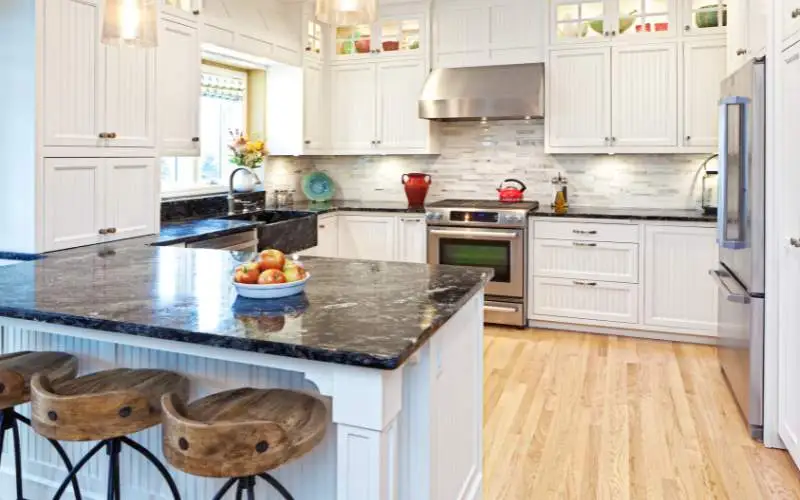
When planning a kitchen transformation, many homeowners want to remove walls to create an open layout. However, removing a structural wall is a complex process that requires careful planning and the installation of alternative supports, such as beams or columns. Failing to address these needs can result in sagging ceilings, cracked drywall, or even structural failure.
Understanding the importance of these walls helps you:
- Maintain the safety and stability of your home
- Comply with building codes and permit requirements
- Accurately estimate renovation costs and timelines
For those interested in keeping their kitchen both functional and visually appealing, integrating hardware style tips for cabinets and drawers can further enhance your remodel.
Steps to Safely Modify or Remove a Load Bearing Wall
If your remodel requires changing a structural wall, follow these essential steps:
- Consult a Structural Engineer: Before any demolition, have a professional assess your plans and provide recommendations.
- Obtain Necessary Permits: Most municipalities require permits for structural changes. Ensure all paperwork is in order before starting work.
- Install Temporary Supports: During construction, temporary walls or posts keep your home safe while the permanent beam is installed.
- Replace with a Suitable Beam: Steel or engineered wood beams are commonly used to redistribute weight. The size and type depend on the span and load requirements.
- Inspection and Approval: After installation, a building inspector must approve the work before finishing walls and ceilings.
These steps help ensure that your kitchen remodel is both beautiful and structurally sound.
Common Myths About Structural Walls in Kitchen Remodels
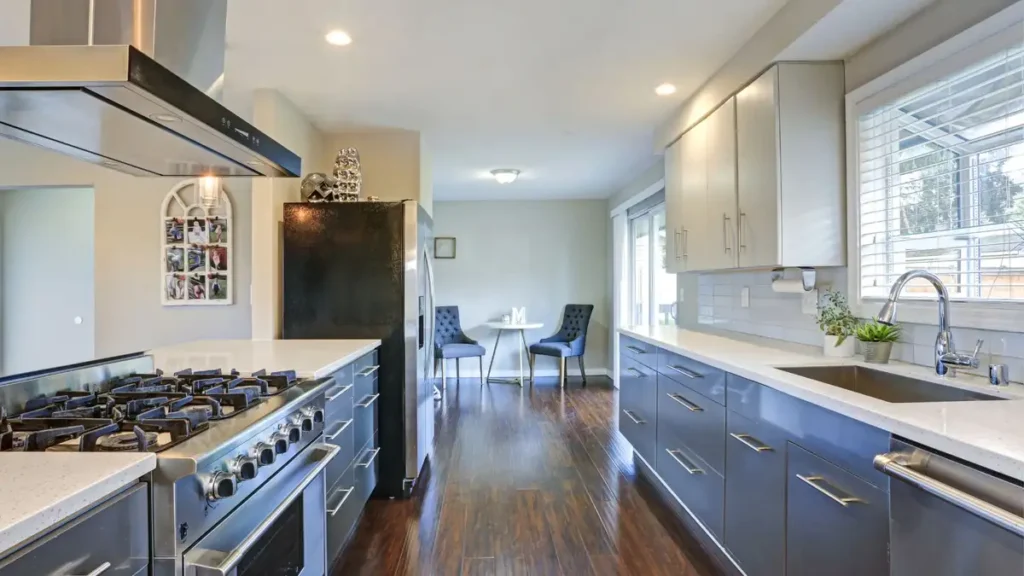
There are several misconceptions about removing or altering load bearing walls during a kitchen renovation. Let’s clarify some of the most common myths:
- “All interior walls can be removed.” In reality, only non-structural walls can be safely removed without additional support.
- “It’s easy to tell which walls are load bearing.” While some clues exist, only a professional can accurately determine a wall’s role.
- “Removing a wall is always expensive.” Costs vary depending on the wall’s length, the type of beam required, and the finishes needed. With proper planning, it can be a manageable investment.
For more ideas on maximizing space and style, explore hidden appliance solutions for sleek kitchens.
Cost Considerations and Budgeting for Wall Modifications
Changing a load bearing wall can significantly impact your remodeling budget. Key factors influencing cost include:
- Length and thickness of the wall
- Type and size of replacement beam
- Labor and engineering fees
- Permit and inspection costs
- Finishing work (drywall, paint, trim)
On average, removing a structural wall and installing a beam can range from $2,000 to $10,000 or more, depending on complexity. Always request detailed quotes and factor in a contingency for unexpected issues.
For a comprehensive look at kitchen renovation planning, the kitchen remodeling guide from Ferguson Home offers valuable insights into budgeting, materials, and timelines.
Design Tips for Open-Concept Kitchens After Wall Removal
Once a structural wall is safely removed, you can enjoy a more open and inviting kitchen. To make the most of your new space:
- Use islands or peninsulas to define zones without closing off the room
- Incorporate consistent flooring and lighting for a seamless look
- Choose cabinetry and hardware that complement the open layout
- Consider recessed lighting for a clean, modern finish
For more guidance on planning cohesive interiors, see the kitchen remodeling style planning guide.
FAQs About Kitchen Remodeling and Load Bearing Walls
How do I know if a wall in my kitchen is load bearing?
Look for walls that run perpendicular to floor joists, are directly beneath other walls, or align with beams in the basement. When unsure, consult a structural engineer or experienced contractor for a professional assessment.
Can I remove a load bearing wall myself?
It’s not recommended. Removing a structural wall requires expertise in temporary supports, beam sizing, and local building codes. Always hire qualified professionals to ensure safety and compliance.
What alternatives exist if I can’t remove a structural wall?
If removal isn’t possible, consider creating a pass-through, widening a doorway, or using decorative columns to open up the space while maintaining structural integrity.
By understanding the essentials of kitchen remodeling load bearing wall explanation, you can approach your renovation with confidence, safety, and style in mind. Always prioritize structural integrity and consult experts to achieve the kitchen of your dreams.


