
Creating a workspace that reflects your company’s identity is more important than ever. As businesses grow and adapt, the physical environment should evolve to support productivity, foster collaboration, and communicate brand values. Office buildout interior branding ideas can transform a standard office into a memorable, functional, and inspiring place for both employees and visitors. This article explores practical strategies and creative concepts to help you infuse your brand into every aspect of your office fit-out, from visual elements to spatial planning.
Whether you’re planning a new office buildout or refreshing an existing space, integrating brand-focused design choices can enhance company culture and leave a lasting impression. For those considering workspace upgrades, it’s also helpful to review related resources, such as the office buildout furniture selection guide, to ensure every detail aligns with your vision.
Why Interior Branding Matters in Office Buildouts
The design of your office is more than just aesthetics; it’s a direct reflection of your company’s mission, values, and personality. Thoughtful branding within your workspace can:
- Reinforce your corporate identity for employees and clients
- Boost employee morale and engagement
- Support recruitment and retention by creating a desirable work environment
- Encourage collaboration and innovation through purposeful design
- Set your business apart from competitors
By weaving branding into your office buildout, you create a cohesive experience that communicates who you are at every touchpoint.
Visual Branding Elements for Modern Workspaces
Incorporating office buildout interior branding ideas starts with visual cues that make your brand instantly recognizable. Here are several ways to bring your brand to life visually:
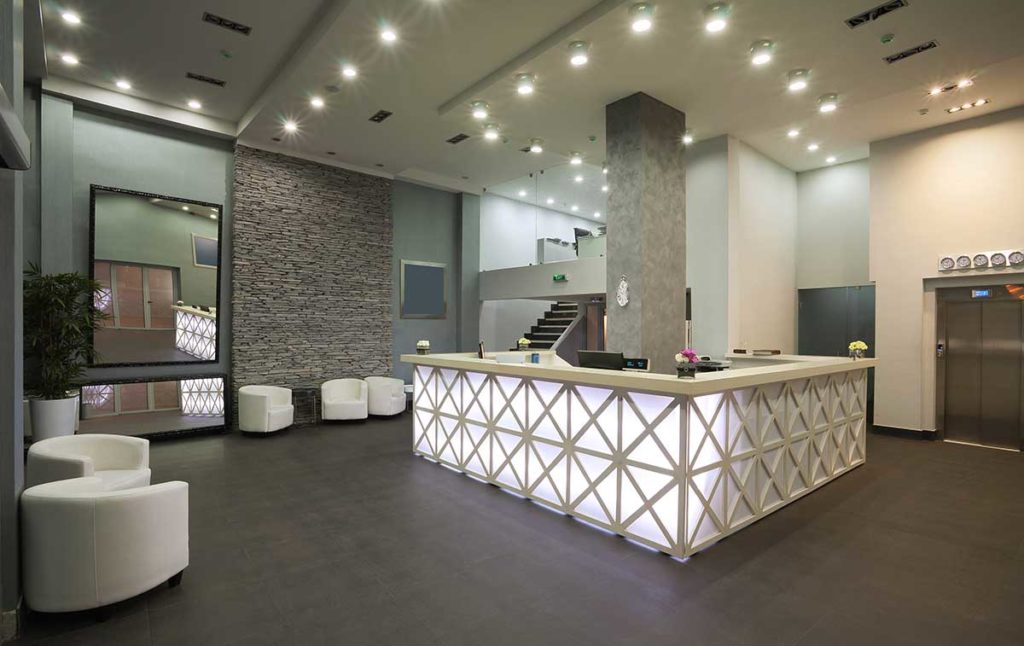
- Logo Placement: Feature your logo in high-visibility areas such as reception, conference rooms, and entryways. Use dimensional signage, wall decals, or even etched glass for a polished look.
- Color Palette: Extend your brand colors throughout the space, from accent walls and furniture to artwork and accessories. Consistent use of color ties the environment together and reinforces brand recognition.
- Typography: Integrate your brand’s signature fonts in signage, wall graphics, and wayfinding systems for a unified appearance.
- Artwork and Murals: Commission custom artwork or murals that reflect your brand story, values, or local culture. These can serve as conversation starters and focal points.
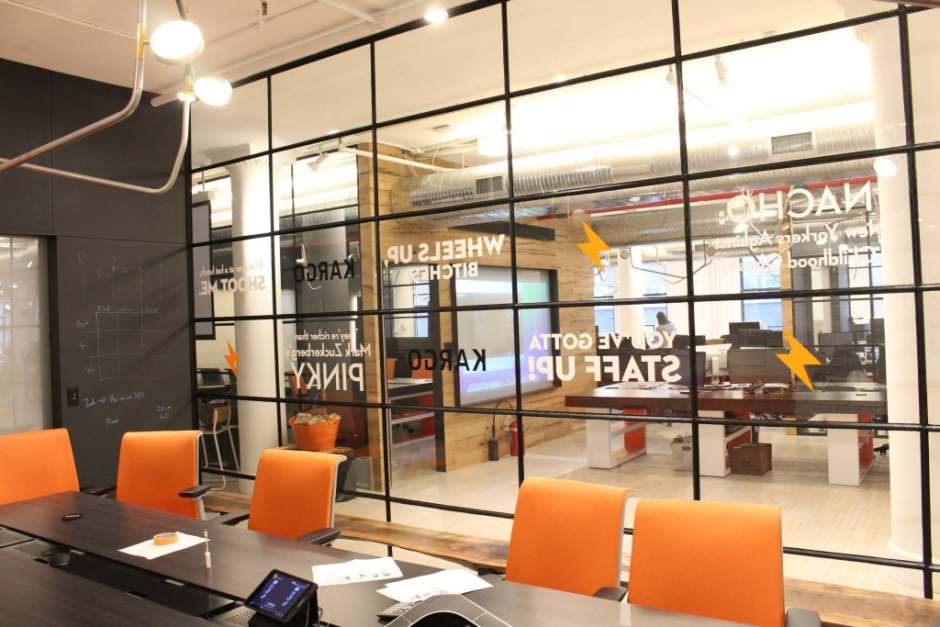
- Branded Materials: Use branded glass films, custom rugs, and printed graphics to subtly reinforce your identity throughout the office.

Spatial Planning and Branded Environments
Beyond visual elements, the way you organize and utilize space can communicate your brand’s approach to work and collaboration. Consider these strategies for aligning your office layout with your identity:
- Open vs. Private Spaces: If your brand values transparency and teamwork, open-plan layouts with collaborative zones may be ideal. For companies focused on confidentiality or deep work, prioritize private offices and soundproofed meeting rooms. For more on this, see office buildout soundproofing tips.
- Flexible Work Areas: Incorporate adaptable spaces that can serve multiple functions, such as breakout rooms, lounge areas, or hot desks. This flexibility supports a dynamic brand culture.
- Wayfinding and Navigation: Use branded signage and color-coded zones to help people navigate the office intuitively, reinforcing your visual identity at every turn.
- Conference and Collaboration Rooms: Design meeting spaces that reflect your brand’s tone—whether that’s formal and sophisticated or creative and relaxed. For inspiration, explore the office buildout conference room design guide.
Incorporating Culture and Values into Office Design
A truly branded environment goes beyond logos and colors. It should embody your company’s values and culture in tangible ways. Here are some approaches:
- Mission Statements and Core Values: Display your mission and values prominently using wall graphics, digital displays, or interactive installations.
- Recognition Walls: Dedicate space to celebrate employee achievements, milestones, or community involvement, reinforcing a culture of appreciation.
- Community Spaces: Create areas for social interaction, wellness, or relaxation that reflect your commitment to employee well-being.
- Sustainable Materials: If environmental responsibility is a core value, use eco-friendly finishes, recycled materials, and energy-efficient lighting.
Technology and Interactive Branding Features
Modern offices can leverage technology to create immersive branded experiences. Consider these enhancements:
- Digital Signage: Use screens to display real-time company news, social media feeds, or branded content in common areas.
- Interactive Displays: Touchscreens or kiosks can share your company’s history, product demos, or interactive directories.
- Smart Lighting: Integrate lighting systems that adjust to brand colors for events or special occasions.
- Virtual Collaboration Tools: Equip meeting rooms with video conferencing and digital whiteboards to support hybrid work and reinforce a tech-forward brand image. For more on flexible workspace design, check out the office buildout hybrid workspace design resource.
Furniture and Finishes That Reflect Your Brand
Selecting the right furnishings and finishes is crucial for a cohesive branded environment. Here are some tips:
- Custom Furniture: Choose pieces that echo your brand’s style, whether that’s modern minimalism, classic elegance, or playful creativity.
- Material Selection: Use materials and textures that align with your brand personality, such as warm woods, sleek metals, or vibrant fabrics.
- Consistent Detailing: Carry branding details through hardware, upholstery, and even workstation accessories. For a comprehensive approach, see the office buildout workstation design best practices.
Planning and Executing a Branded Office Buildout
Successful implementation of office buildout interior branding ideas requires careful planning and collaboration. Here are steps to guide the process:
- Define Your Brand Identity: Clarify your mission, values, and visual language before starting the design process.
- Engage Stakeholders: Involve leadership, employees, and designers to ensure the space meets functional and cultural needs.
- Develop a Cohesive Plan: Work with architects and interior designers to translate your brand into spatial and visual elements.
- Source Materials and Vendors: Select suppliers who can deliver branded finishes, custom furnishings, and technology solutions.
- Communicate and Train: Prepare employees for the transition and educate them about new branded features and amenities.
For additional guidance on workspace planning, the office space planning guide offers practical tips and checklists.
Frequently Asked Questions
How can I ensure my office branding is consistent throughout the workspace?
Consistency comes from defining clear brand guidelines and applying them to every aspect of your office design. Use the same color palette, logo treatments, and materials across all areas, and communicate these standards to everyone involved in the buildout process.
What are cost-effective ways to incorporate branding in an office buildout?
Affordable options include branded wall graphics, custom signage, color-coordinated furniture, and digital displays. Even small touches like branded mugs, desk accessories, and artwork can make a significant impact without a large investment.
How does interior branding influence employee experience?
A well-branded environment can boost morale, foster a sense of belonging, and reinforce company values. Employees are more likely to feel engaged and motivated when the workspace reflects the organization’s culture and priorities.