
Designing a kitchen that supports efficient movement and seamless cooking is a top priority for many homeowners. When considering kitchen remodeling appliance layout ideas, it’s essential to think beyond aesthetics and focus on how each appliance placement affects your daily routine. A well-planned layout can reduce unnecessary steps, streamline meal prep, and even make cleaning up easier.
Whether you’re updating a compact space or planning a full-scale renovation, understanding the principles behind appliance positioning will help you create a kitchen that feels both functional and inviting. For those working with limited square footage, you may also find inspiration in kitchen remodeling compact kitchen ideas to maximize every inch.
Understanding the Kitchen Work Triangle
One of the most enduring concepts in kitchen design is the work triangle. This principle connects the three main work areas: the sink, the refrigerator, and the cooktop or range. The goal is to position these elements so that you can move efficiently between them, minimizing unnecessary steps and avoiding traffic jams.
- Sink: Often the busiest spot, used for food prep and cleaning.
- Refrigerator: Should be easily accessible from both the prep and cooking areas.
- Cooktop/Range: Needs to be close to prep surfaces and the sink for convenience.
Ideally, each leg of the triangle should be between 4 and 9 feet, and the total perimeter should not exceed 26 feet. This arrangement helps keep everything within reach while providing enough space for multiple people to work comfortably.
Popular Appliance Layout Patterns
There are several common kitchen layouts, each offering unique benefits for workflow and appliance placement. Here are some of the most effective patterns to consider when exploring kitchen remodeling appliance layout ideas:
Galley Kitchen
In a galley kitchen, appliances and cabinets run along two parallel walls. This setup is efficient for small spaces and keeps everything within easy reach. Place the sink and cooktop on one side and the refrigerator on the opposite wall to maintain a smooth workflow.
L-Shaped Layout
The L-shaped kitchen uses two adjacent walls, creating a natural work triangle. This design is flexible, allowing for a dining area or island addition. Position the refrigerator at one end, the sink in the middle, and the cooktop at the other end for optimal movement.
U-Shaped Kitchen
With cabinetry and appliances on three sides, the U-shaped layout offers ample counter space and storage. This configuration is ideal for larger kitchens and can accommodate multiple cooks. Keep the main appliances on separate walls to prevent crowding.
Island Layout
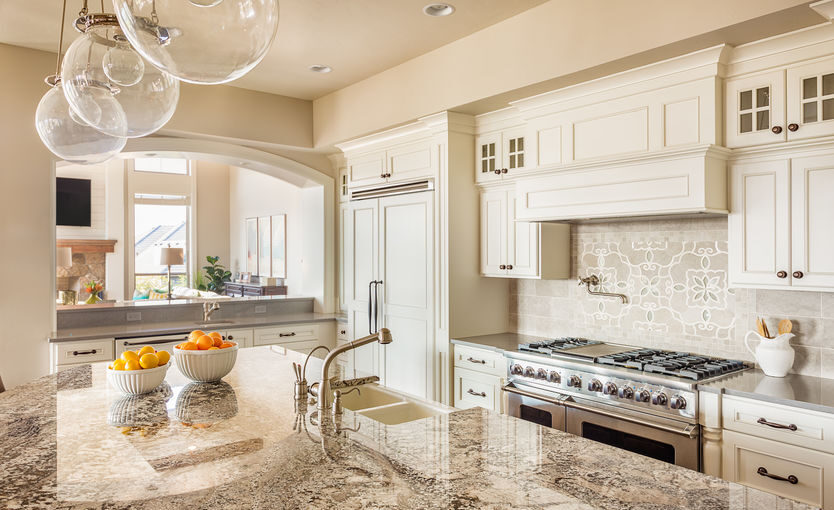
Adding an island can transform your kitchen’s functionality. Use the island for the sink or cooktop to free up wall space and improve the flow. Ensure there’s enough clearance (at least 42 inches) around the island for easy movement.
Key Considerations for Appliance Placement
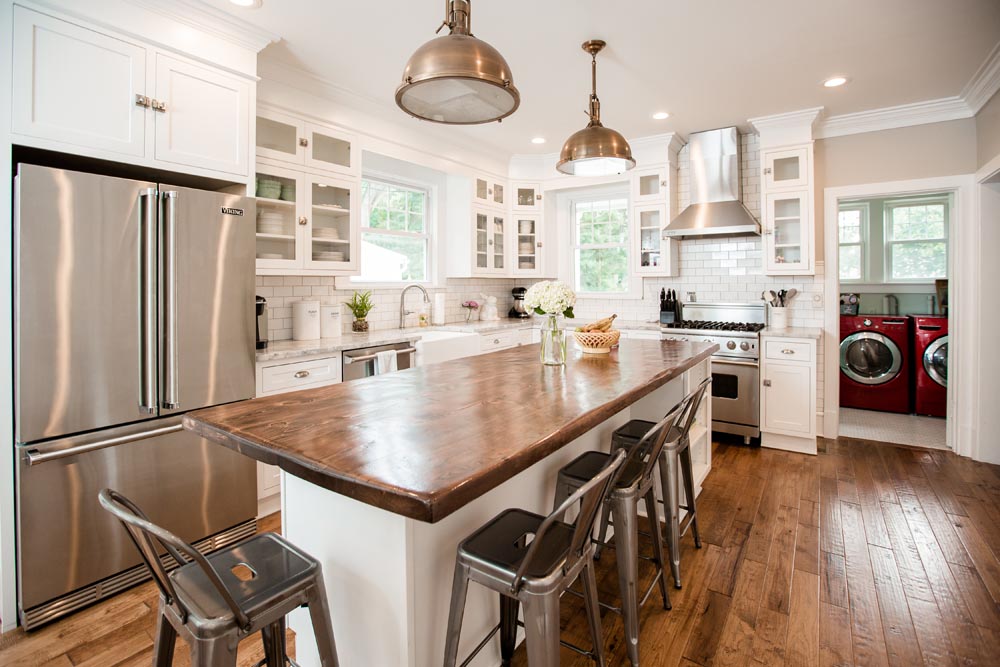
When planning your kitchen, thoughtful appliance positioning can make a significant difference in usability and safety. Here are some important factors to keep in mind:
- Proximity to Prep Areas: Place the refrigerator near the entry point for easy grocery unloading. Keep the sink and dishwasher close together to streamline cleaning.
- Ventilation: Ensure the cooktop or range has proper ventilation, especially if it’s on an island or against an interior wall.
- Traffic Flow: Avoid placing appliances where open doors could block walkways or create bottlenecks.
- Counter Space: Leave at least 15 inches of counter space on each side of the cooktop and refrigerator for prep and landing zones.
- Accessibility: Consider the needs of all users, including children and those with mobility challenges. Opt for drawer-style microwaves or wall ovens for easier access.
Integrating Small Appliances and Storage
Incorporating small appliances like microwaves, coffee makers, and toasters requires just as much planning as larger units. Built-in microwave drawers, appliance garages, and pull-out shelves can keep countertops clutter-free while maintaining accessibility.
For those interested in adding more visual interest or optimizing space, check out these resources:
- kitchen remodeling texture design ideas for adding depth and style
- kitchen remodeling space optimization tips for making the most of small kitchens

Modern Trends in Appliance Arrangement
Today’s kitchens are evolving to accommodate new technologies and lifestyles. Here are a few modern trends that can enhance your kitchen’s workflow:
- Double Ovens: Installing two ovens—either stacked or side by side—can make entertaining and meal prep more efficient.
- Column Refrigeration: Separate refrigerator and freezer columns allow for flexible placement and more storage options.
- Integrated Appliances: Panel-ready dishwashers and refrigerators blend seamlessly with cabinetry for a streamlined look.
- Charging Stations: Dedicated spots for charging devices keep electronics handy but out of the way.
For more inspiration on creating a visually balanced and harmonious kitchen, explore kitchen remodeling visual balance tips.
Workflow-Driven Appliance Zones
Dividing your kitchen into dedicated zones can further improve efficiency. Consider these specialized areas:
- Prep Zone: Includes ample counter space, knives, cutting boards, and access to the refrigerator and sink.
- Cooking Zone: Houses the cooktop, oven, microwave, and nearby utensils and pots.
- Cleanup Zone: Features the sink, dishwasher, trash, and storage for cleaning supplies.
- Beverage Zone: A spot for coffee makers, blenders, and under-counter refrigerators, ideal for entertaining.
By grouping appliances and tools by task, you can reduce backtracking and make cooking more enjoyable for everyone.
Common Mistakes to Avoid
Even the best intentions can go awry without careful planning. Here are some pitfalls to watch out for when implementing new appliance layouts:
- Placing the dishwasher too far from the sink, making cleanup inconvenient
- Blocking appliance doors with cabinetry or islands
- Insufficient landing space next to the refrigerator or oven
- Ignoring the need for electrical outlets for small appliances
- Overcrowding one area, leading to workflow bottlenecks
Expert Planning Resources
If you’re ready to take the next step, consult a professional designer or use online tools to visualize your new kitchen. For a comprehensive approach, see this step-by-step guide to planning your perfect kitchen renovation for expert tips and checklists.
FAQ
What is the most efficient kitchen appliance layout?
The most efficient layout often follows the work triangle principle, positioning the sink, refrigerator, and cooktop in a triangular pattern. This minimizes steps between tasks and supports a smooth workflow. However, the best arrangement depends on your kitchen’s size, shape, and how you use the space.
How much space should I leave between appliances?
Leave at least 42 inches of clearance between counters and islands to allow for easy movement. Ensure there’s 15 inches of landing space on either side of the cooktop and refrigerator. These guidelines help prevent crowding and improve safety.
Can I place my cooktop on the kitchen island?
Yes, placing a cooktop on the island can enhance workflow by centralizing cooking activities. Just make sure to include proper ventilation and maintain enough clearance around the island for safe movement.
How do I keep my kitchen organized with many appliances?
Use built-in solutions like appliance garages, pull-out shelves, and drawer microwaves to keep countertops clear. Group appliances by zone and ensure each has a designated storage space for easy access and tidiness.