
As organizations expand, the need for flexible and future-ready workspaces becomes increasingly important. Office buildout scalability design is the strategic approach to creating environments that adapt to evolving team sizes, workflows, and business goals. Rather than simply adding more desks or rooms, this method focuses on smart planning, modular solutions, and infrastructure that supports both current and future needs.
Whether you’re moving into a new space or reimagining your existing office, understanding how to design for scalability can save time, money, and disruption down the road. This article explores the core principles, practical strategies, and real-world considerations for building an office environment that grows with your team.
For those interested in optimizing other areas of their workspace, you may also find value in our kitchen remodeling space optimization tips, which share similar principles of maximizing functionality in limited space.
Why Scalability Matters in Modern Office Design
Today’s businesses face rapid changes in workforce size, technology, and work styles. A static office layout can quickly become outdated or inefficient. By prioritizing scalable office buildout strategies, companies can:
- Accommodate growth without major renovations
- Reduce long-term costs and downtime
- Support hybrid and flexible work arrangements
- Enhance employee satisfaction and productivity
Scalable design is not just about physical space—it’s about creating a framework that can evolve with your business needs.
Core Principles of Office Buildout Scalability Design
Successful scalable office environments are built on a few key principles:
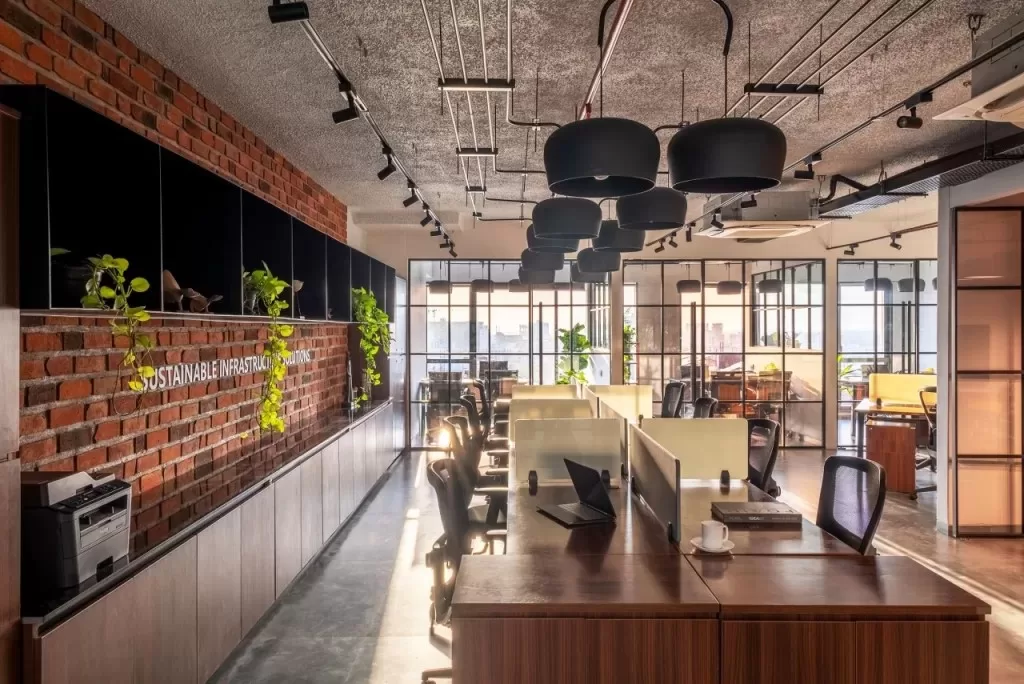
- Modularity: Use furniture, partitions, and fixtures that can be easily reconfigured or expanded as teams grow.
- Future-Proofing: Plan infrastructure (power, data, HVAC) to support additional workstations or new technologies.
- Flexibility: Design spaces that serve multiple purposes—such as meeting rooms that convert to open work areas.
- Efficient Circulation: Ensure pathways and common areas can handle increased foot traffic without congestion.
- Technology Integration: Incorporate adaptable tech solutions for seamless collaboration and remote work.
By embedding these concepts into the initial design, organizations can minimize costly changes later.
Key Steps for Planning a Scalable Office Buildout
When approaching a new office project or renovation, consider these steps to ensure your space can grow with your team:
1. Assess Current and Future Needs
Start by evaluating your current headcount, projected growth, and anticipated changes in work style. Consult with department leaders to understand how teams might shift or expand. This assessment forms the foundation for a scalable plan.
2. Choose Adaptable Layouts
Open-plan offices, benching systems, and movable walls allow for easy reconfiguration as your organization evolves. Avoid permanent structures that limit flexibility. Instead, select layouts that can be adjusted with minimal effort and expense.
3. Invest in Modular Furniture and Fixtures
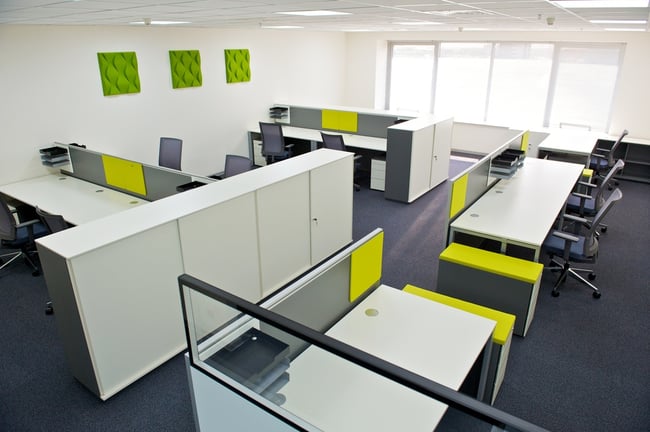
Desks, storage units, and seating that can be rearranged or expanded make it simple to accommodate new hires or changing team structures. Look for products designed for quick assembly and disassembly.
4. Plan for Infrastructure Expansion
Ensure your electrical, data, and HVAC systems can handle additional workstations or equipment. Leave extra capacity in wiring and outlets, and consider raised flooring or accessible ceilings for easier upgrades.
5. Create Multi-Use Spaces
Design meeting rooms, lounges, and breakout areas that can serve multiple functions. For example, a conference room with movable partitions can double as a training space or temporary project hub.
6. Prioritize Employee Wellbeing
As teams grow, maintaining comfort and productivity is crucial. Incorporate natural light, acoustic treatments, and ergonomic furniture. Ensure that amenities like kitchens, restrooms, and storage scale with your workforce.
Common Challenges and How to Overcome Them
Even with careful planning, scaling an office can present obstacles. Here are some typical challenges and solutions:
- Space Constraints: If your building has fixed boundaries, maximize vertical storage, use flexible furniture, and consider hot-desking or shared workstations.
- Budget Limitations: Prioritize investments that offer the most flexibility and long-term value, such as modular systems and future-ready infrastructure.
- Disruption During Expansion: Schedule renovations in phases and use temporary partitions to minimize impact on daily operations.
- Technology Upgrades: Work with IT early to ensure seamless integration of new systems and devices as your team grows.
For a deeper dive into managing construction and contractor relationships, see this comprehensive guide to office build-out contractors.
Integrating Scalability with Company Culture
Scalable office design isn’t just about physical space—it’s also about supporting your organization’s culture and values. As you plan for growth, consider how your workspace can:
- Encourage collaboration and communication
- Reflect your brand identity and mission
- Support diversity in work styles and preferences
- Promote health, wellness, and sustainability
Involving employees in the planning process can lead to creative solutions and greater buy-in as your office evolves.
Best Practices for Long-Term Adaptability
To ensure your office remains flexible and efficient as your company grows, keep these best practices in mind:
- Review space utilization regularly and adjust layouts as needed
- Choose vendors and products known for durability and adaptability
- Document infrastructure and design decisions for future reference
- Stay informed about new trends in workspace design and technology
By making scalability a core part of your office strategy, you’ll be better prepared for whatever the future holds.
FAQ: Office Buildout Scalability and Flexible Design
How can I make my office space more adaptable to team growth?
Focus on modular layouts, movable partitions, and furniture that can be easily reconfigured. Plan infrastructure with extra capacity and design multi-use spaces that can serve different functions as your needs change.
What are the biggest mistakes companies make when planning for scalability?
Common mistakes include overcommitting to fixed layouts, underestimating future technology needs, and failing to involve employees in the planning process. Avoid these pitfalls by prioritizing flexibility and seeking input from all stakeholders.
How does scalable office design impact employee productivity?
Flexible and well-planned workspaces can boost productivity by reducing overcrowding, supporting different work styles, and making it easier for teams to collaborate. Scalable design also minimizes disruptions during expansion, helping employees stay focused.