

Planning a new office space or renovating an existing one is a significant investment for any business. The outcome depends heavily on selecting the right professional for the job. Finding a contractor who understands your vision, timeline, and budget is essential for a smooth and successful office buildout. This guide covers the key steps, considerations, and best practices for making an informed decision when hiring a contractor for your workspace transformation.
Before diving into the selection process, it’s helpful to understand how your project goals and design preferences can impact the buildout. For those interested in achieving a harmonious and functional environment, you might also find value in exploring kitchen remodeling visual balance tips—many principles of spatial design apply to both kitchens and office spaces.

Understanding Your Office Buildout Needs
Every office project is unique, so the first step is to define your requirements clearly. Consider the following factors:
- Scope of Work: Are you looking for a simple refresh, a complete renovation, or a new buildout from shell space?
- Budget: Determine a realistic budget range, factoring in construction, design, permits, and potential contingencies.
- Timeline: Establish your desired completion date and any critical milestones.
- Design Preferences: Consider whether you want an open-plan office, private offices, collaborative areas, or a mix. For more on open-plan layouts, see this comprehensive guide to designing an open-plan office.
- Special Requirements: Think about technology needs, accessibility, sustainability, and branding elements.
Key Criteria for Selecting a Workspace Contractor
Once your needs are defined, focus on evaluating potential contractors. The following criteria are essential for making a confident choice:
- Relevant Experience: Look for contractors with a proven track record in commercial office buildouts similar to your project size and complexity.
- Licensing and Insurance: Verify that the contractor holds all necessary licenses and carries adequate insurance to protect your business.
- Reputation and References: Ask for references from recent clients and check online reviews. Speaking directly with past clients can provide valuable insight into reliability and quality of work.
- Project Management Approach: A strong contractor will have a clear process for communication, scheduling, and problem-solving throughout the project.
- Transparent Bidding: Detailed, itemized proposals help you compare bids and avoid hidden costs.

Evaluating Proposals and Comparing Bids
When you receive proposals, it’s important to go beyond the bottom-line price. Here’s how to assess bids effectively:
- Scope Alignment: Ensure each proposal addresses your full list of requirements and includes all requested features.
- Material and Labor Quality: Review the specified materials, finishes, and subcontractors. Quality can vary widely and impact the final result.
- Timeline Commitments: Look for realistic schedules with clear milestones and completion dates.
- Change Order Policies: Understand how the contractor handles changes, unexpected issues, and additional costs.
- Warranty and Post-Completion Support: Ask about warranties on workmanship and materials, as well as support after the project is finished.
Questions to Ask Potential Contractors
Interviewing candidates is a crucial step in the selection process. Consider asking these questions to gain deeper insight:
- How many office buildouts have you completed in the past two years?
- Can you provide a project portfolio with before-and-after photos?
- What challenges have you encountered in past projects, and how did you resolve them?
- Who will be my main point of contact during the project?
- How do you ensure projects stay on schedule and within budget?
- What is your process for handling permits and inspections?
Ensuring a Smooth Office Renovation Process
After selecting your contractor, setting expectations and maintaining open communication are key to a successful outcome. Here are some best practices:
- Written Agreements: Always use a detailed contract outlining scope, payment terms, timelines, and responsibilities.
- Regular Updates: Schedule frequent check-ins to review progress, address questions, and resolve issues promptly.
- Site Visits: Visit the site regularly to monitor work quality and adherence to plans.
- Document Changes: Keep a record of any changes or approvals made during the project.
- Final Walkthrough: Conduct a thorough inspection before accepting the completed space and making the final payment.
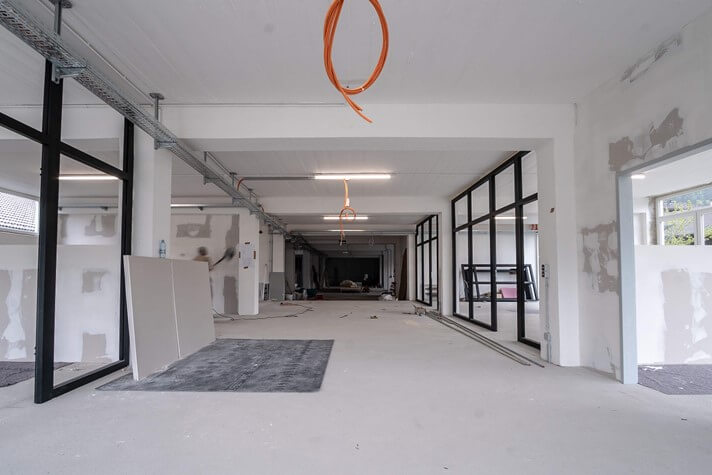
Cost Factors and Budgeting for Office Buildouts
Understanding the cost drivers in office construction helps you plan effectively and avoid surprises. Key factors include:
- Size and Layout: Larger spaces and complex layouts typically require more labor and materials.
- Material Choices: High-end finishes and custom features increase costs, while standard options can help control the budget.
- Mechanical, Electrical, and Plumbing (MEP): Upgrades or relocations of these systems can be significant cost contributors.
- Permitting and Compliance: Local regulations may require specific permits, inspections, or accessibility upgrades.
- Project Timeline: Fast-tracked projects may incur higher labor costs or overtime charges.
To get the most value, work closely with your contractor to identify areas where you can save without sacrificing quality or functionality.
Integrating Design and Construction for Best Results
Collaboration between your contractor and design professionals is crucial for a cohesive and efficient project. Some contractors offer design-build services, which streamline communication and reduce the risk of misalignment between design intent and construction execution.
If you are considering a design-build approach, ensure your contractor has experience managing both design and construction phases. This can help prevent delays, reduce costs, and result in a workspace that truly reflects your brand and operational needs.
Frequently Asked Questions
What is the typical timeline for an office buildout?
The duration depends on the size and complexity of the project. A basic refresh may take a few weeks, while a full buildout can range from two to six months. Factors such as permitting, material lead times, and unforeseen site conditions can impact the schedule.
How can I verify a contractor’s credentials and reputation?
Always request copies of licenses and insurance certificates. Check online reviews, ask for references, and contact previous clients to learn about their experiences. Reviewing a contractor’s portfolio can also provide insight into their capabilities.
What should be included in a contractor’s proposal?
A comprehensive proposal should outline the scope of work, materials, labor, timeline, payment schedule, and warranty terms. It should also specify how changes and unforeseen issues will be handled during the project.
Conclusion
Selecting the right professional for your office renovation or buildout is a critical decision that affects your business for years to come. By carefully defining your needs, evaluating candidates on relevant experience and transparency, and maintaining open communication, you can set your project up for success. Remember to leverage available resources, such as visual balance tips and expert guides on office layouts, to create a workspace that supports productivity and growth.


