
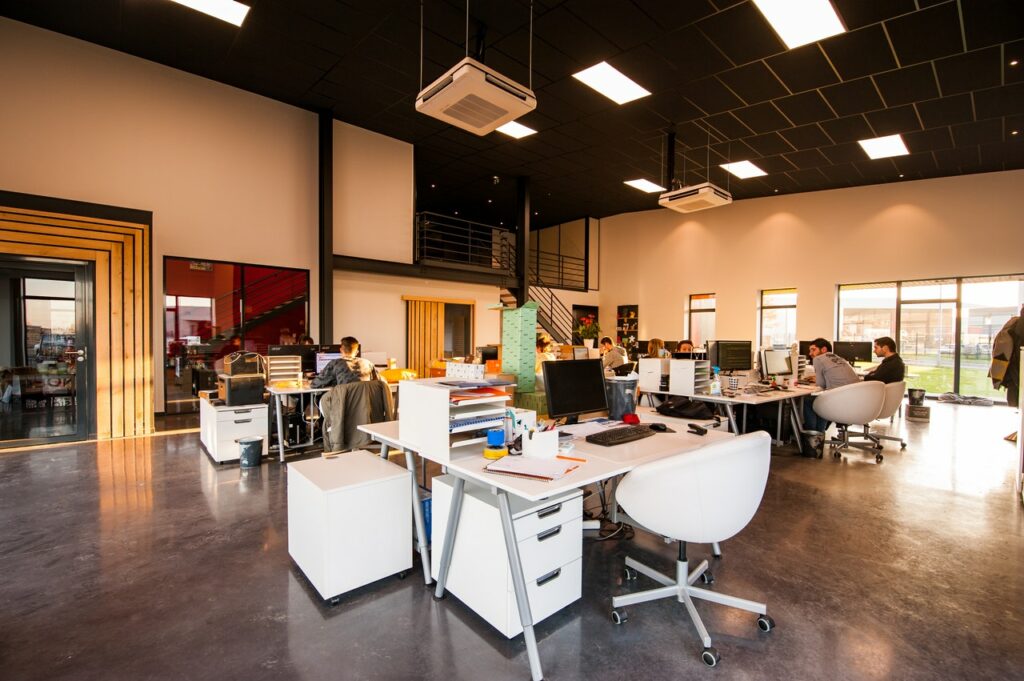

Creating a functional and attractive workspace is a significant investment for any business. However, balancing budget constraints with the need for a high-quality office environment can be challenging. With the right office buildout cost saving tips, it’s possible to achieve an impressive result without overspending or compromising on essential features. This article explores practical strategies to help you optimize your office buildout, control expenses, and still deliver a space that supports productivity and employee satisfaction.
Many of the principles that apply to optimizing other spaces, such as those found in kitchen remodeling space optimization tips, can also be adapted to office environments. By planning carefully, making informed choices, and working with the right partners, you can make the most of your budget while ensuring your new office meets your company’s needs.
Understanding the Main Drivers of Office Buildout Expenses
Before diving into specific cost-saving tips for office buildouts, it’s important to understand where most of the money goes. The largest expenses typically include:
- Construction and labor: Demolition, framing, drywall, electrical, plumbing, and HVAC work.
- Materials and finishes: Flooring, ceilings, paint, lighting, and fixtures.
- Furniture and equipment: Desks, chairs, storage, and technology infrastructure.
- Permits and professional fees: Architectural, engineering, and permit costs.
By identifying which elements are most expensive, you can focus your efforts on areas with the greatest potential for savings.
Smart Planning: The Foundation of Every Cost-Efficient Buildout
One of the most effective office buildout cost saving tips is to invest time in thorough planning. Rushed decisions and last-minute changes are among the biggest drivers of budget overruns. Here’s how to plan strategically:
- Define your needs clearly: List must-have features versus nice-to-haves. Prioritize functionality and flexibility.
- Engage stakeholders early: Involve employees, IT, and facilities teams to avoid costly oversights.
- Set a realistic budget: Include a contingency fund (typically 10-15%) for unexpected expenses.
- Work with experienced professionals: Architects and contractors with a track record in office projects can help you avoid common pitfalls.
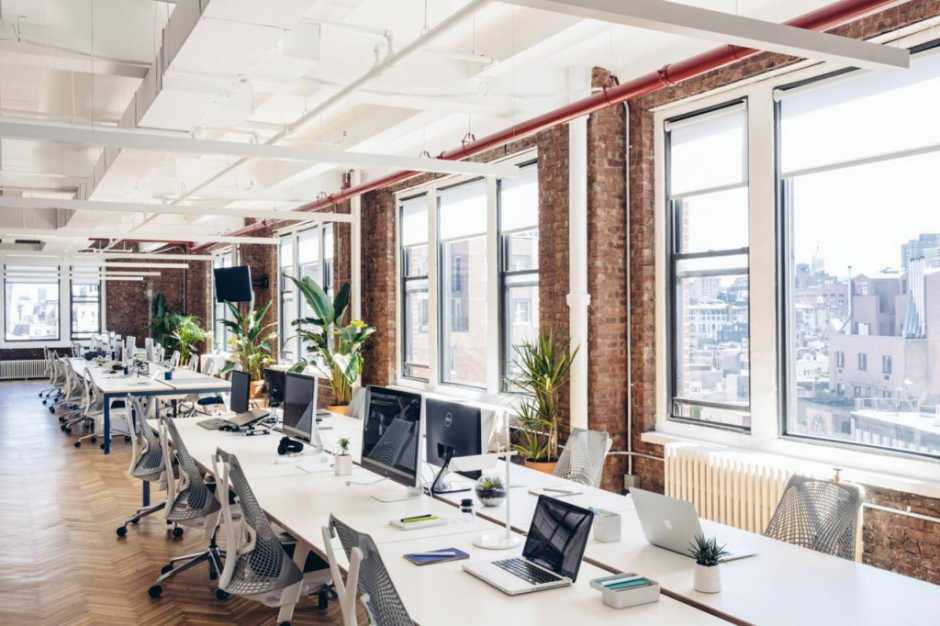
Early planning also allows you to explore options such as open-plan layouts, which can be more cost-effective than traditional offices. For more on this, see this guide to designing an open-plan office.
Choosing Materials and Finishes That Balance Cost and Durability
Material selection is a key area where you can save money without sacrificing quality. Consider these approaches:
- Opt for mid-range finishes: High-end materials can quickly inflate costs, but many mid-tier options offer durability and a professional look.
- Use modular systems: Modular walls and furniture can be more affordable and adaptable for future changes.
- Repurpose existing elements: If your space already has usable flooring, ceilings, or fixtures, keep and refresh them instead of replacing.
- Buy in bulk: Purchasing materials and furnishings in larger quantities can unlock discounts.
Remember, the goal is to select products that will stand up to daily use and minimize maintenance costs over time.

Optimizing Space for Efficiency and Savings
Efficient space planning is another powerful way to reduce costs. Here are some practical strategies:
- Maximize open areas: Open workspaces require fewer walls and doors, reducing construction and material expenses.
- Flexible meeting rooms: Movable partitions or multi-purpose rooms can serve different functions without extra buildout.
- Shared amenities: Centralized kitchens, lounges, and storage minimize duplication and save square footage.
- Smart storage solutions: Built-in or vertical storage can free up valuable floor space.
These approaches not only help control costs but also create a more collaborative and adaptable work environment.
Leveraging Technology for Long-Term Savings
While some technology investments may have upfront costs, they can deliver significant savings over the life of your office:
- LED lighting and smart controls: Reduce energy bills and maintenance needs.
- Efficient HVAC systems: Modern systems can lower utility costs and improve comfort.
- Cloud-based IT infrastructure: Minimizes the need for expensive server rooms and cabling.
- Access control and security: Scalable systems can be expanded as your business grows.
Choosing the right technology solutions can help future-proof your office and keep operating costs in check.
Partnering with the Right Contractors and Vendors
Working with experienced and reputable contractors is essential for keeping your project on budget. Here’s how to get the best value:
- Solicit multiple bids: Compare quotes from several contractors to ensure competitive pricing.
- Check references and credentials: Quality workmanship reduces the risk of costly rework.
- Negotiate terms: Ask about discounts for bundled services or repeat business.
- Review contracts carefully: Make sure all costs, timelines, and deliverables are clearly defined.
Strong vendor relationships can also help you access better pricing on materials and furnishings.
Phasing Your Project for Maximum Flexibility
If budget is a major concern, consider a phased approach to your office buildout. This means completing the most critical areas first and finishing others as funds become available. Benefits include:
- Spreading costs over time: Reduces the immediate financial burden.
- Adapting to changing needs: Allows you to adjust plans based on business growth or evolving requirements.
- Learning from phase one: Apply lessons learned to future phases for even greater efficiency.
Phasing is especially useful for rapidly growing companies or those moving into larger spaces.
Common Mistakes to Avoid in Budget-Friendly Office Buildouts
Even with the best intentions, certain missteps can lead to unnecessary expenses. Watch out for these pitfalls:
- Underestimating soft costs: Don’t overlook permits, design fees, and project management expenses.
- Ignoring future needs: Plan for growth to avoid expensive modifications later.
- Cutting corners on quality: Cheap materials or labor can result in higher long-term costs.
- Poor communication: Misunderstandings between stakeholders can cause delays and budget overruns.
Staying organized and proactive is key to keeping your project on track.
FAQ: Office Buildout Cost-Saving Strategies
What are the most effective ways to reduce office buildout expenses?
Focus on thorough planning, prioritize essential features, use cost-effective materials, and consider open-plan layouts. Engaging experienced professionals and soliciting multiple bids from contractors can also help you find savings without lowering standards.
How can I ensure quality while sticking to a tight budget?
Choose durable mid-range materials, repurpose existing elements when possible, and invest in areas that impact daily use, such as lighting and HVAC. Avoid the temptation to use the cheapest options for critical components, as this can lead to higher costs over time.
Is it better to complete an office buildout in phases?
Phasing your project can be a smart way to manage cash flow and adapt to changing business needs. It allows you to prioritize the most important spaces first and make adjustments based on feedback and future growth.

