Making the move to off-grid living with family is a significant lifestyle change that brings both challenges and rewards. Many families are drawn to the idea of greater self-sufficiency, a closer connection to nature, and the opportunity to teach children practical life skills. However, transitioning to a homestead away from modern conveniences requires careful planning, adaptability, and a willingness to learn new routines.
Whether you’re considering a rural homestead or a modern setup with smart solutions, understanding the realities of daily life off the grid is essential. From managing resources to building community, this guide covers what families can expect and how to prepare for a successful experience. For a deeper look at the realities, you might find the rural off-grid lifestyle overview helpful as well.

Daily Routines in a Family Off-Grid Home
Life without municipal utilities means that daily routines revolve around resource management and teamwork. Each family member often takes on specific roles, from tending the garden to maintaining energy systems. Children can participate in age-appropriate chores, learning responsibility and practical skills along the way.
Mornings might start with checking water levels, feeding livestock, or preparing meals from scratch. Evenings often involve shared activities like reading, games, or simply enjoying the quiet of nature. For ideas on structuring your day, explore these off-grid homestead routines that boost efficiency and family harmony.
Essential Skills for Off-Grid Families
Thriving in a remote setting requires a broad skill set. Some of the most valuable abilities for families include:
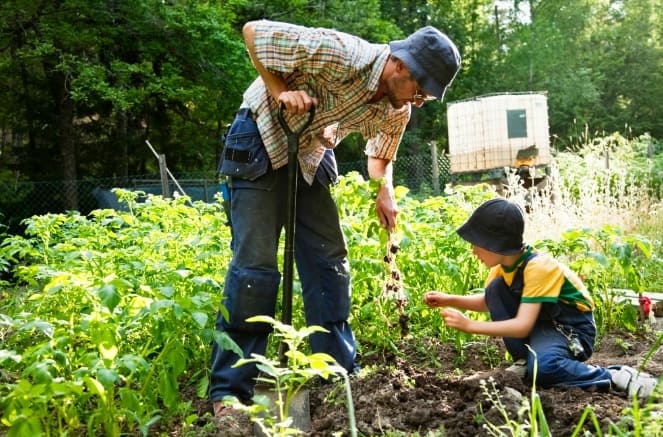
- Gardening and food preservation: Growing your own produce and storing it for winter months is a cornerstone of self-reliance.
- Basic carpentry and repairs: Maintaining structures, fences, and tools is a constant need.
- Water and energy management: Understanding how to collect, filter, and conserve water, as well as operate solar or wind systems, is vital.
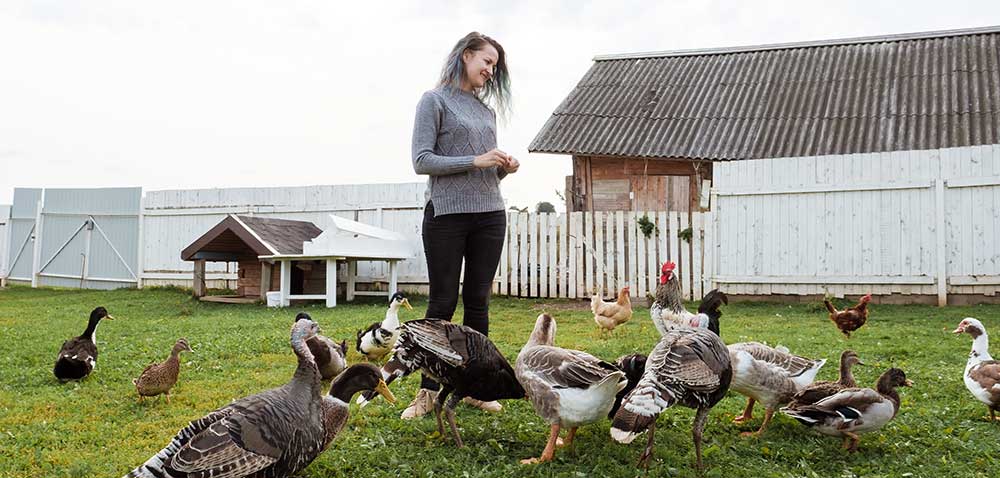
- Animal care: If you keep chickens, goats, or other livestock, daily attention and basic veterinary knowledge are necessary.
- First aid and emergency preparedness: With limited access to immediate help, families must be ready for minor injuries or unexpected events.
Many of these skills can be learned gradually, and involving children in the process helps build confidence and resilience.
Building Resilience and Adaptability Together
One of the most rewarding aspects of this lifestyle is the way it brings families together. Facing challenges as a unit—whether it’s a tough winter, a failed crop, or a power outage—teaches problem-solving and resilience. Open communication and flexibility are key, especially when things don’t go as planned.
Many families find that, over time, they develop a strong sense of teamwork and mutual support. Children often become more independent and resourceful, and adults gain confidence in their ability to handle unexpected situations. For inspiration, you can read about real off-grid living success stories from others who have made the leap.
Managing Resources: Water, Power, and Food
Resource management is central to off-grid living with family. Every drop of water, watt of electricity, and bite of food counts. Here’s what families can expect:
- Water: Most homesteads rely on wells, rainwater catchment, or nearby streams. Filtration and conservation are daily tasks, and families often set up systems to monitor usage and quality.
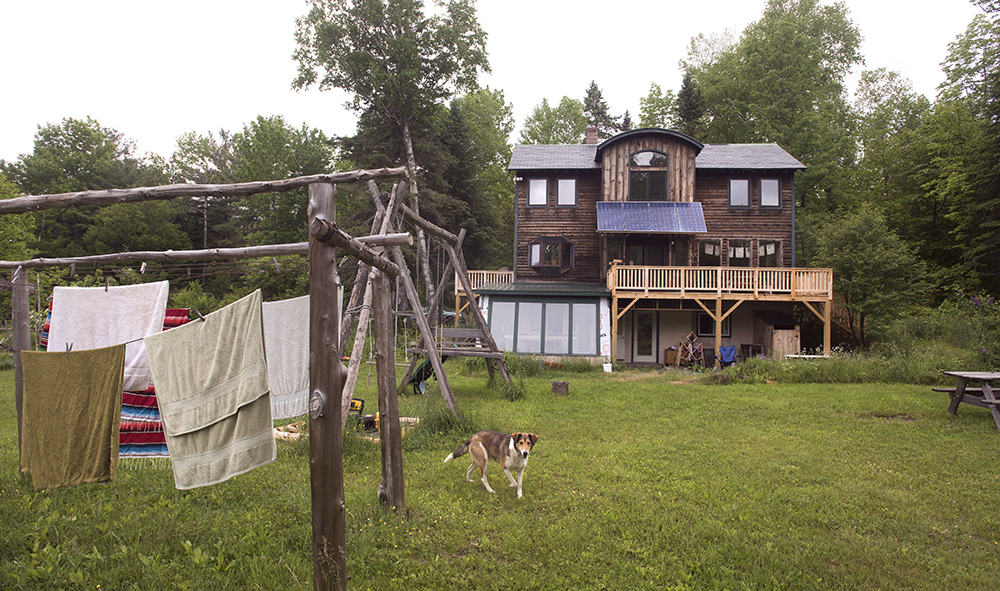
- Power: Solar panels, wind turbines, or generators provide electricity. Energy use is carefully tracked, and non-essential appliances are often avoided.
- Food: Gardens, greenhouses, and livestock supply much of the family’s diet. Preserving food through canning, drying, or fermenting is a regular activity, especially before winter.
Investing in efficient systems and learning best practices can make resource management smoother and less stressful.
Education and Social Life for Children
Raising kids in an off-grid environment often means taking a more active role in their education. Many families choose homeschooling or online learning, supplemented by hands-on projects and outdoor exploration. Children learn science, math, and problem-solving through real-world experiences like gardening, animal care, and building projects.
Social opportunities may be different from those in urban areas, but they’re still important. Families often connect with neighbors, join local groups, or participate in community events. Technology can also help children stay in touch with friends and extended family.
For more on common misconceptions about this lifestyle, see these off-grid homesteading myths debunked.
Modern Tools and Smart Solutions
While the image of off-grid life may seem old-fashioned, many families use modern technology to make daily living easier. Solar-powered gadgets, energy-efficient appliances, and smart home systems can help reduce manual labor and improve comfort.
For example, automatic chicken coop doors, solar water heaters, and remote monitoring systems for batteries and water tanks are increasingly popular. If you’re interested in integrating technology, check out this guide to modern off-grid homesteading with smart solutions.
For additional tips on setting up your own homestead, see this comprehensive guide to starting an off-grid homestead.
Frequently Asked Questions
How do families handle emergencies when living remotely?
Preparation is key. Most families keep a well-stocked first aid kit, emergency food and water supplies, and backup power sources. Learning basic first aid and having a plan for medical emergencies or natural disasters is essential.
Is it possible to maintain a work-life balance off the grid?
Yes, but it requires clear boundaries and time management. Many families set specific work hours for homestead tasks and make time for relaxation, hobbies, and social activities. Technology can also support remote work in many locations.
What are the biggest challenges of raising children in an off-grid setting?
Access to educational resources, healthcare, and social opportunities can be limited. However, many families find that children benefit from hands-on learning, increased independence, and a strong sense of community. Planning and creativity help overcome most obstacles.